When “Ship Fast” Meets “Secure by Design” in AI Apps
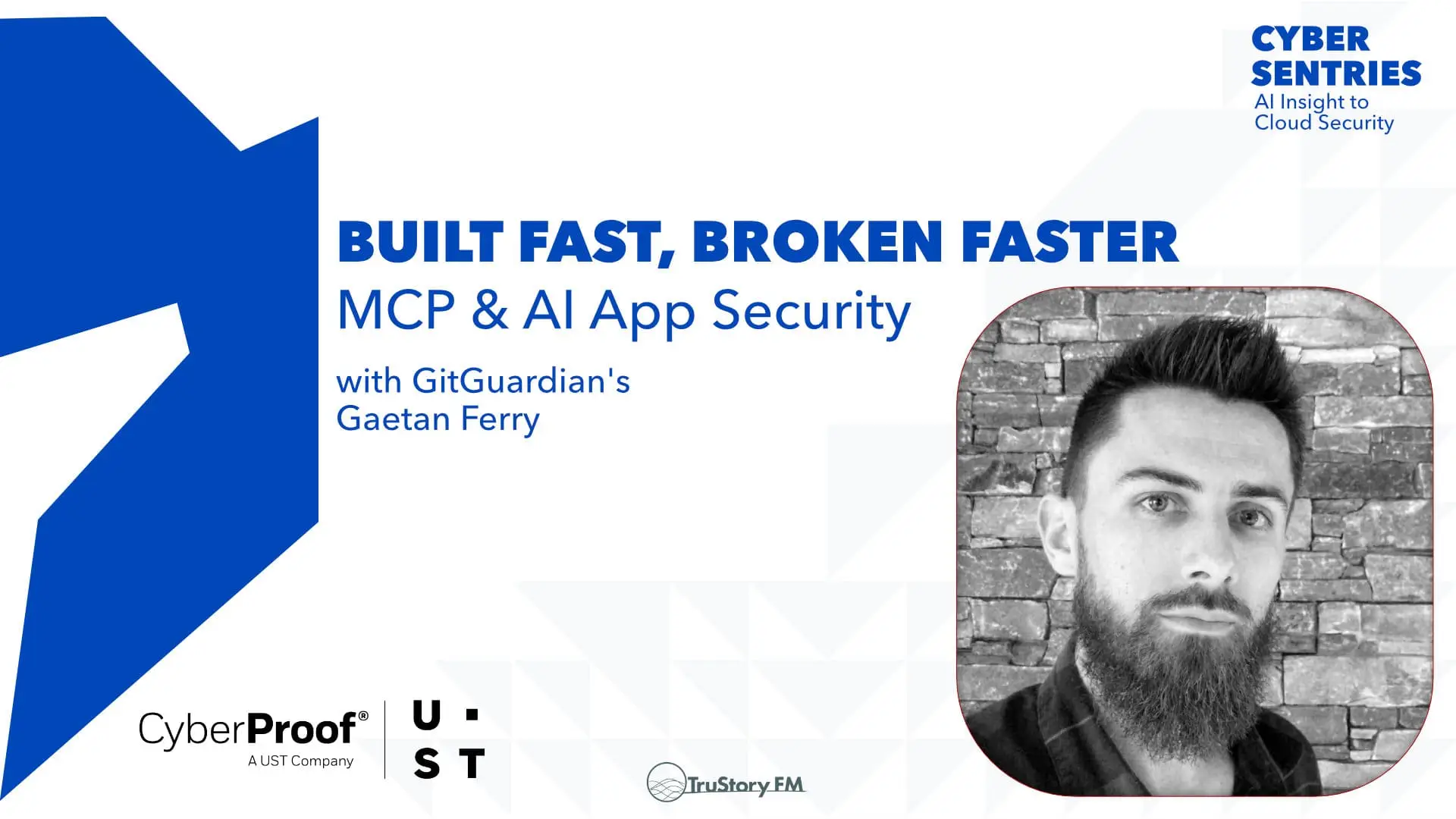
AI-driven development is moving at breakneck speed—and attackers are taking advantage of the shortcuts. In this episode of Cyber Sentries: AI Insights for Cloud Security, host John Richards sits down with Gaetan Ferry, security researcher at GitGuardian, to unpack how modern AI tooling, MCP servers, and cloud platforms are reshaping the security landscape. The core problem: the same agentic workflows that boost productivity can also multiply identities, credentials, and blast radius if something goes wrong.
After John and Gaetan set the stage, Gaetan walks through a real-world-style vulnerability chain involving smithery.ai, an MCP server registry/hosting platform. It’s a practical look at how “classic” web issues can still show up in brand-new AI ecosystems—and how one small weakness can cascade into bigger supply chain risk. Along the way, they explore why secret sprawl is accelerating, what attackers are hunting for, and why observability is becoming as essential for identities and tokens as it is for infrastructure.
Why MCP Servers, OAuth, and Secret Sprawl Are Colliding
A big theme is the tension between usability and security: teams want agents that can “do everything,” which often means broad permissions and long-lived credentials. Gaetan explains why adopting OAuth is directionally better than static API keys, but still not a silver bullet in a world where agents need delegated access and tokens inevitably “live somewhere.” John pushes on what builders can do now—especially when new frameworks (and new hype cycles) keep resetting hard-won security practices.
The conversation lands on pragmatic guidance: reduce blast radius where you can, inventory identities and secrets, and invest in observability so you can respond fast when—not if—credentials leak. Note: This episode discusses breach scenarios and exploitation chains—be thoughtful about sharing internal security details and incident response specifics.
Questions We Answer in This Episode
- How can a simple web flaw turn into an AI supply chain attack through MCP server hosting?
- Why doesn’t OAuth automatically “solve” agent security and credential risk?
- What does “limiting blast radius” look like when agents need broad permissions to be useful?
- How can observability help you detect and respond to secrets sprawl across AI tools?
Key Takeaways
- Treat MCP servers and agent integrations like critical supply chain dependencies—because they are.
- Prefer short-lived, scoped credentials (OAuth when possible), but plan for token theft scenarios anyway.
- Reduce blast radius with least privilege, separation of duties, and segmented agent access.
- Build identity and secret observability so you can triage and remediate leaks quickly.
The Bottom Line for AI Security Teams in 2026
If you’re experimenting with MCP servers or rolling out agentic workflows, this episode is a timely reminder that fundamentals still win. John and Gaetan make the case that “moving fast” doesn’t have to mean accepting unlimited credential risk—you can ship quickly while still tightening scopes, tracking identities, and watching where secrets spread. Tune in for the real-world examples and the practical mindset shift that helps teams stay productive without becoming the next supply chain headline.
Links & Notes