A Comedy of Intelligence: Breaking Down Born Yesterday
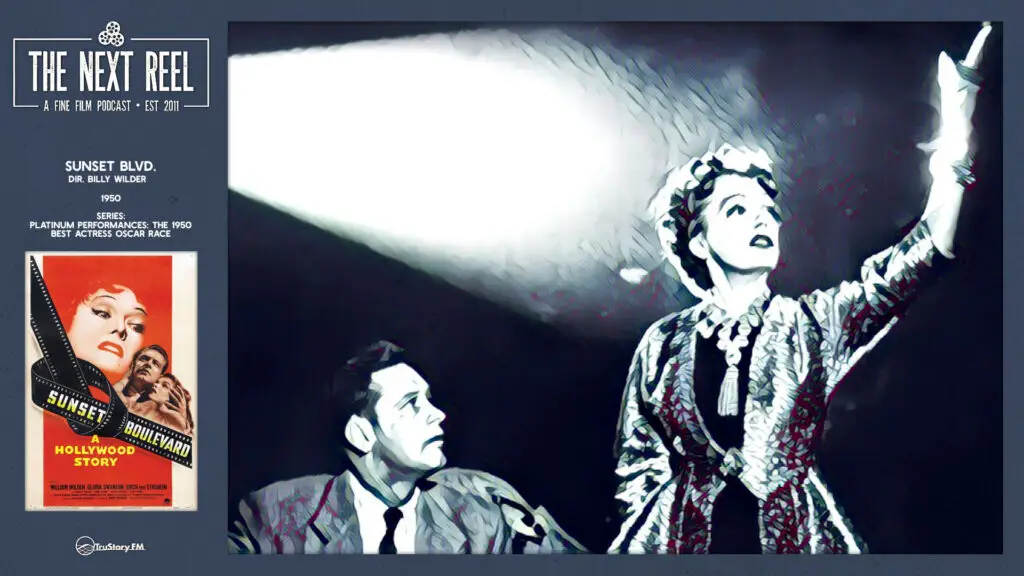
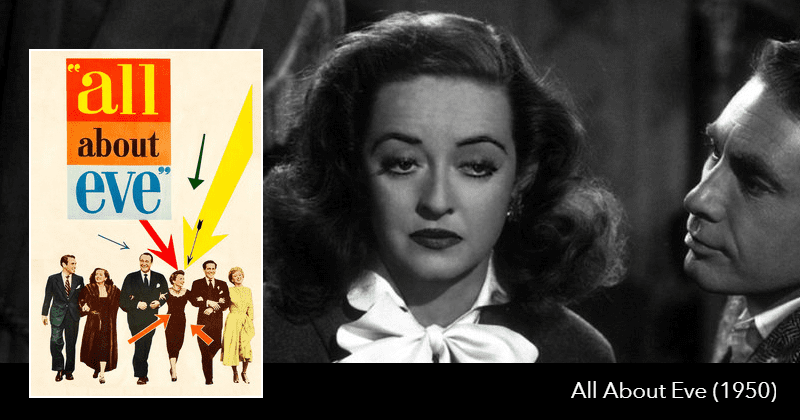
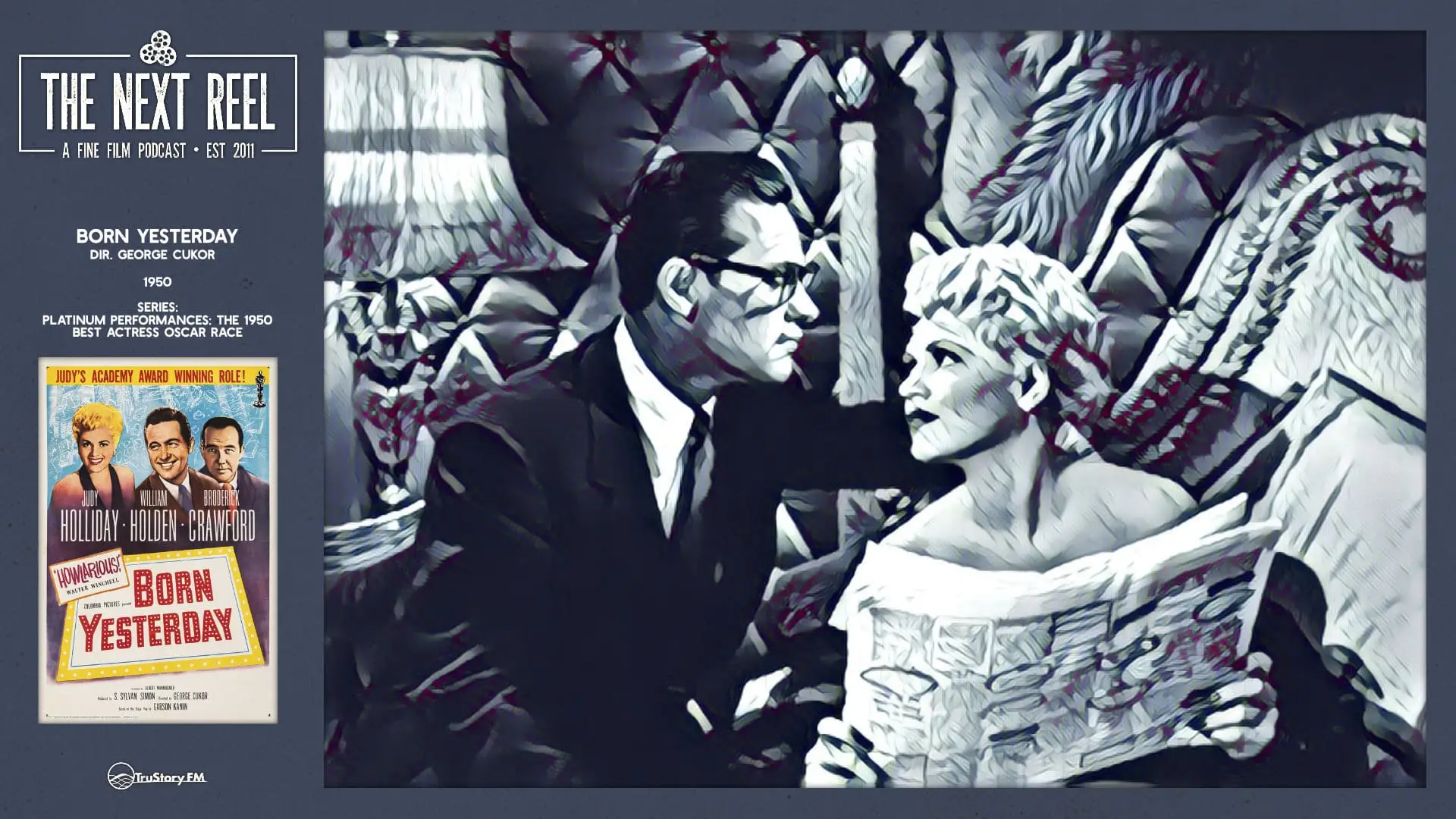
George Cukor’s 1950 comedy Born Yesterday stars Judy Holliday as Billie Dawn, a former showgirl who finds herself caught between her corrupt businessman boyfriend Harry Brock (Broderick Crawford) and Paul Verrall (William Holden), the journalist hired to educate her. Based on Garson Kanin’s hit Broadway play, the film earned Holliday an Academy Award for Best Actress, beating out Gloria Swanson in Sunset Boulevard, Bette Davis in All About Eve, and other notable performances that year. Join us—Pete Wright and Andy Nelson—as we kick off our Platinum Performances: The 1950 Best Actress Oscar Race series with a conversation about Born Yesterday.
A Surprising Character Evolution
Both hosts initially approached Billie Dawn’s character with trepidation, expecting a one-dimensional “dumb blonde” performance. However, they were quickly won over by Holliday’s nuanced portrayal, which combines physical comedy with emotional depth. Andy particularly praised her comedic timing, while Pete noted how she transcends the script’s limitations to create a fully realized character.
Political Relevance Then and Now
The film’s exploration of political corruption through Harry’s attempts to influence a congressman resonated strongly with both hosts. While Pete initially viewed these elements as “fossilized” 1950s commentary, Andy argued that the themes of lobbying and political manipulation remain remarkably relevant today. They discussed how the film’s civics lessons, though potentially didactic, serve an important narrative purpose.
Key Discussion Points:
- Judy Holliday’s masterful performance balancing comedy and character development
- The film’s examination of education as a path to empowerment
- William Holden’s understated approach to his role as Paul… perhaps too understated?
- Broderick Crawford’s portrayal of Harry as an archetypal bully
- The movie’s progressive stance on gender politics for 1950
- George Cukor’s innovative rehearsal technique using live studio audiences
- The Hayes Code’s influence on the film’s content and presentation
Legacy and Impact
We explored how Born Yesterday occupies a unique place in American cinema, combining elements of screwball comedy, romantic comedy, political satire, and social commentary. They noted its influence on later films dealing with similar themes of education and empowerment, while acknowledging its limitations as a product of its time. We have a great time talking about it, so check it out then tune in. The Next Reel—when the movie ends, our conversation begins!
🎬 Watch & Discover
- 🎥 See Our Full Conversation on YouTube
- 🍿 Watch the Film: Apple TV | Amazon | Letterboxd
- 📽️ Original Theatrical Trailer
- 📚 Adapted from Born Yesterday by Garson Kanin