
The French Lieutenant’s Woman
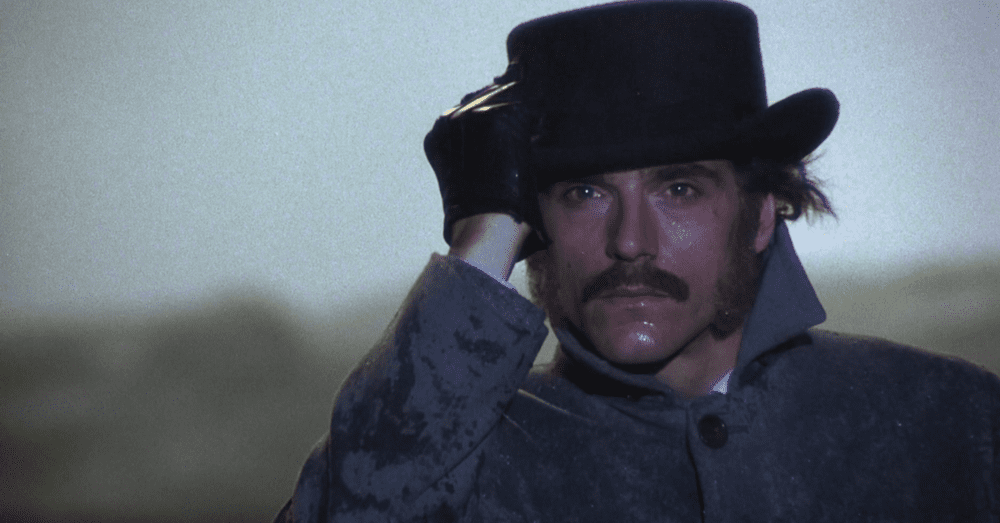
Meryl Streep received her first nomination for Best Actress in a film that one would think had been lost in time if not for the recent Criterion Collection release — Karel Reisz’s 1981 film “The French Lieutenant’s Woman.” She lost to Katherine Hepburn in “On Golden Pond,” which makes sense, but Streep’s performance is still a fascinating one. Join us — Pete Wright and Andy Nelson — as we continue our Meryl Streep series with Reisz’s film.
Kramer vs. Kramer
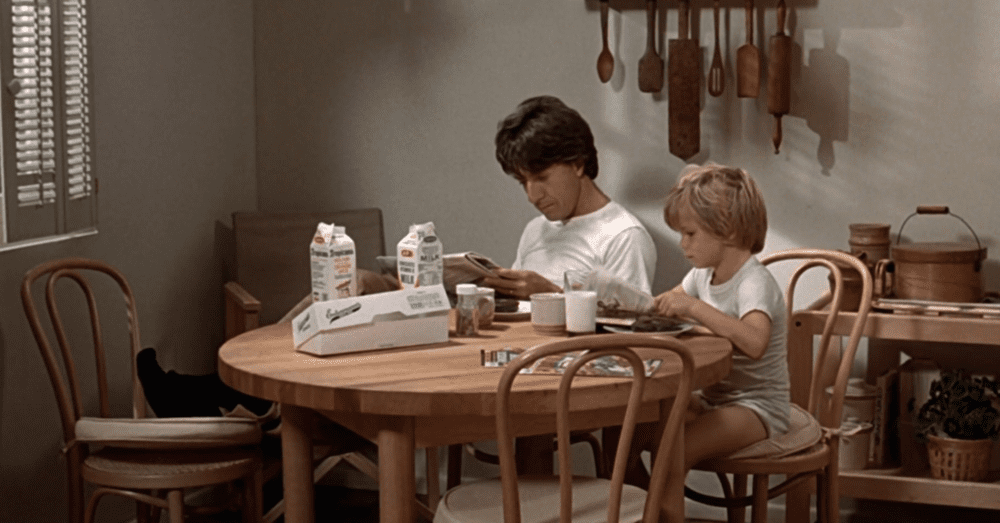
Meryl Streep won the first of her three Oscars for her supporting role in Robert Benton’s 1979 film “Kramer vs. Kramer.” And when you watch “Kramer vs. Kramer,” it’s hard not to wonder why she won for supporting actress rather than actress. Sure, her screen time is much less than Dustin Hoffman, her co-star, but her role has an equal importance in the film. Join us — Pete Wright and Andy Nelson — as we continue our Meryl Streep series with Benton’s film.
Writer Ken Levine on Guilty Pleasures, Volunteers, and TV Legacy • A Very Special Next Reel Interview

We are thrilled — and a touch embarrassed — to have the one and only writer Ken Levine with us on The Next Reel, the man behind Andy’s favorite guilty pleasure, Volunteers.
The Deer Hunter
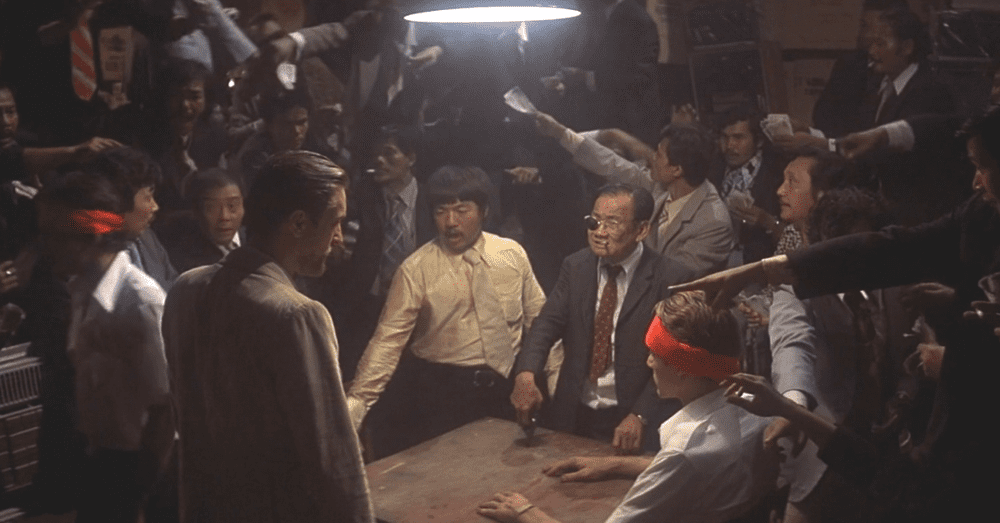
Michael Cimino’s 1978 film “The Deer Hunter” is definitely a divisive film, one about which a LOT of people have found plenty of things to say and argue about. Aside from all of that, it’s also the film for which Meryl Streep received her first Oscar nomination. Join us — Pete Wright and Andy Nelson — as we begin our Meryl Streep series, specifically looking at films for which Streep received an Oscar nomination, with Cimino’s epic Vietnam War film.
Force Majeure

It’s time for another Listener’s Choice episode, this time with our friends Per Johansson and Gustav Larsed from the Filmpodden podcast in Sweden. They selected something from the home country — Ruben Östlund’s 2014 film “Force Majeure.” Join us — Pete Wright and Andy Nelson — as we take on the icy slopes to discuss this avalanche of emotion.
Under the Cherry Moon
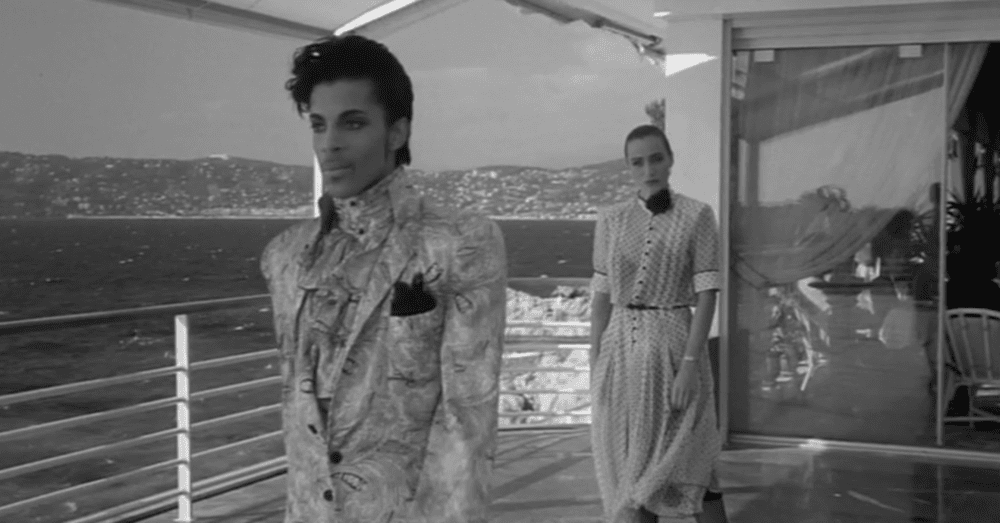
Prince has always been a flamboyant and eclectic musician, and with the album and film “Purple Rain,” he found a new art form he enjoyed. And one he won an Oscar for — Best Original Song Score. With his next film, he had conflicts with the director so took over and directed it himself. Join us — Pete Wright and Andy Nelson — as we wrap up this year’s short guilty pleasure with Pete’s pick — Prince’s 1986 film “Under the Cherry Moon.”
Volunteers
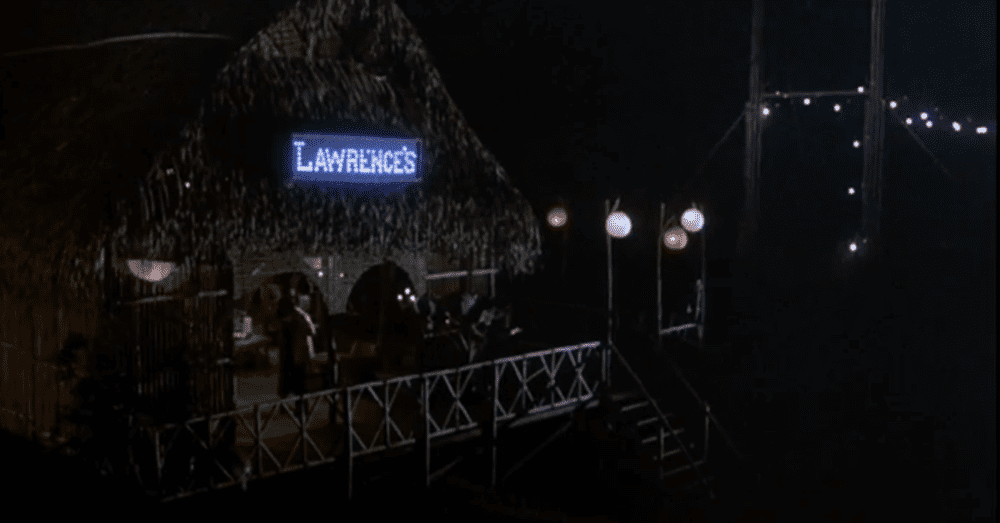
It’s time for some guilty pleasures! Yes, the two of us — Pete Wright and Andy Nelson — dig up some films that we love but are generally not considered the greatest of movies. This week, it’s Andy’s turn with his guilty pleasure — Nicholas Meyer’s 1985 Peace Corps comedy “Volunteers.”
Only Angels Have Wings
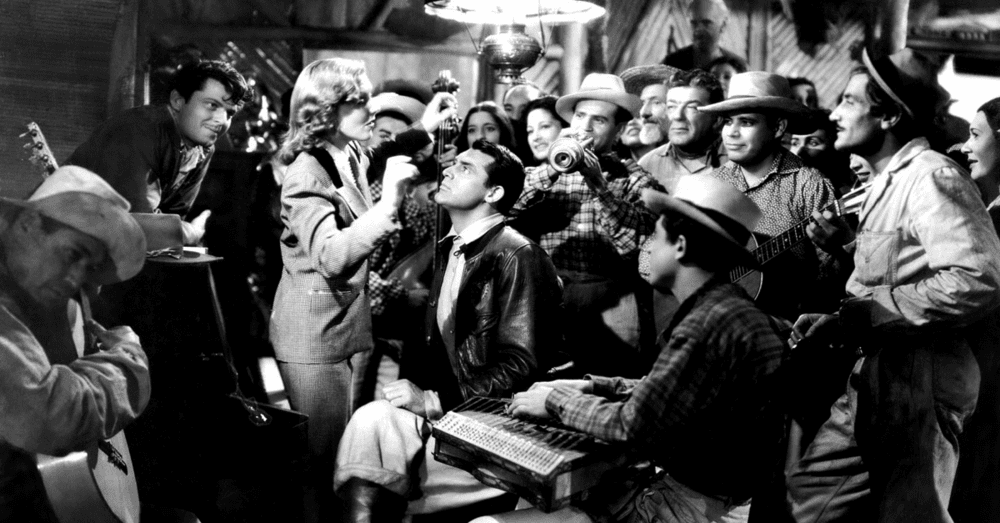
Howard Hawks and Cary Grant had already given the world the hilarious “Bringing Up Baby” in 1938, and lucky for us, they liked working together. They’d work on four more films together, including their very next one — “Only Angels Have Wings.” Join us — Pete Wright and Andy Nelson — as we finish our series on films from 1939 with Hawks’ and Grant’s second collaboration.
The Roaring Twenties
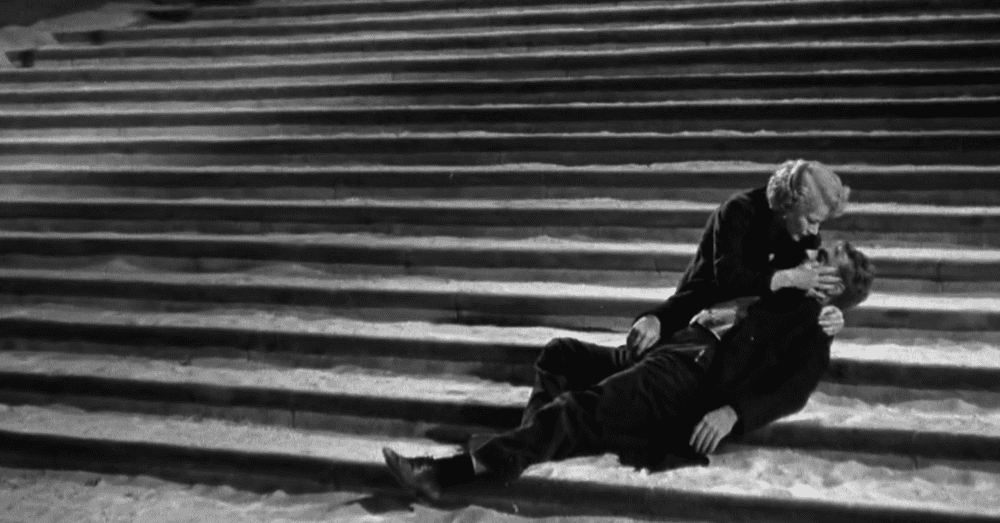
James Cagney was getting tired of making gangster films for Warner Bros. by the time he starred in Raoul Walsh’s 1939 film “The Roaring Twenties.” After all, he really loved comedy and the song-and-dance too. But he clearly was great as a gangster. Look at him in “The Public Enemy” or “White Heat.” He carried a dark energy that really came across in those films as well as this one. Join us — Pete Wright and Andy Nelson — as we continue our series on films from 1939 with Walsh’s “The Roaring Twenties.”
Mr. Smith Goes to Washington
It’s rare to find a film from 75 years ago that feels relevant still in today’s world, but Frank Capra’s 1939 “Mr. Smith Goes to Washington” is one of those films. Corruption in the Senate? Check. Corporate interests secretly working their own machinations behind the scenes to get their political puppets to do their bidding? Check. Cynical office staff who are only interested in making a buck? Check. Sad to say that the only thing that doesn’t feel modern is that a politician like James Stewart’s titular character could actually exist. Or at least survive in today’s political world. Join us — Pete Wright and Andy Nelson — as we continue with our great films from 1939 series with Capra’s fantastic film “Mr. Smith Goes to Washington.”