
Gone With The Wind
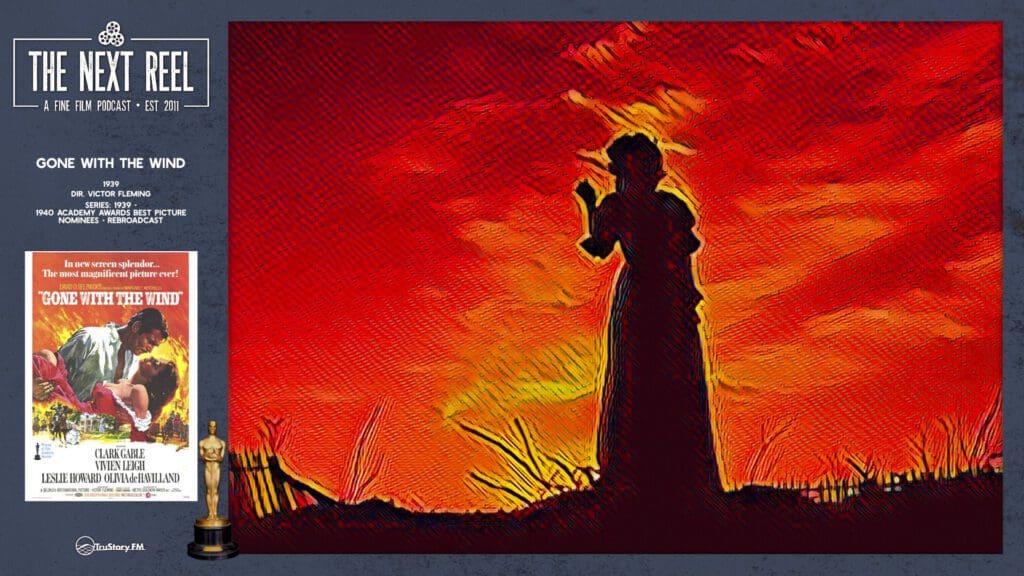
Considering the racially-charged climate of the US right now, it’s oddly perfect timing that we’re starting our 1939 series with “Gone With The Wind,” a film as technically brilliant to look at as it is hard to watch because of it’s portrayal of slavery and the ‘lost cause’ Southern view of the Civil War. It certainly gives us a lot to talk about in this episode! Join us — Pete Wright and Andy Nelson — as we dive into Victor Fleming’s “Gone With The Wind.”
Seconds
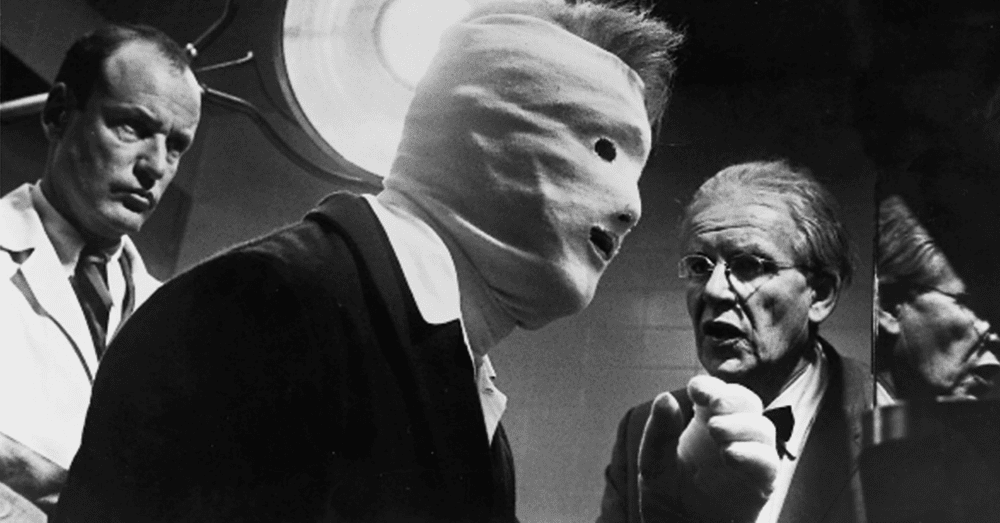
James Wong Howe shot color films very well, but it was his black-and-white cinematography that he was really known for. He won two Oscars for his B&W cinematography and played with many techniques that influenced filmmakers and cinematographers long after he was gone. The camera work on John Frankenheimer’s 1966 film “Seconds” is no exception. It fits the tone of the film perfectly, creating a sense of unease and discomfort quite often. Join us — Pete Wright and Andy Nelson — as we finish our B&W cinematography of James Wong Howe with Frankenheimer’s “Seconds.”
Sweet Smell of Success
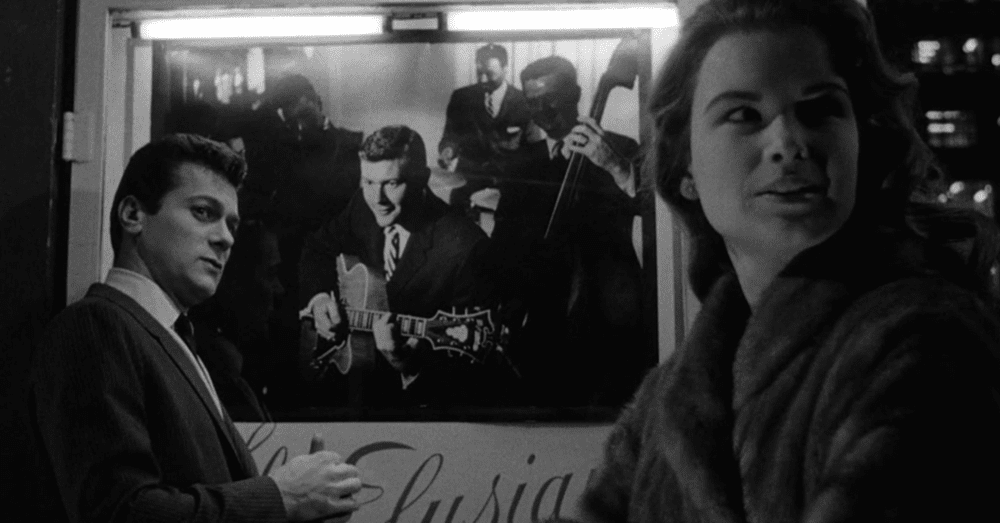
James Wong Howe and director Alexander Mackendrick knew right away that to tell this story properly, they really needed to film on the streets of New York City at night. So they did, and in the process created a stunningly gorgeous and dark film noir that feels like it truly lives in the city, not on some Hollywood soundstage. Join us — Pete Wright and Andy Nelson — as we continue our Black-and-White Cinematography of James Wong Howe series with Mackendrick’s wonderful 1956 film, “Sweet Smell of Success.”
Kings Row
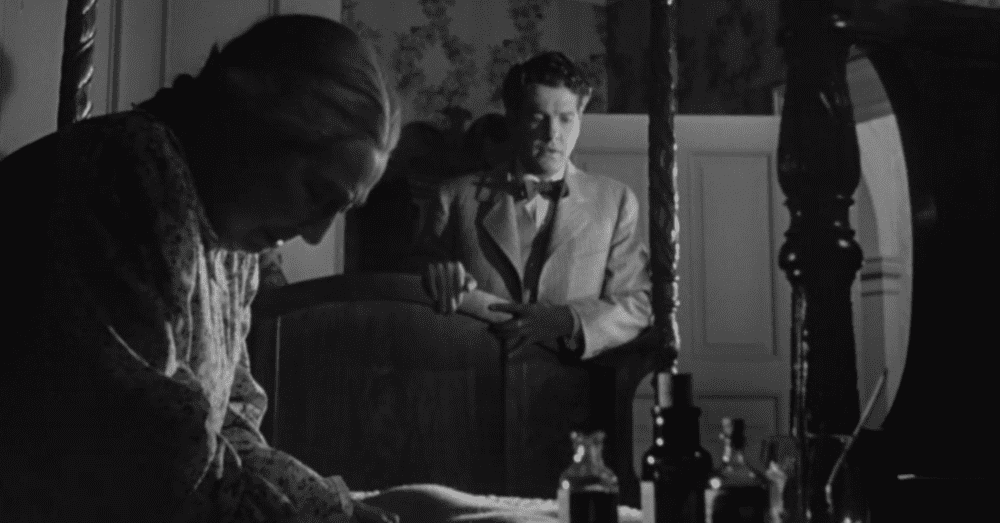
“Kings Row” was adapted from a much racier novel from 1940 and had to be sanitized quite a bit because of the Hays Code. They had to leave some pretty big elements out — homosexuality, mercy killings, incest, nymphomania — but even with that, the film still is very dark because of the issues it does deal with. Join us — Pete Wright and Andy Nelson — as we continue our Black and White Cinematography of James Wong Howe series with Sam Wood’s 1942 film “Kings Row.”
The Thin Man
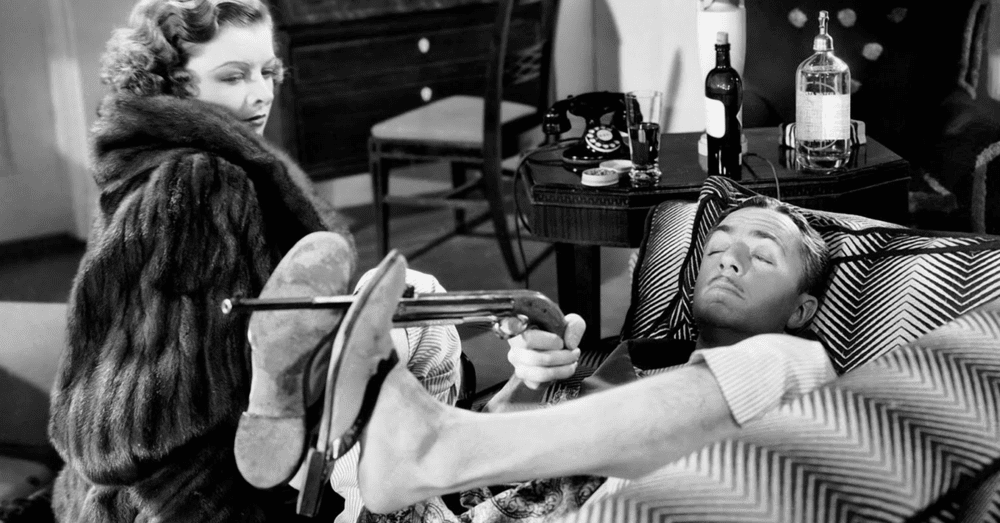
James Wong Howe is often cited as one of the most influential cinematographers there have been. He worked in film from the early days of the silents to the mid-70s when he received his last Oscar nomination for his color work on “Funny Lady.” But his black-and-white cinematography is what he’s primarily known for. Join us — Pete Wright and Andy Nelson — as we start up our Black and White Cinematography of James Wong Howe series with W.S. Van Dyke’s 1934 film “The Thin Man.”
Mad Max: Fury Road
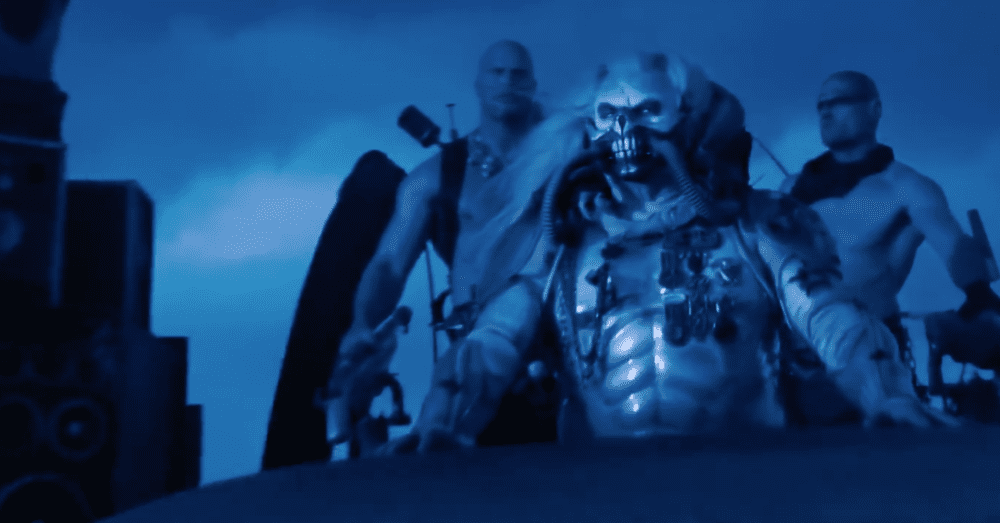
In case you haven’t heard, everybody seems to be talking about “Mad Max: Fury Road.” Whether they’re talking about the silly fan theories about who Tom Hardy really is playing in this film, or the ‘meninist’ groups telling people to avoid it because of its feminist agenda, or everyone else talking about the amazing action film that George Miller gave us, it certainly seems to be on people’s minds. Join us — Pete Wright and Andy Nelson — as we finish up our Mad Max series with Miller’s latest entry, and our favorite, “Mad Max: Fury Road.”
Mad Max: Beyond Thunderdome
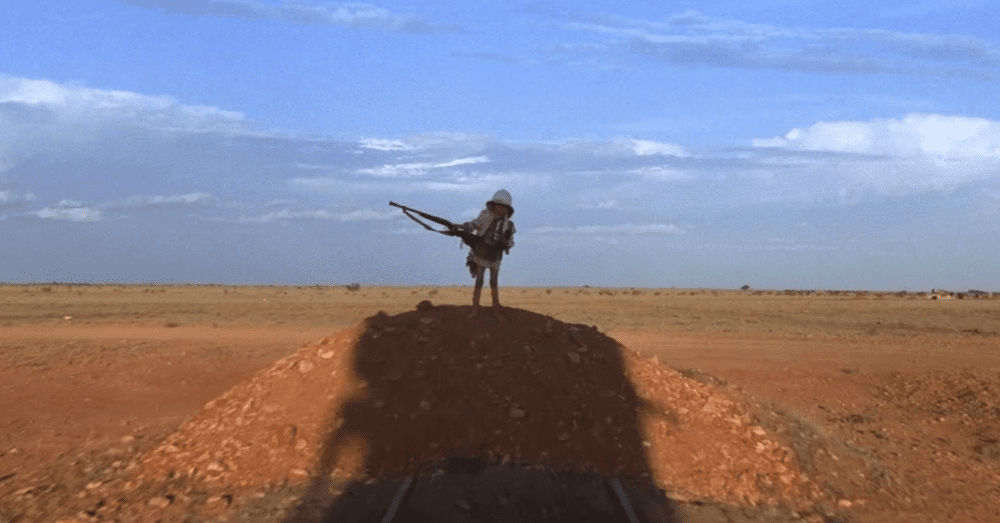
While the first two Mad Max films had so much going for them, it sure seemed like a stumble with the third of the trilogy. But that’s looking at it through today’s eyes because some critics like Roger Ebert sure loved it — he put it on his ’10 Best’ list of 1985! Join us — Pete Wright and Andy Nelson — as we go beyond Thunderdome with Mel Gibson and Tina Turner, continuing our Mad Max series with Miller’s 1985 film.
Mad Max 2: The Road Warrior
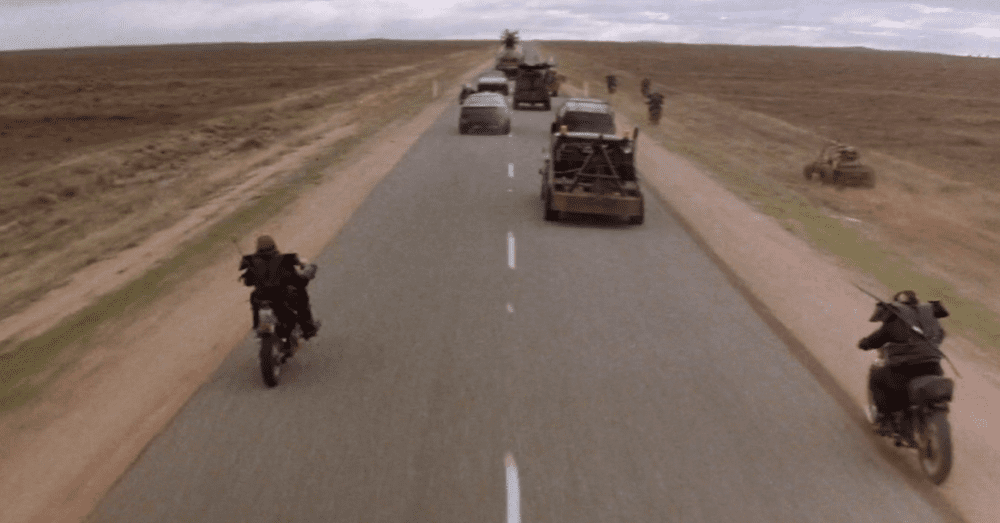
With the international popularity of “Mad Max,” George Miller was excited to get back into the driver’s seat and continue with his hero as he wandered the dystopian wastes of Australia looking for fuel. It was a smart move as “Mad Max 2,” or “The Road Warrior” as it was released in the States, not only did well at the box office but helped build the cult following of this franchise. Join us — Pete Wright and Andy Nelson — as we continue our Mad Max series with 1981’s “Mad Max 2: The Road Warrior.”
Mad Max
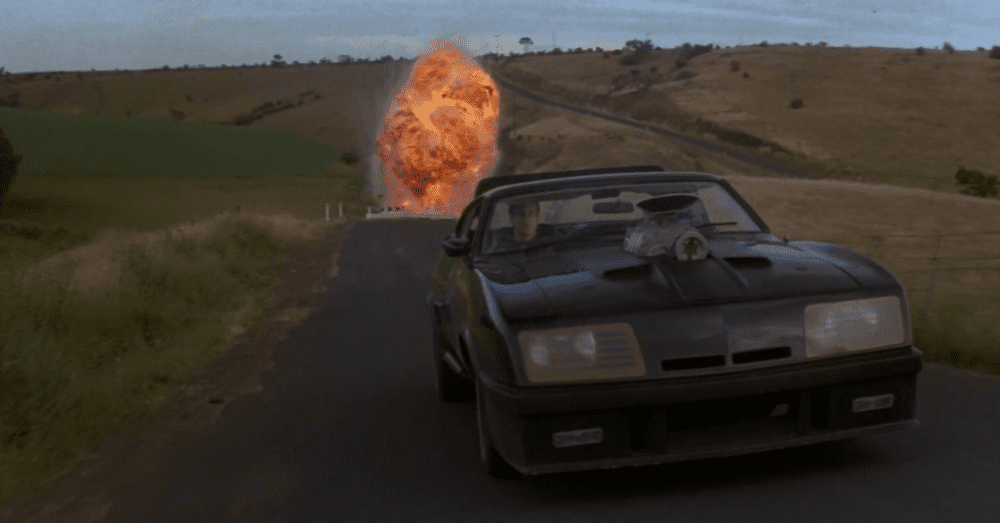
George Miller’s film “Mad Max” came out in 1979 in Australia and became a huge success, going on to become the most profitable film ever until it was unseated from its throne by one Blair Witch. It went on to spur two sequels and, soon, a fourth. Join us — Pete Wright and Andy Nelson — as we gear up for one of our most anticipated movies this summer by kicking off our Mad Max series with the start of it all — “Mad Max.“
Touch of Evil
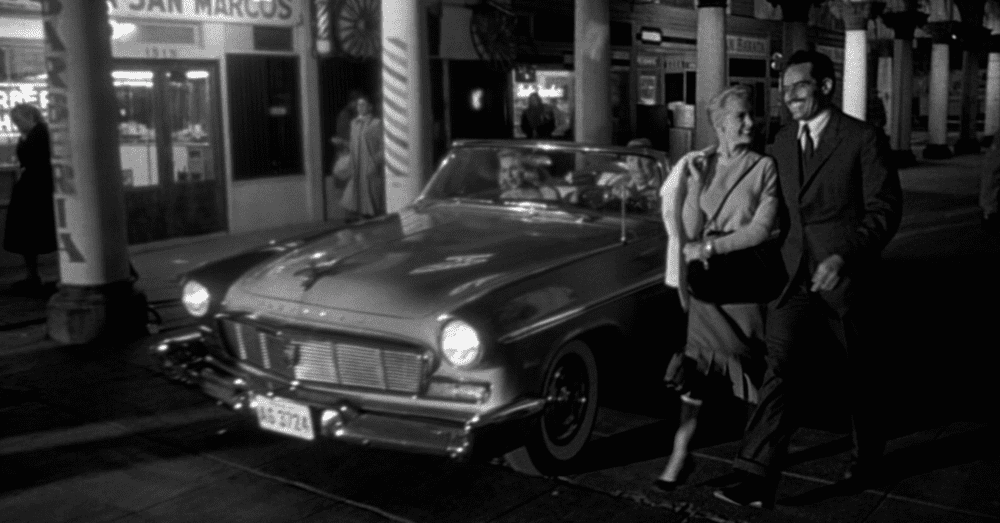
Orson Welles never was one who could direct in the Hollywood studio system without a hitch, and his last studio picture he directed, 1958’s “Touch of Evil,” stands testament to that fact. While the shoot itself went well, the film ran into its issues in post, leaving a truncated version that Welles wasn’t a part of (nor happy with) released on the bottom of a double bill. Now, with a re-edited re-release, the film now stands as not only one of the great films noirs but also as one of Welles’ finest cinematic achievements. Join us — Pete Wright and Andy Nelson — as we finish our film noir series with this magnificent, and dark, film.