
About a Boy
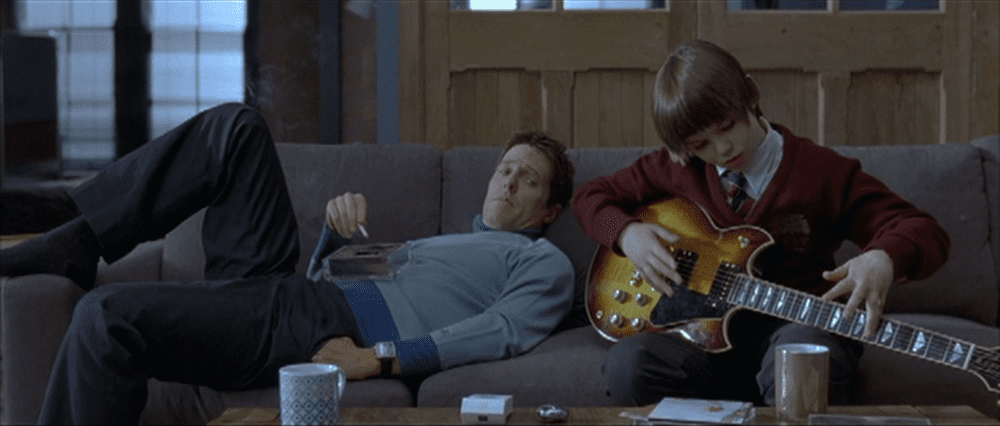
We continue our Romantic Comedy series with a film that really puts that genre to the test — 2002’s About a Boy, directed by Chris and Paul Weitz. Is it a RomCom? Is it a comedy drama? Or a RomComDram? It’s hard to say, but it is a great film that is full of honesty, heart, and human connection. Join us — Pete Wright and Andy Nelson — as we talk about this great film.
(500) Days of Summer

It’s October, which must mean it’s time for another month of horror, right? Wrong! This month, we’re turning the tables on all the Freddies and Jasons and Michaels and will be spending the month talking about romantic comedies! Our first stop? Marc Webb’s feature film debut, 2009’s “(500) Days of Summer.” Join us — Pete Wright and Andy Nelson — as we discuss one of our favorite romantic comedies out there.
The Blob
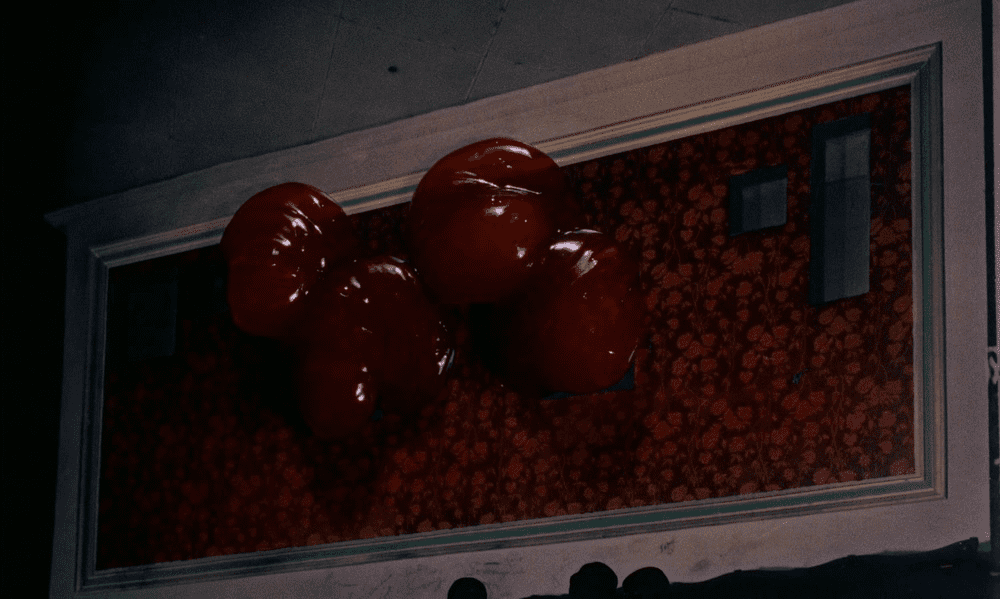
It was the genius mind of producer Jack Harris who saw potential in combining two popular 50s genres — the horror sci-fi films and the teen delinquency films — when he got Irvin Yeaworth to direct 1958s “The Blob.” There were plenty of low budget midnight movies being churned out then, but somehow this one ended up hitting the winning streak by getting picked up by Paramount and distributed across the country, making a name for its star, Steve McQueen, in the process. Join us — Pete Wright and Andy Nelson — as we talk about this 50s sci-fi/horror/teen drive-in classic this week. We talk about the nature of looking at films like this and how they work — or don’t work — through modern eyes.
The World’s End
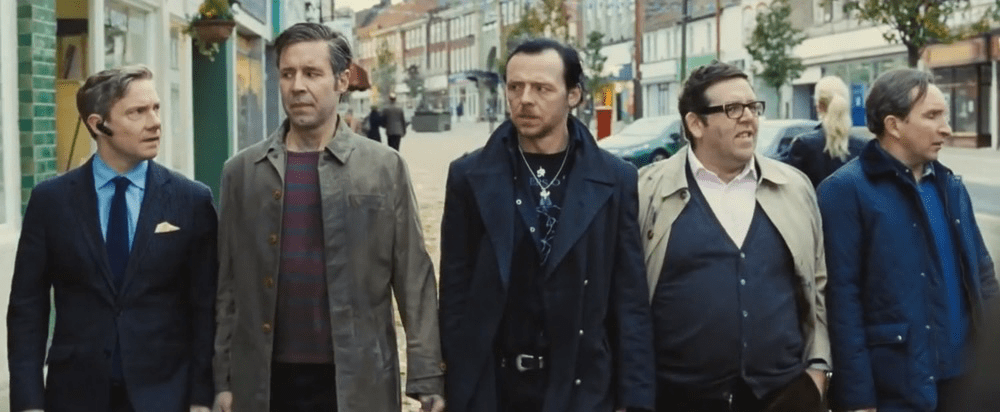
Hellllllloooooooooo! Welcome to episode #100 of The Next Reel, everybody! And what a better way to celebrate than to finish the Three Flavours Cornetto Trilogy series that we started in March 2012 with our episode on Edgar Wright’s latest film, “The World’s End.” Another genre film filled with poignant character moments, riotous moments of comedy, fantastic writing from beginning to end, and solid and assured direction, Wright finishes off this pseudo trilogy (that he started with “Shaun of the Dead” and “Hot Fuzz”) with a film that actually does help tie all three films together thematically while still remaining its own complete film. Join us — Pete Wright and Andy Nelson — as we delve into the frothy tale of five guys revisiting (or to some extent reliving) their past as they try to finish a 12-pub crawl they never completed before only to have it rudely interrupted by alien invaders.
No Country for Old Men
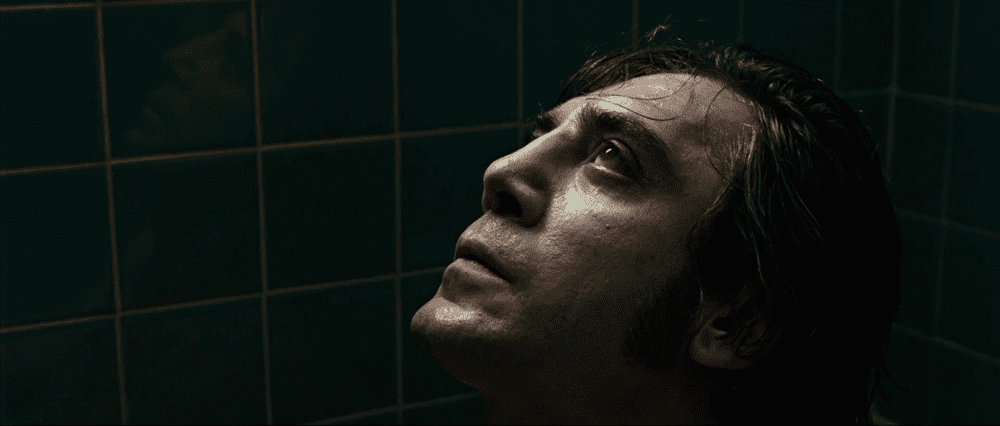
At the 2008 Oscars, Joel and Ethan Coen pulled off what only 4 other directors had done before them, walking away that night with 3 wins. The film, of course, is “No Country for Old Men,” and they won for Best Adapted Screenplay, Best Directors, and Best Picture. Javier Bardem won Best Supporting Actor for his chilling portrayal of hitman Anton Chigurh, which was well-deserved, and the film was nominated for 4 other Oscars. At the time, it was their highest grossing film, and put right at the top of many critics’ best film of the year lists. Join us — Pete Wright and Andy Nelson — as we conclude our Dramas of the Brothers Coen series with a conversation about “No Country for Old Men.”
Fargo
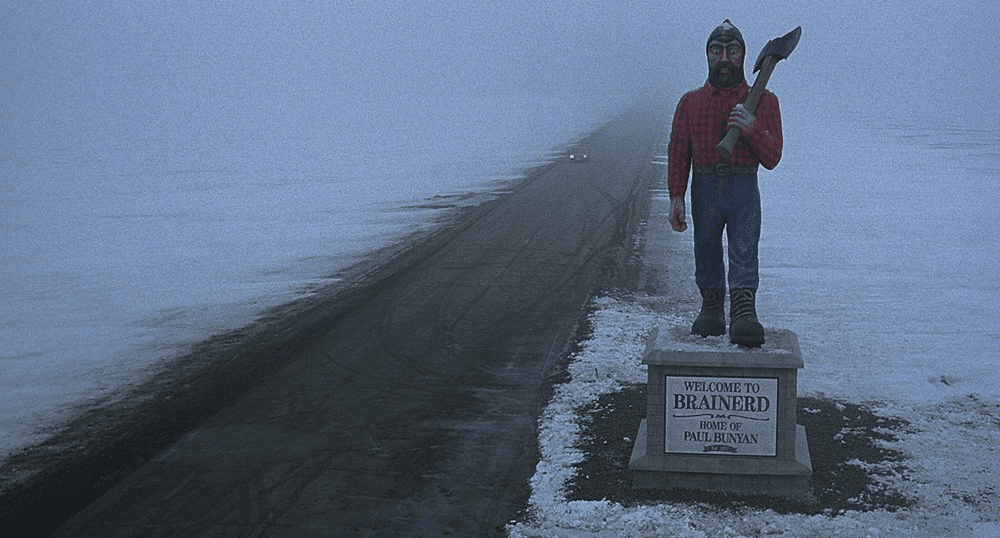
Joel and Ethan Coen may have won big at Cannes with “Barton Fink,” but it wasn’t until 1996’s “Fargo” was nominated for 7 Oscars including Best Picture, and won Best Actress (Frances McDormand) and Best Original Screenplay for the Coens that Hollywood really started believing that these guys could deliver the goods. (They did fail miserably in Hollywood with their previous effort, “The Hudsucker Proxy,” after all.) Join us — Pete Wright and Andy Nelson — as we continue our Drama by the Brothers Coen series with our discussion on this homespun tale of murder, “Fargo.”
Barton Fink
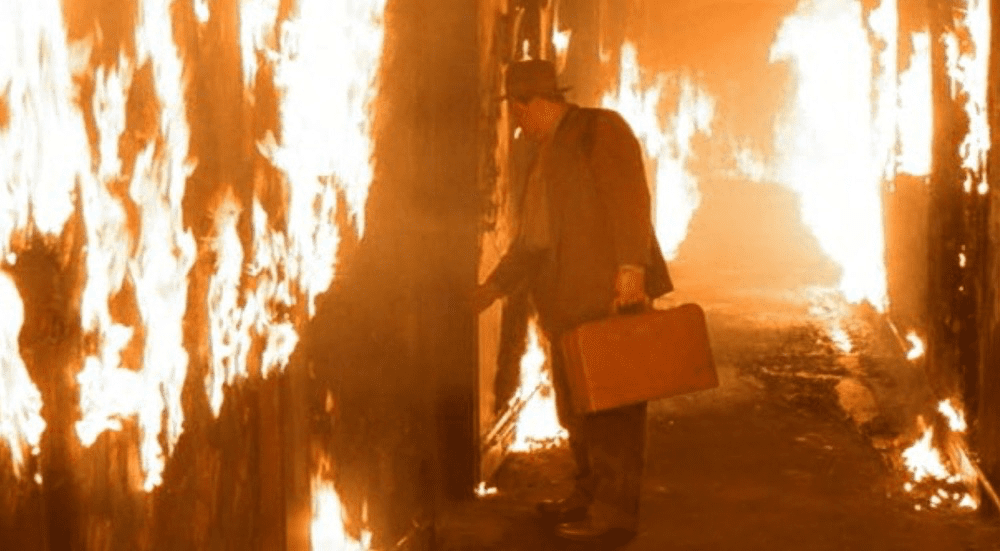
“Barton Fink” was the crowning glory of the Cannes Film Festival when it premiered there in May 1991. Critics heaped their praises on it. But it never really connected with the audience and hence was a box office failure. Luckily, Joel and Ethan Coen made a film that is worth rewatching and discussing, even if it’s not completely decipherable. Join us — Pete Wright and Andy Nelson — as we continue our Drama of the Brothers Coen series and delve into the murky, oozing depths of “Barton Fink.”
Miller’s Crossing
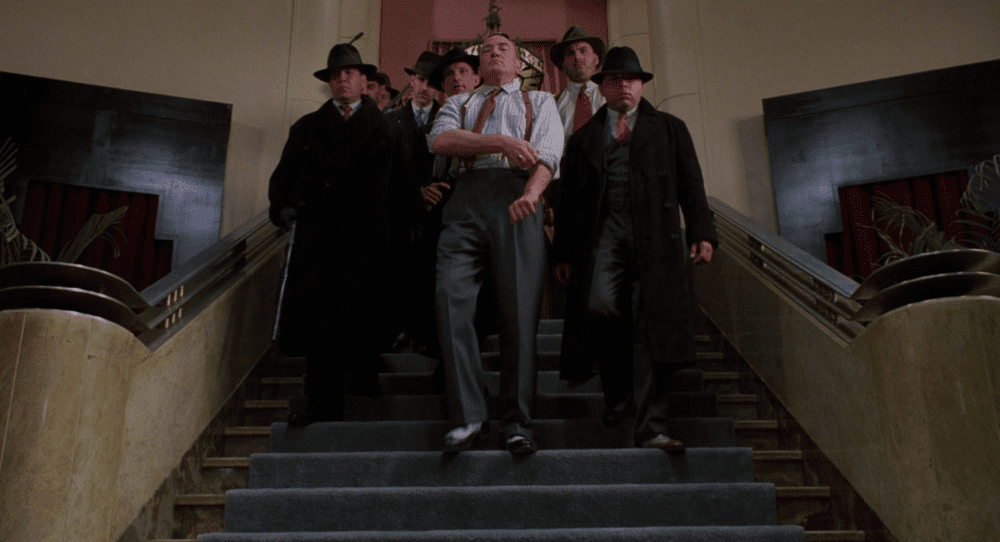
For their third film, the Coen brothers decided to again make something completely different from what they’ve done before. With “Miller’s Crossing,” they made a gangster picture that honors conventions of the genre while also twisting those conventions, just as they did with “Blood Simple.” And it worked for some people while not for others (and lead to a big bomb at the box office). Join us — Pete Wright and Andy Nelson — on this week’s episode of The Next Reel as we continue our Drama by the Brothers Coen series with 1990s “Miller’s Crossing.”
Blood Simple
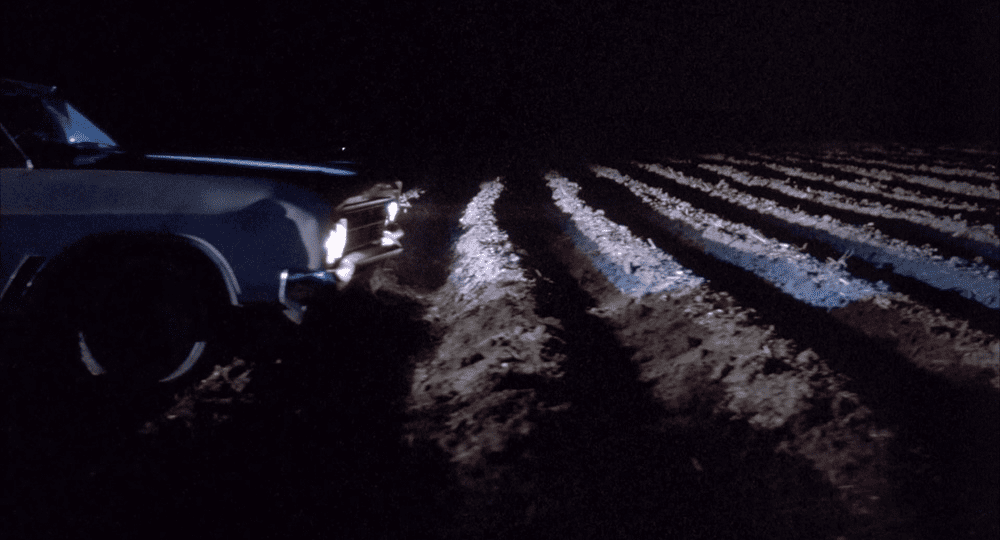
“Blood Simple,” released in film festivals in 1984 and theatrically in 1985, found as many detractors as it did fans initially, but no one can argue that it was all that the filmmaking duo of Joel and Ethan Coen needed to break onto the scene as fresh, quirky and sometimes violent voices in the cinema world. Join us — Pete Wright and Andy Nelson — on this week’s episode of The Next Reel as we start our Drama by the Brothers Coen series.
It Happened One Night
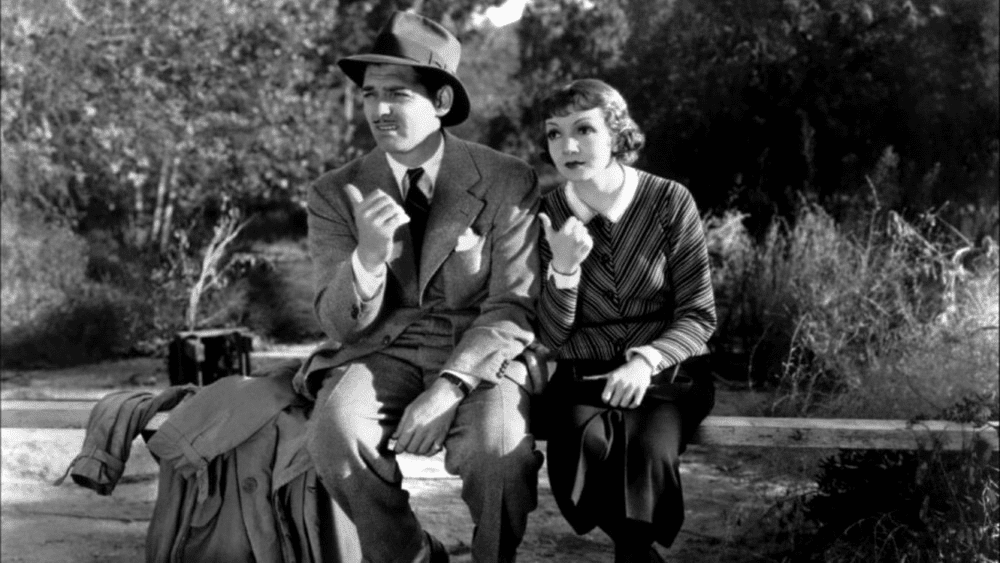
Nobody expected anything. Gable was hungover. Colbert hated it. Capra thought it was a throwaway. They accidentally invented the screwball comedy and swept the Oscars.