*This transcript is produced using transcription software and reviewed for quality. Despite our best efforts, some passages may be incomplete or contain errors due to audio quality or software limitations.*
Pete Wright:
How they
looking how
are they looking, your tabs?
Andy Nelson:
My tabs are my tabs are sexy.
Pete Wright:
Not the appropriate answer.
Andy Nelson:
Oh, my tabs look healthy.
Pete Wright:
Mhmm. Better. Healthy, strong tabs. I’ve been working my tabs. Found a I It’s like I found new tab.
Andy Nelson:
Does your trainer help you with
Pete Wright:
He does. He helps me work my tabs. I took a little bit of a light workout this week because I had some soreness in my ankles, and as a result, we worked a lot of the tabs.
Andy Nelson:
Oh, gotcha.
Pete Wright:
Yeah. Mhmm.
Andy Nelson:
I see. I have no response to that.
Pete Wright:
Alright. Are we finished monkeying around here? Can we get serious?
Andy Nelson:
There are no more monkeys here.
Pete Wright:
Alright. What have you seen this week? Anything good? Anything new?
Andy Nelson:
Should we tell people who we are first? Since we so effective. I love that. Love that last week.
Pete Wright:
It’s as if we imagine people just naturally tuned to us like on the radio, oh, I’m gonna stop at kilo one zero five and who are these guys? That’s I mean, that just is not a thing that happens. Right?
Andy Nelson:
I don’t think so.
Pete Wright:
All right. That’s Andy Nelson over there, and he’s charming,
a and
lot of fun to be with. He has great bone structure, interesting taste in clothes, and a lot of fun to be with. I’m Pete Wright, and I can be found often hanging around water coolers and the occasional violin store. And this is The Next Reel, and we talk about movies, and we spoil them horrifically. So in this case, if you haven’t rushed out to see tonight’s film, the 1934 It Happened One Night from Frank Capra, you should rush out and do that at your nearest Cineplex and then come back and listen to this show.
Andy Nelson:
Consider yourself warned. Public.
Pete Wright:
We’ll show them. That’s right. See you’re gonna spoil this 1934 film. We you can find us at thenextreel.com. That’s always a good website to to put in your handy bookmarks bar.
And at facebook.com, you can find us at facebook.com/thenextreel, and that’s another good place to join the conversation. So what what I miss?
Andy Nelson:
Nothing always.
Pete Wright:
Anything good? No? Don’t think so. I don’t think so. We’re gonna we’re gonna we’re gonna go right away.
No. We’re just gonna jump into it. Jump. Yeah. Let’s do it.
Let’s start with trailers, shall we? Do you wanna go first? Do want me to go first? You go first. I’ll go first.
You need to go first.
Andy Nelson:
Yeah. Mine is light and fluffy.
Pete Wright:
Fairly epic.
Andy Nelson:
It is. I it could be.
Pete Wright:
It’s hard to say. It’s I yeah. It’s sort of I don’t know.
Andy Nelson:
Well, here’s the thing. My my my trailer this week is Muppets Most Wanted. It’s the the new sequel to the latest round of Muppet movies. I I get confused if it’s like, okay. This is the, I don’t know, fifth or sixth Muppet movie.
It’s not really a sequel anymore. It’s just another in the line of them. Right?
Pete Wright:
Yeah. Well yeah. Right. Right.
Andy Nelson:
It’s just in the Muppet family.
Pete Wright:
It’s not even. It’s like Bond.
Andy Nelson:
Yeah. It’s just another.
Pete Wright:
Yeah. But this one oddly feels like
Andy Nelson:
it it oddly feels kind of like a remake or at least a spiritual remake of the great Muppet caper, which was the second Muppet film. Because in this film, the, you know, the quote on the website is the Muppets find themselves unwittingly entangled in an international crime caper in Muppet’s Most Wanted. Yes. Which is essentially what happened in the Great Muppet Caper, at
Pete Wright:
least International crime caper.
Andy Nelson:
Yeah. Yeah. Yeah. Charles Grodin stealing the jewel, falling in love with miss Piggy. Yeah.
Had to save the day.
Pete Wright:
Here’s the here’s the here’s the thing. Where is what’s his name? Jason what’s his name?
Andy Nelson:
Blah blah.
Pete Wright:
Last one.
Andy Nelson:
Yeah. Jason blah blah blah. Yeah. Jason. Yeah.
Pete Wright:
I’m supposed to have it faster than that, Andy. Now I’m
Andy Nelson:
It’s the now what guy?
Pete Wright:
No. Jason Segal. Jason Segal. I find Jason Segal charming and funny and the perfect actor for a Muppet film. I’m not sure that Ricky Gervais has the same what’s the word?
Charm? Gina Seikwa. Tina Fey plays the Russian. Ray Liotta is in it?
Andy Nelson:
It’s a list like any Muppet film.
Pete Wright:
Danny Trejo is machete.
Andy Nelson:
Tom Hiddleston plays Great Escape o.
Pete Wright:
Christoph Waltz isn’t it?
Andy Nelson:
I know. You’ve got Ty Burrell, Frank Langella.
Pete Wright:
But it it looks like it looks like the from the trailer, it looks like we’ve got a lot of Ty Burrell and a lot of Ricky Gervais. And a lot
Andy Nelson:
of That is what it looks like.
Pete Wright:
That’s sort of the core human cast in addition
Andy Nelson:
Although in although in the trailer, it doesn’t really get into anything having to do with the jewel heist caper headed by a Kermit lookalike and his dastardly sidekick.
Pete Wright:
No. It gets into none of that. That’s true.
Andy Nelson:
It gets into none of that. It’s just shenanigans. It’s Muppet shenanigans shenanigans is what we see in the trailer.
Pete Wright:
There’s a lot of, like, light stands falling. That’s a big thing.
Andy Nelson:
And a lot of moves like Jagger.
Pete Wright:
It’s a trope. Yes. A lot of moves like that, and penguins,
Andy Nelson:
of course. And penguins. Yes.
Pete Wright:
It it is it it yeah. It is. You know what? I hope, actually, what comes out of this are more brilliant teaser trailers. If you remember, last time it was they did this great series of remakes of great movies with Muppets.
Do you remember that? Yeah. Yeah. It was fantastic. It was a great, great series.
Andy Nelson:
Was it was it trailers or was it the posters? I remember a lot of posters. Maybe I’m
Pete Wright:
not remembering the trailers. Trailers. Well, I’ll I’ll have to look that up and make sure I’m not completely making that up. There’s a chance I’m making that up. I don’t I don’t think it’s a very good one.
Andy Nelson:
I think it is a good chance.
Pete Wright:
I no. Well, on that, we disagree. So How would
Andy Nelson:
you like that job, getting paid to do the Muppet trailer remakes of big movies?
Pete Wright:
I would want that job in a heartbeat. You say that might that be a chore. Are you kidding?
Andy Nelson:
I I might want that job more than actually making the movie itself.
Pete Wright:
Yes. Yes. That’s true. What would your number one movie be?
Andy Nelson:
Well, it always has to be recent recent like, ultra recent films.
Pete Wright:
Yeah. Oblivion. Yeah.
Andy Nelson:
The well, I was thinking, like, Iron Man three Oh, yeah. After Earth.
Pete Wright:
We’re the Millers. Stripper Muppet. Runaway Muppet. How about Iga? Lovelace.
Andy Nelson:
Oh my.
Pete Wright:
Yeah. We have No. That’s that’s derailing. Yeah. This is good.
In a world. Oh, totally. Oh my gosh. That’s coming. It’s gotta be coming soon.
Andy Nelson:
It is coming. It is. Yes. It is.
Pete Wright:
Okay.
Andy Nelson:
So that’s my trailer.
Pete Wright:
That’s good.
Andy Nelson:
You know, I I’m looking forward to it about as much as I look forward to any Muppet movie, which is on a on a fairly, you know, middling ground level. I always am looking forward to seeing it and hoping I enjoy it. And I always kind of leave going, okay. That was kind of fun.
Pete Wright:
Yeah. Yeah. Right? No. I can that’s right.
Andy Nelson:
Yeah. So, you know, I hope this one is kind of fun.
Pete Wright:
Yep. Me too. Maybe a little better. Me too.
Andy Nelson:
This one opens March 21 next year.
Pete Wright:
Yeah. No. That’s good. March 21. Wonder if I’ll be busy Little
Andy Nelson:
little bits away.
Pete Wright:
Wonder if I’ll be busy that day. We other breaking news today. Did you hear this in your favorite genre of geriatric action movies?
Andy Nelson:
I don’t know.
Pete Wright:
You haven’t heard the latest Harrison Ford news? This shows that he’s crossed over, this news, that Harrison Ford has crossed over.
Andy Nelson:
He’s making Amor two.
Pete Wright:
No. He’s replaced Bruce Willis in your favorite, The Expendables three. What? Wow. Yeah.
Sly Stallone himself tweeted that news that Harrison Ford is in.
Andy Nelson:
Wow. He he really is. He he really has crossed that line, hasn’t he?
Pete Wright:
Oh, okay. My trailer is not anything related to Harrison Ford. My trailer is the new Renny Harlan film.
Andy Nelson:
But it is related to Bruce Willis. It is. See, you kinda you you you missed an opportunity for a good through line there.
Pete Wright:
Yeah. It is related to Bruce Willis Yeah. And the Die Hard. Right? And Slice Alone.
Die Hard two. And Slice Alone with Cliffhang.
Andy Nelson:
Yeah. Please. You totally missed that one.
Pete Wright:
You are a wicked web weaver, my friend. He’s got this new movie. It’s called Devil’s Pass, and it’s coming out 02/28/2013 in Russia. Who knows when it’s coming out here? I don’t I don’t know when we’ll get it.
And it’s
Andy Nelson:
It’s like August 23 limited.
Pete Wright:
Oh, good.
Andy Nelson:
Well So there.
Pete Wright:
You’re on you’re on the case. Five young filmmakers retrace the steps of a doomed group of hikers in pursuit of an unsolvable mystery, and I’m really torn on this movie because when I saw that when the trailer starts, you know, it’s an avalanche story. I love me some apocalyptic of doom and gloom films. You give me a skyscraper on fire, people trying to escape. You give me a sinking cruise ship.
You give me any of those kinds of things, I’m pretty excited. So when I see an avalanche natural disaster movie, I would watch Volcano. I would do that. I would watch Volcano again. Wow.
Because I’m into the La Brea Tar Pits boiling over. Anyway, I’m big into those movies, and so I was excited that this was an avalanche movie in itself. I don’t know. Did you see the New York Times story that came out a while ago? They did this wonderful, wonderful, wonderful digital feature on this avalanche thing, and there was this great avalanche story and rescue and people you know, there were people who, you know, died and were trapped, and it was a true story.
And I thought, well, now they’re making a movie of that. I was very excited. Then it turns out it’s like a creature thing.
Andy Nelson:
Yeah. Was surprise. Little different.
Pete Wright:
Yeah. It goes
Andy Nelson:
into The Descent, which is what it all of sudden
Pete Wright:
turns into. Exactly what it turns into. That’s what it looks like. So it’s an avalanche film crossed with The Descent, and I don’t know if I should be more excited about this or less. Renny Harlan, I’m hot and cold with Renny Harlan stuff, but
Andy Nelson:
Well, just the fact that they have to put on the poster director of Die Hard two and Cliffhanger
Pete Wright:
Yeah.
Andy Nelson:
To let you know who this is, being his films that he made in 1990 and 1993. Right. Right.
Pete Wright:
What? No word about The Long Kiss Goodnight?
Andy Nelson:
Oh, hey. I liked the long kiss goodnight.
Pete Wright:
I knew you were gonna say that. I knew it so. I knew it so. But they’re not saying But deep glossy.
Andy Nelson:
Five days of war. No. Twelve rounds.
Pete Wright:
Clear. Even mind hunters. Don’t forget Mindhunters. Oh, yes. Old honey.
Val Kilmer. Right?
Andy Nelson:
Mhmm.
Pete Wright:
We know how much we love Val. Anyway, that’s my trailer. I’m marginally excited about it because it does have avalanches and the descent. So
Andy Nelson:
Well, and I will say about it. I because I saw the trailer, and I’m like, that’s interesting. The Dyatlov Pass incident, which I had never heard of. It was an actual avalanche incident in the Ural Mountains where these nine ski hikers actually did die. And there is a lot of mystery about the circumstances.
They have theories about things, paranormal activity, secret weapon tests, avalanche damage, you know, all these different circumstances of things as far as the evidence that they ended up finding that led people down lots of different roads as far as what actually happened. So Yes.
Pete Wright:
Yeah. That’s true.
Andy Nelson:
I don’t think they ended up being devoured by underground human humanoid creatures, but you never know.
Pete Wright:
I I will say that it the character of Alya, I bet she makes it, because she’s listed here as played by two actresses. One says Alya at 20 years old, and one says Alya at 73 years old.
Andy Nelson:
So I bet it’s not the actress or the character named Holly King because we have Holly King, and then there’s another actress playing Holly creature.
Pete Wright:
Creature.
Andy Nelson:
Which makes me think maybe Holly doesn’t stay
Pete Wright:
Holly doesn’t make very long. That’s Spoiler alert. Horrible. Thank you for reading the cut. Oh my gosh.
I thought I was totally on the ball with that one, but I missed Holly creature. That’s fantastic. Ironically, Holly King is actually played by Holly Goss. Really? They couldn’t with the names?
Had to stick with Holly.
Andy Nelson:
I know.
Pete Wright:
All right. So that’s the Devil’s Pass. You should go see it. Looks exciting. You can catch it at
Andy Nelson:
It creepy.
Pete Wright:
You can’t it’s funny. Isn’t it funny that I’m the one who points this out? I don’t usually do the horror movies.
Andy Nelson:
I know. It is like a little change up going on over here.
Pete Wright:
A little bit. Oh. Let’s see. Before we talk about this movie we’re gonna talk about tonight Mhmm. Do we have any other updates that we need to fill people in on?
Do we have any other we we wanted I think we missed something last week. Were weren’t we supposed to say say something? Oh, well, you know what really help people? Let me tell you. I remember what it is.
If you head over to iTunes and subscribe to the show, as long as you’re there, drop us a couple of nice words on the review page there. That really helps other people discover the show, and we’ve gotten some such nice comments. We totally missed one from SirMike214. You know what? He’s very simple.
He’s straightforward. He gives us five stars. We love those five stars, and he says, I look forward to this podcast every week. It’s entertaining and educational. I wonder which is which.
Andy Nelson:
You mean me and you?
Pete Wright:
That’s okay. I said it. I said it.
Andy Nelson:
You went there.
Pete Wright:
I’m not afeard, and so we we sure appreciate that. Thank you so much, sir Mike, and and anybody else who has time and inclination to jump over there. We sure appreciate it.
Andy Nelson:
Definitely, we do.
Pete Wright:
Alright. Alright. Shall we talk about this movie?
Andy Nelson:
Let’s do it.
Pete Wright:
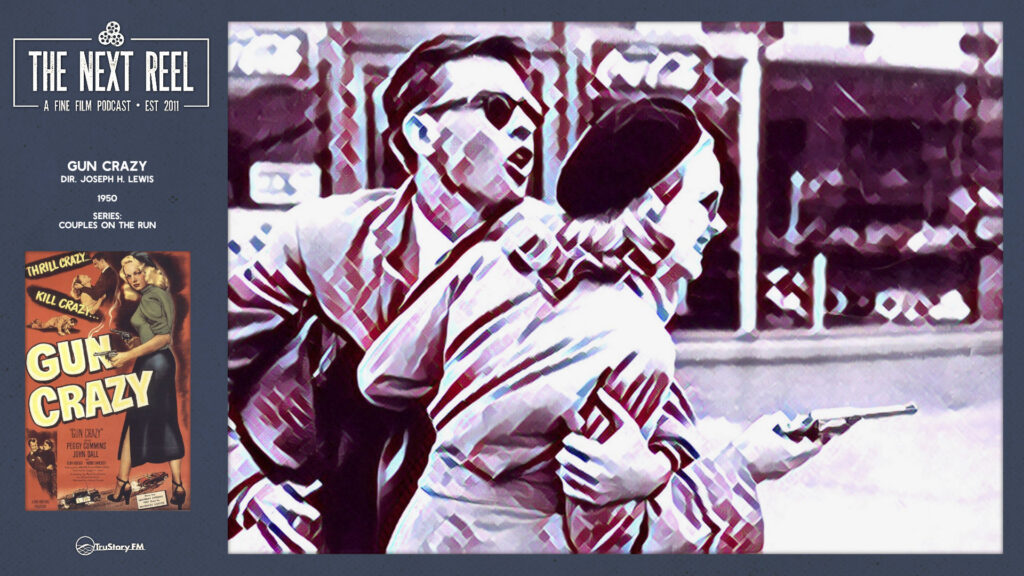
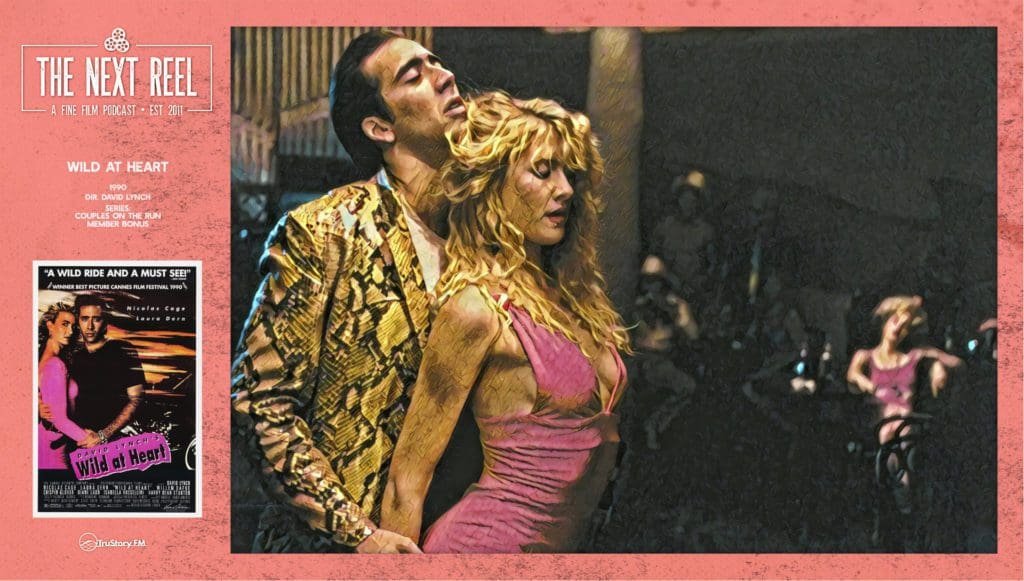
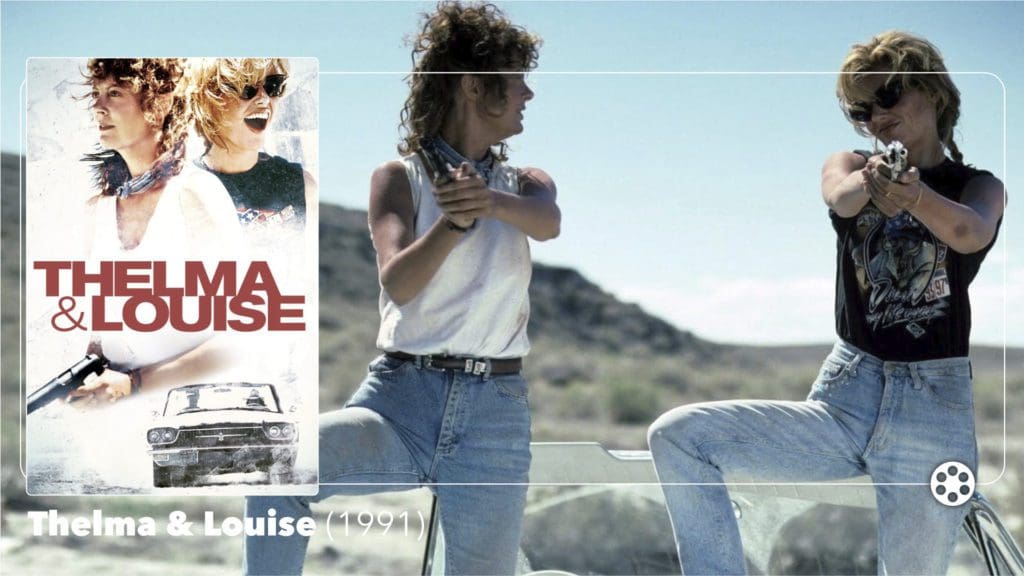
We are continuing. We’re actually continuing and ending our long running series on couples couples of the run.
Andy Nelson:
Four episodes. Right. Actually, tonight’s, Yeah. Tonight’s the fifth.
Pete Wright:
This is the fifth. This is the fifth episode we’ve we started with do you even remember what movies what what our movies were so far that we’ve done?
Andy Nelson:
Night Run. Mhmm.
Pete Wright:
True. Comedy.
Andy Nelson:
Man. Horrific violence. Butch Cassidy and the Sundance Kid. Western. Night of the Hunter.
Horrible Preachers. And It Happened One Night.
Pete Wright:
It’s like a it’s like a a pre Tom Hanks Meg Ryan kind of a thing. It’s what I kept seeing in this film. Don’t you think?
Andy Nelson:
That’s an interesting look at it. I hadn’t thought about that,
Pete Wright:
but it It was Sleepless in Seattle in 1934.
Andy Nelson:
With a very rich, possessive father.
Pete Wright:
Well, I’m not saying there weren’t boundary issues. There were family problems, but they were it all
Andy Nelson:
worked out in the end.
Pete Wright:
It does. It sure does.
Andy Nelson:
Well, you know, helps that this is, by many people, considered the father of the Screwball comedy. Yes. I think that may be why it has that that Tom Hanks y Meg Ryan y comedy. You know, something funny.
Pete Wright:
Sort of. I think we’ve
Andy Nelson:
I’ll
Pete Wright:
got
Andy Nelson:
to a new give anyone who could tell me what movie I’m referencing 10 points they could. Let us know.
Pete Wright:
Next Reel points? All right.
Andy Nelson:
That’s great. Facebook.
Pete Wright:
Head over to facebook.com/thenextreel, and if you can if you can pull apart Andy’s really spot on improv there.
Andy Nelson:
I need something, you know, funny.
Pete Wright:
That’s good. That’s good. No. Do that a couple more times throughout the show. Just drop it in there.
This is not only is it the father of the Screwball romantic comedy, it is the the the father of other things as well as the father of in fact, it is the father of films that win all five major Academy Awards. How about that?
Andy Nelson:
Yes. Yes. It is that.
Pete Wright:
It won for best actor, best director, best actress, best screenwriter, and best film in 1934, the seventh Academy Awards. That’s a that’s great. That is great. When was the and the next time that that was created or the next time that was hit was
Andy Nelson:
1975.
Pete Wright:
1975. One Flew Over the Cuckoo’s Nest. I’ve never seen that movie, so
Andy Nelson:
Oh my goodness.
Pete Wright:
That’s not true. That’s not true. That’s a lie. That was a joke. Please.
So
Andy Nelson:
it took forty one years for it to happen again, and then it’s only happened one other time since then.
Pete Wright:
That’s right. Which was? For 10 more points, I’m going to go with Silence of the Lambs.
Andy Nelson:
Ding, ding, ding. Ding, ding.
Pete Wright:
I did no research. Just totally pulled that right.
Andy Nelson:
I’m sure you did.
Pete Wright:
Jonathan Demi, Anthony Hopkins, Jodie Foster, and Ted Talley. Three times we get the big five, and this movie started it. And do you think, Andy, in hindsight, you put yourself in that nineteen thirty four audience, you’re in your spats and your top hat, you’ve got your monocle on, and you head off to the theater, to the Oscar presentation, they say, It happened one night. Boom, boom, boom, boom, wins all the awards. Do you say to yourself, Meh, that was a good selection, Or, meh, they were robbed.
Well,
Andy Nelson:
let’s see. The top grossing films of 1934 are Viva Villa directed or starring Wallace Beery, Cleopatra, also starring Claudette Colbert. The Barretts of Wimple Street, starring Norma Shearer. The Thin Man with William Powell and Myrna Loy. The Richest Girl in the World, starring Miriam Hopkins.
The Gay Divorcee, starring Fred Astaire and Ginger Rogers. Imitation of Life starring also Claudette Colbert, had a very busy year, The Girl from Missouri with Jean Harlow, and The House of Rothschild starring George Arlis and Loretta Young, none of which I have seen. So I am not the person to ask if this was the movie to win.
Pete Wright:
Alright. That’s fair. I have seen Cleopatra, and I’ve seen The Thin Man.
Andy Nelson:
Okay.
Pete Wright:
I want to say I’ve seen The Gay Divorcee, but I think that was like a Turner movie classics kind of weekend thing and I was probably not paying much attention to it. Sure. But that’s it from the 1934 ranks for me. Think this probably stands up. Yeah.
What I find ironic about this whole thing, and it’s like many of the great hit films, is that neither Clark Gable nor Claudette Colbert Colbert thought they were doing anything particularly striking when they when they did this film. Right. They were they were in fact, Claudette Colbert actually said, I think I was just in the worst movie ever made.
Andy Nelson:
Right. Yeah. The worst movie I’d ever starred in.
Pete Wright:
Starred in. Yeah.
Andy Nelson:
Yeah.
Pete Wright:
That’s fantastic.
Andy Nelson:
I showed you Colbert. Well, and she had actually done another film with Frank Capra, which was his first film, And oh gosh. What was it called? Let me I’ll find it here in a sec. He it did really poorly.
She really felt like, you know, that was a terrible experience. I’m never gonna work with him again. She only ended up agreeing to do this film. It was called For the Love of Mike. It came out in 1927.
She only agreed to do this film because the head of Columbia Pictures, Harry Cohn, agreed to double her salary. And at the time, her salary was $25,000. She wanted $50,000, and she was about to go on a a vacation. She had four weeks off for vacation, and and he said that he could get it done in four weeks. And so she agreed to do it.
And it sounds like she kind of had a miserable time making this film. And then even at the when the Oscars came around, she wasn’t even there. She was about to leave on another vacation. I guess she was taking a lot of trips. She was at the train station and it announced that she won.
Somebody ran over to the train station, got her, and brought her back. She went up on stage and said thank you and started leaving and then she came back and said, and I have to thank Frank Capra for this. So she came around. Took a while.
Pete Wright:
Yeah. Took a while.
Andy Nelson:
It took winning an Oscar.
Pete Wright:
Meh. Helps. And, yeah, it it just get you get the feel as you read about the the production of this film that everybody was just sort of taking it taking it easy. Mhmm. That it it was a screwball, and you sort of get the the the impression that it’s or at least I get the impression that it is because, as you say, as the father of the screwball kind of romantic comedy, that nobody quite understood what they were making.
Yeah. Which is interesting coming so hot on the heels of some of the screwiest, bawliest silent films as this film was.
Andy Nelson:
You know, it’s one of those things. I think, Capra himself, I don’t think was expecting much out of this film. He thought it would be a fun little film to make. I don’t think he was really thinking it was gonna be anything big. Just another light little fluffy film that was gonna be out there.
Pete Wright:
Mhmm.
Andy Nelson:
Clark Gable, there’s a couple stories as to why he ended up on the project. You know, the main prevalent story seems to be that he had been working over at, where was he, MGM I think? Yeah. And he had like kind of pissed the head of MGM off and so they sent him over to Columbia to make this little nothing film because Columbia at the time was considered the germ of the ocean. They everyone kind of considered it kind of the last stop as far as film studios went because they had never won any awards.
It was just kind of a very startup company, so to speak. Mhmm. And so I think it’s come out since then that that wasn’t quite the case, that Gable, his rate, they were making more on selling Gable out to this other company to make this movie than they would’ve made with him sitting around because this was the days when basically a studio kind of controlled an actor and had a big contract for years and put them in whatever movies they wanted and they just got paid a weekly salary. They were making money on him so it didn’t hurt them at all to have him off working over at Columbia. Anyway, up to that point, Gable had really only been making more serious films or crime films.
Nothing that really fit this mold. And so Capra apparently saw something in him that that he thought could work, kind of this comedy, and it it he played it up really well. But, you know, from what I had read, you know, he started coming to the set. Initially, he was kinda drunk because he was just, you know, one of those tough guys who, you know, just that’s how he was, kind of a Robert Mitchum sort of guy. And Frank Capra had to kinda straighten him out, it took him a little time to kinda get into Capra’s vibe, but Capra was just like, look, you know, we’re all making this movie.
Let’s make it the best we can. And it just wasn’t the thing that Gable was used to making. And so I think for him, it just he never saw it as the sort of film that was kind of, I I guess, at the time, more serious Oscar fare. And I think he just went into it just kinda with a devil may care attitude and really had a great time making it. And you can tell, I think, watching Clark Gable and Claudette Colbert.
They both are just having a lot of fun playing their roles and making this film. And the way that they have that kind of witty repartee that has become so well known in the Screwball films, I think, is one of the things that makes the film stand out.
Pete Wright:
I absolutely agree with that. There is a a real infectious charm to their relationship on screen, that you can really feel like you’re a part of their journey together. We haven’t talked at all about the film, and I wonder I imagine this is not a film that a lot of contemporary listeners may have seen. Should we walk through a little bit of the plot as such as it is?
Andy Nelson:
Sure. Sure.
Pete Wright:
First, we should say it was based on a short story. Right. And it was that short story was, let’s see, Night Bus, 1933 short story Night Bus by Samuel Hopkins Adams. Right. And so that is to say much of the or a lot of their journey takes place on a bus at night.
Andy Nelson:
Yeah, a good chunk
Pete Wright:
of A piece of it.
Andy Nelson:
A good chunk, yeah. Basically, Colbert plays Ellie, a spoiled heiress who’s bored and frustrated with her father who essentially controls her life and makes her do the things that he wants to do and she wants to do things for herself. She’s married somebody, what’s his name, King something.
Pete Wright:
King Wesley.
Andy Nelson:
Yeah, King Wesley. And she’s married him on a whim and her father is trying to annul the marriage. She doesn’t want to. She flees her father jumping off the boat that they have docked off of Florida, swim store, and basically goes on the run hopping on a bus so she can take a bus all the way up to New York and be with her husband. She runs into Clark Gable who plays Peter Warren, a newspaper reporter.
Basically we meet him as he’s quitting his job in a very fun scene to watch with a very interesting relationship between him and his editor that I’m sure we’ll talk about a little bit. He hops on this bus, meets her, a lot of, you know, arguments and and interesting conversation between the two of them. Eventually, he learns who she is, and he kind of sells this idea that he’ll help her get to New York so she can be with her husband and not tell anybody who she is as long as he gets the story and he can sell the story of who she is and all this stuff, why and all that to make some money off of it. And of course, as they go along, they kind of fall in love and all that good stuff. And, yeah, I guess that’s the long and the short of it.
Pete Wright:
Yeah. That’s that’s good. Long and short.
Andy Nelson:
The long and short.
Pete Wright:
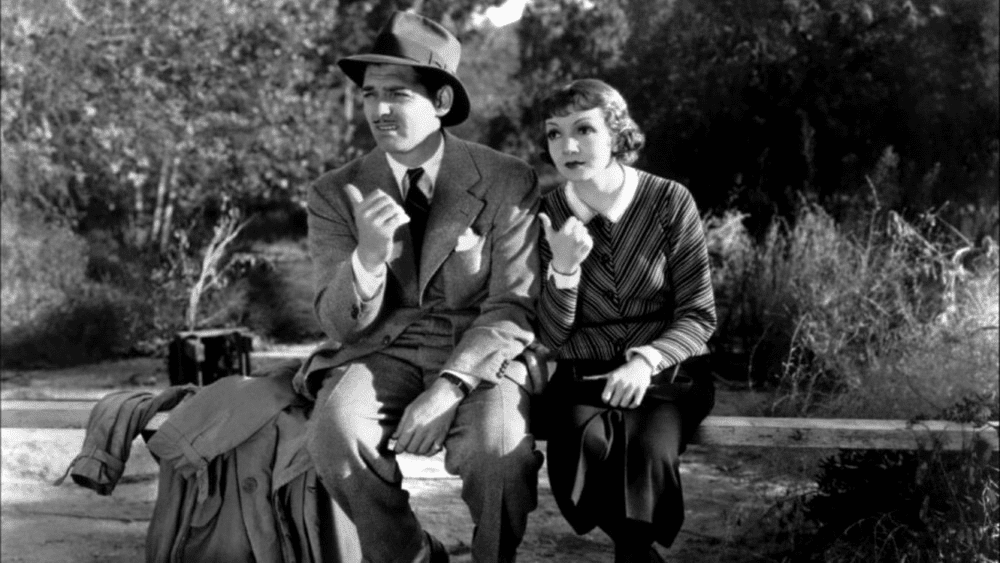
So back to their relationship on screen, I think it is really charming and sort of addictive, as these best romantic relationships on screen should be. She is adorable and charming, and in particular, the sequence where they’re trying to hitchhike. Mhmm. As she, you know, she says, you know, I’ve I’ve seen a lot of the hiking. Where where where do we start the hitching?
Andy Nelson:
Right.
Pete Wright:
And and decides to stop on a fence. She does this you know, he he does this whole bit. He’s got a bit of how he hails a cab or how he hails a car when he’s hitchhiking, and he shows his he all the different thumbs that he uses. Thumb one, thumb two, you know, and and how he does it, and what kind of face you need to have when you’re doing that and when you’re hitchhiking.
Andy Nelson:
The follow through.
Pete Wright:
The follow through. Right? There’s just this this fantastic delivery of this long kind of monologue. Then he proceeds to demonstrate, and, of course, no not a single car will stop for his hitching. Eventually, it becomes really absurd as he’s trying to hitch car after car after car.
There’s apparently a parade in town of some sort, and there’s just all these cars that are going by, and all we have is this medium shot on his face or on him with her in the background, and she is lying on her side on top of this fence in what I have to imagine is a precarious and not comfortable position at all, and yet she’s trying to sell it as I think she does. She sells it as this girlish flirtatious pose, and she proceeds to say, I’m going to do this my way. It’s my own standard, and she goes and shows her leg all the way up to the high thigh
Andy Nelson:
Right.
Pete Wright:
And a car stops. And word is she didn’t wanna do that.
Andy Nelson:
Right.
Pete Wright:
And they actually hired a leg double. And when she saw the leg, she said, no. I’m I’m gonna show my leg. That’s not my leg. Fantastic.
I love social progress.
Andy Nelson:
Yes, it’s great.
Pete Wright:
And so it ends up being this wonderfully charming moment with Gable sitting in the background just being fantastically manly in his wonderful suit, arm up on the fence, and making his case. So it was great. It was it’s a great little scene. I think it really illustrates their that that sort of turning point in their relationship where they become flirtatious with one another, where they sort of fall in love. And Absolutely.
And and the rest of the film is is a Romeo and Juliet story. He’s the you know, he’s the the well, it’s sort of except for the swords or words at the end.
Andy Nelson:
That’s right.
Pete Wright:
There’s no no swordplay, and no one dies.
Andy Nelson:
And they
Pete Wright:
end up running off to each other, right?
Andy Nelson:
That’s right. That’s right. And there’s an auto gyro.
Pete Wright:
And there’s an auto gyro. That’s a fantastic special effect.
Andy Nelson:
Practical That was wonderful. That was wonderful.
Pete Wright:
I love their relationship. I love how they approach one another on stage, and I think that’s one of the things that makes the movie, even as weirdly comically goofy as it is, and dated, obviously, 1934. It doesn’t necessarily hold up, particularly social conventions, things like he says, you know, he’s having this conversation with her father and says, what she needs is a husband who isn’t afraid to soccer soccer once a day.
Andy Nelson:
Soccer soccer once a day whether she needs it or not.
Pete Wright:
Whether she needs it or not. That’s like that that’s
Andy Nelson:
And her father is smiling.
Pete Wright:
He agrees. He totally agrees and says, but do you love her? Yes, I do. Things change. Yeah, that’s right.
So there’s some dated social conventions in the film, but otherwise the language is tight and funny and the performances are just as vaudevillian as you want them in a film like this, and very
Andy Nelson:
approachable. Well, and the dialogue comes Robert Riskin wrote the screenplay, and I believe he did quite a bit of work with Frank Capra. I think he, from ’33, Lady for a Day, this, Mr. D’s Go to Town, it goes to town, you can’t take it with you, Here comes the groom, it happened one night. Let’s see, meet John Doe.
Yeah, he did a lot of Capra stuff and is a solid writer that really I think connected well and knew what Frank Capra wanted. Frank Capra always enjoyed the fast, fast pace and you know, it’s said that he would screen something or when he would watch it in the editing room and he’d get it fast enough at what he thought, then he’d watch it on a big screen, it always felt too slow so he’d speed it up a little bit because there’s a difference between watching it on a little screen and then watching it on the big screen. He always felt it slowed it down. So he would have his actors just deliver lines faster than, you know, they were used to because he really wanted to make sure he kept this fast pace. And I think that’s what lent a lot to that screwball comedy feel.
That’s definitely something that happens a lot in screwball comedies is just that that fast banter back and forth. I think that these two performers both really caught onto that and do a great job with it. You see the scene when the detectives come the first morning when they’ve spent the night in this little cabin when the bus pulls over and they spend the night. Colbert and Gable spend the night in this cabin, wake up the next morning and there’s detectives there and they have to put on this act about how they’re this married couple and he just musses her hair which is enough to fool these detectives which I thought was great because they would never suspect her as somebody who had such must hair. I just thought that was hilarious.
But this whole little act that they put on, they both totally get into this whole bit about this argument that they have and how he was drunk at this dance. And and it just goes on, and they both just are playing off of each other so well. It’s all so fast. It just it it comes at such a great pace, and then the detectives leave, they have such a great laugh over it. But you just get the sense that that that style is really how this film is structured and needs to be structured in order to function in the genre that it’s in.
And I think these two actors really connected with that, and with each other, and made it work.
Pete Wright:
Well, I I think so, and I think this is this is one of the conceits of the genre. If you if they it’s if it’s so slow you can stop and think about it, then it’s not funny. Absolutely. And and this film in that regard washes over you. I think that example is one when they’re talking in the boarding house and they have the blanket up on the rope, which is another.
Andy Nelson:
Home of Jericho.
Pete Wright:
Yeah, right. There’s a sense when they speak to one another there and on the bus that there is no way that two people, when talking to one another and trying to adjust to each other’s social cues, could ever talk that fast, yet that’s what makes their relationship so wonderful to just be a part of. It is a it’s a roller coaster.
Andy Nelson:
Absolutely. Yeah. Yeah.
Pete Wright:
Okay. So that’s those two. What other characters strike you as strengths in this film?
Andy Nelson:
Know, Frank Capra, kind of like Preston Sturges who we’ve talked about before, really directs and has a lot of really just great supporting characters in his film that make the film so much fun to watch. I think that a lot of the, just the supporting characters all through this, whether it’s Walter Connolly playing Ellie’s father or Roscoe Karns playing Shapely, the guy flirting with her on the bus or even Jameson Thomas as Wesley, Alan Hales in it. All these great people just have, they’re so much fun to watch And I love that he cast them so interestingly and the way that they are played in the script is so interesting. Her father, Mr. Andrews is written in such a way where at the beginning of the film, you don’t like him very much.
You think he’s kind of this controlling guy who has this freakish obsession with finding his grown daughter to the point where he’s got detectives combing the countryside for her and she’s just run away because she’s a married woman and she’s going to her husband. Right. So it’s a little controlling. But then by the end of the film, you totally are on his side and and it’s just such an interesting shift in that character that I really enjoyed. And I enjoy that, how he plays with that.
The scene with Roscoe Karns is shapely when Gable’s character, Peter Warren, confronts him away from the bus as if he’s in the mafia and they’re kidnapping her. And that whole scene plays so well. And Shapley’s change from the time, really from when he’s flirting with her to all of a sudden now he’s thinking that this is her husband to thinking, oh, I’m in on this big score. I’m gonna make $10,000 for turning her in Right. To all of a sudden, oh, this guy is kidnapping her, and he’s got machine guns in the undercarriage of
Pete Wright:
the bus. The mob. Just
Andy Nelson:
his character is so much fun to watch. I have such a great time with him.
Pete Wright:
It is it is really fun, and and I love the I don’t know if this is a 1930s film trope, but there is a sense that people don’t have a lot of love for their cars. They steal cars left and right to get to the next part of their journey, and in one case, they are picked up after the hitchhiking bit. Shows her leg, and they’re picked up by the road guy, the road thief.
Andy Nelson:
Right.
Pete Wright:
And he comes the road thief is apparently a guy who waits till they stop and at a rest stop and passengers get out, and then he runs back to the car and takes off and steals their stuff.
Andy Nelson:
And sings a lot along the way as if he’s forcing them out of the car or something.
Pete Wright:
Exactly. That’s actually a nice touch. So this happens, and Gable, because of his superhuman speed, is able to chase down this car and returns with it saying that he gave the guy a bloody note or black eye for it?
Andy Nelson:
And tied him to a tree.
Pete Wright:
And tied him to a tree and stole his car. So this happened, it seems to happen. Okay. So the last one, they’re staying at this boarding house, and Gable, in the middle of the night, takes the owner’s car and drives it into New York to meet with his editor, played by the great Charles Wilson. And in the middle of the night, the couple discovers that he’s gone and they go in and say, Oh, he took our car.
Oh, well, you better leave.
Andy Nelson:
Oh, I thought he took the car that he had already taken from the road thief.
Pete Wright:
Oh, I thought he took the car from the owners, the people who said he took the car because they were upset that he took that car.
Andy Nelson:
I thought they were just mostly upset that he absconded in the middle of the night without paying.
Pete Wright:
Oh, I didn’t make that. I didn’t see that connection. I didn’t catch that. Okay. So maybe that’s the case.
Either way, it was a stolen car.
Andy Nelson:
Still stolen.
Pete Wright:
So the stolen car stands. In any case, they have a very lax relationship with their automobiles in 1934. Apparently, they’re quite easy to come by.
Andy Nelson:
Apparently, you who’da thunk?
Pete Wright:
Who’da thunk? We gotta talk about Charles Wilson a little bit. Can we talk just briefly about him? First of all, he’s
Andy Nelson:
Let’s talk about him. Yeah. Go ahead.
Pete Wright:
Did you have you did you look at his filmography? You look at how many movies he’s been in?
Andy Nelson:
He’s been in you say it. It’s a lot.
Pete Wright:
I think this may be the record actors that certainly of actors we’ve talked about.
Andy Nelson:
Not the ones in Tollywood.
Pete Wright:
Maybe that’s where he bolstered his filmography here. He’s been in two fifty three titles from 1928 to 1948, and a lot of them were bit parts, small parts, but this list is long and distinguished. He plays the editor, and he is so he’s great. He is the the the quintessential kind of, you know, tough boss. Mhmm.
They have a you wanted to mention their initial relationship, the firing.
Andy Nelson:
Yeah. It’s it’s just such again, this is another character like her father that you you’re on his on Peter’s side at the beginning because, you know, his his boss he’s yelling at his boss and it’s Clark Gable, so of course, we’re on his side and he’s quitting his job because his boss doesn’t understand him and all this stuff and they have this, you know, big fight over the phone and then Peter leaves because he’s just, you know, better than that. And his boss, who he keeps sending these telegraphs by, what is it? I’m totally blanking on the term, where he makes his boss pay for them.
Pete Wright:
Right, collect.
Andy Nelson:
Collect. Thank Yeah. That’s the word. You know, one of those really complicated words like collect. He keeps sending these telegraphs collect to his boss throughout the course of the film, and his boss is just such a hot headed guy.
But then when Peter finally comes in and talks to his boss and sells him on the story, all of a sudden, it’s this this great transformation where you see that Peter and his boss have this great relationship. And sure, they have these times where they’re in these all like fiss out brawls basically but in the end, they are still friends and Peter is still a great reporter and Gordon is gonna keep using him. And I loved that relationship, and I loved how at the end, Gordon, he comes out and he’s just like, Hey, come back to me when you’re sober.
Pete Wright:
Yeah. Sober up and come talk to I thought that was really interesting. Another one of those sort of culture collisions where I wonder how many times we hear that in businesses across the country today.
Andy Nelson:
Yeah. Come talk to
Pete Wright:
me when you sober up. Yeah. It’s it’s it’s brilliant. It’s a brilliant relation. It’s one of those relationships.
Gosh, I would love to have been a reporter in 1934.
Andy Nelson:
That’s right.
Pete Wright:
I didn’t want a boss like that.
Andy Nelson:
That’s right.
Pete Wright:
253 films.
Andy Nelson:
Yeah. And did you see he was in The Secret Life of Walter Mitty?
Pete Wright:
Yes. Yeah. There you go. It’s a good one.
Andy Nelson:
He’s a busy guy.
Pete Wright:
Busy, busy guy. Let’s see. Do you wanna talk about anybody else specifically?
Andy Nelson:
Cast wise, no. I think that’s the big ones for the cast.
Pete Wright:
Yep. Okay. The crew. We’ve talked a little bit about our the screenwriting.
Andy Nelson:
Yep. Robert Riskin. Robert Riskin.
Pete Wright:
Talking about we’ve talked about oh, Joseph Walker.
Andy Nelson:
Yeah. Joseph Walker, the cinematographer.
Pete Wright:
Yeah. Do you wanna talk about him?
Andy Nelson:
He collaborated with Frank Capra on I was waiting for you.
Pete Wright:
No. That was a handoff. I was I was was tossing that to you. Do you want Oh.
Andy Nelson:
Good thing we’re not on a my brain is so fried. Oh my. Yeah. He collaborated with Frank Capra on 20 films. Wow.
That’s a lot of films together.
Pete Wright:
Yeah.
Andy Nelson:
He’s yeah. He is he’s one of those cinematographers who has been around the block. He has 20 patents on various camera related inventions that he devised, including the double exposure system, several zoom lenses, the Duomar lens for both motion picture and television cameras, the variable diffusion device, the facial makeup meter, lightweight camera blimps, and optical diffusion techniques. Wow. He’s he’s an important guy in the world of cinematography.
Pete Wright:
Yeah. He sounds important. Do you wanna talk a
Andy Nelson:
little bit about
Pete Wright:
the the importance of some of those discoveries, particularly the diffusion technology, the electrosoom lens that I think is the forefather of stuff that’s being used today?
Andy Nelson:
I want you to talk about
Pete Wright:
No. You don’t, so you don’t have anything for that.
Andy Nelson:
I don’t have anything on any of that stuff. Alright. I just think it’s great.
Pete Wright:
Alright. Yeah. We’ll we’ll fix that in post.
Andy Nelson:
Sounded super smart today.
Pete Wright:
It’s because we’re doing this on the wrong day. You’ve totally messed us up. This is I blame you. I blame you.
Andy Nelson:
We’re two days ahead of all my research. That’s why.
Pete Wright:
I know. It settled in yet. That’s
Andy Nelson:
right. It really hasn’t.
Pete Wright:
So that’s Joseph. We like Joseph Walker. Let’s talk then about what we see of Joseph Walker’s work. Anything in this film that stands out as particularly interesting stylistically to you?
Andy Nelson:
Well, I think it’s important to note that this film, because of the nature of this four week schedule that they had to make, they normally, a film like this would probably have been shot in six to eight weeks. This film had to be rushed into this four week schedule to fit Colbert’s vacation schedule that she had. Because of that, they didn’t really have time to build all the sets that they needed to make, so the vast majority of the film was shot on location. They did film some sets like some of the little motels that they stayed in along the way, the house, even the bus, that was kind of a set. But most of the road stuff was actually shot out on the road.
And, you know, we’ve talked about this with some of these older films before where when you’re shooting on location back in the day, these cameras that they were using are were not these little handheld devices that people use today. These were massive big cameras. And so it was a lot of work to go on location and to film a location film. It really wasn’t done a whole lot. And so it was kind of a big thing for Columbia to go and do this when, you know, Columbia being this little tiny studio that didn’t meet up to the big boys back in 1934.
And so I think that he managed to capture a lot of great stuff with, you know, the technology that he had on location. I mean, he really did a great job, and some of the shots are really beautiful. You’ve got these stunning shots of Colbert that just absolutely make you fall in love with her. I mean, she’s just gorgeous to look at. You know, the the night scenes, lighting at night and all the stuff that they had to shoot at night, I think he captures it in ways that fit really well within the genre of a romantic comedy.
You’ve got kind of that romantic soft light that comes through at night and it just, it really enhances the mood but it doesn’t detract from it or or make it ever enter into like a noir ish territory or anything like that. I think he does a just a bang up job with the time he had to make a film that needed to look how appropriate for its genre.
Pete Wright:
Yeah. I think I think you’re right. Particularly, the beauty shots, I think, are are, you know, are are gorgeous both for for, you know, Clark Gable and Claudette Colbert. I think they they make these actors really divine in this film? And that’s one of the things that I I walked away with was the sense that these these are as goofy as the film is, these are movie stars.
Yeah. And we’re going to to demonstrate that by just how beautiful we’re capturing them on on screen, and we’re not going to let the sense and sensibility of the the film get in the way of the fact that these are movie stars. Right. I thought that was I thought that was a really nice touch.
Andy Nelson:
And I didn’t look into it, but it does look like they used some sort of Vaseline on the lens type of thing when they would have Colbert’s close ups because it really did have that beautiful soft focus around her that just really made her glow.
Pete Wright:
Right. Right. Yeah. That’s the word, Glow and kind of greasy. A little.
A little. Who else strikes you as interesting to talk about? Anybody else on your list?
Andy Nelson:
Well, Harry Cohn, I think it’s just important to mention, you know, the the head of Columbia Pictures who did have a great relationship with Frank Capra. He brought Frank Capra over early on in his career. He kind of saw him as somebody who could make some great films. He, I think, at the time had been doing some of the Max Senate comedies and he brought him over to make some of his films and I think that Capra stayed there for a long time because it was just, you know, he had this great relationship with Harry Cohn. Harry Cohn was one of the three founders of Columbia Pictures which they founded back in, I believe it was around 1918 as, what was it called before it became Columbia Pictures?
It was Cohn Brandt Cohn Film Sales back in 1918, released its first feature film in 1922, changed to Columbia Pictures in 1924 and it it really struggled as this kind of low end studio until this film came out and really shot it up there as a contender for the with the big boys because it won five Oscars that year.
Pete Wright:
Mhmm.
Andy Nelson:
And that really helped Columbia Pictures become this major studio that is still here today and now is a division of Sony Pictures Entertainment.
Pete Wright:
Interesting. It seems like this was one of the was one of the later films in in Harry Cohn’s catalog. Mean, he produced over 200 titles and and only let’s see. 11 after this. After it happened one night.
Andy Nelson:
That’s crazy talk.
Pete Wright:
Right? Mhmm. To so to you know, I mean, he was a busy guy, but it it’s not as if he presided over a whole lot of well, that’s not true. I’m not actually reading this terribly closely, but this was the film that really, you know, stood out for for Cohen and Columbia, and it happened late in his production career. I find that
Andy Nelson:
Well well, he I mean, he he was actually the head of the studio
Pete Wright:
Mhmm.
Andy Nelson:
All the way into the late fifties. He actually was still head of he was the last Hollywood movie mogul of the studio system era. He was he retained power after Darryl Zanuck had left, after after Mayer had left.
Pete Wright:
And and it looks like he stopped getting per film credit before it happened one night. He wasn’t even credited on that as a producer.
Andy Nelson:
Yeah. It was it was, you know, kinda like when Darryl Zanuck was the head of twentieth Century Fox. His name wasn’t always on the credits, but he was really still the man behind the studio who kinda approved things and made sure that people were doing what he wanted them to be doing.
Pete Wright:
Okay. So we like Harry Cohn too.
Andy Nelson:
We do like yes. Alright. And and now I think we need to speak a little bit about Frank Capra.
Pete Wright:
Man, saving that one for the end.
Andy Nelson:
You bet.
Pete Wright:
Alright. What do we love about Frank Capra?
Andy Nelson:
Well, I I find it interesting that Capra, you know, is, I believe, one of the first directors, if not the first director, to have such a defined style that he essentially creates his own adjective. Or he doesn’t, but society
Pete Wright:
Others have.
Andy Nelson:
Yes, Capra esque is a very common phrase just like Tarantino esque has become kind of a common phrase in film circles describing a certain type of film. His films are very easy to pinpoint because they do have a certain vibe to them. They generally are kind of about a particular guy who’s fighting the system and it’s a guy who really believes in things and believes in the way things should be, and you see that in It Happened One Night a little bit. You see that in It’s a Wonderful Life. Mr.
Deeds Goes to Town. Mr. Smith Goes to Washington. It’s just this style in his films that is very easy to pinpoint and it’s very feel good and I think a lot of people nowadays kind of use it as a term when they’re really kind of describing something that’s probably more cheesy in of its, in its maudlin sense. Know, it’s not something that is as enjoyable nowadays, maybe.
People are a little more cynical. And I think that maybe Capra’s style is not quite fitting with the the modern zeitgeist. Yeah. Yeah.
Pete Wright:
Well, finish your finish your sentence. Finish
Andy Nelson:
finish what you’re
Pete Wright:
gonna say.
Andy Nelson:
I just I find it interesting that, you know, he created this vibe, and it but it’s what I was gonna say is it’s it’s very interesting to me that this is a person who really ended up falling from that style and essentially kind of, you know, losing his place in the Hollywood system because of the style of directing that he had. It became a, here’s a great film author Richard Griffith summarizing his theme. A messianic innocent pits himself against the forces of entrenched greed. His inexperience defeats him strategically, but his gallant integrity in the face of temptation calls for the goodwill of the little people, and through their combined protest, he triumphs. That’s a great way to kind of define Capra’s theme that he so often used.
But in the thirties, this is post depression, it really worked with the people, and people loved his films, and that’s probably his most popular decade. In the forties, he still had some successes but they ended up being outweighed by his failures and by the time it was in the fifties, he only made three films the whole decade. None of them were very good And he really, I can’t remember what his last film was, but it was a remake of a previous film of his,
Pete Wright:
I think. Okay, Pocketful of Miracles?
Andy Nelson:
Yeah, and it was made in 1961. It was the last film he made and generally considered a failure. I think it was a remake of Lady for a Day, the film he made right before this. And it was considered a big failure, and he never directed again. He’s somebody who just he was kind of a director for the time.
He really worked well in the thirties, and then it just kind of fell off. And you don’t hear people talk about his films from the forties or fifties very much. It’s really the films in the thirties that stand out as these films that define the meaning of what is.
Pete Wright:
Yeah, I think so. I like your I like the way you put that, that he was a director for his time. You kind of get has that same sense as like a John Hughes, you know? Yeah. That there was this set of circumstances that had him in the right place at the right time making the right films.
One of the things I noticed, and I haven’t seen enough of Capra’s movies, I’ve seen the big ones, but I haven’t seen enough of them to be able to make a sweeping statement. If I start lying here, let me know. One of the things that I like so much about this film, It Happened One Night, is that the caper, the gag, exists at the expense of the honesty in our lead character. There is no duplicitousness from Gable he moves through, even though everyone thinks that he’s going he is duplicitous at the end the film. Like, everybody thinks he’s he he was in it just for the money, and and Right.
And it turns out he was honest the whole way through. Right. It was the misunderstanding was all through on I think that’s a that’s a, you know, that’s an interesting point for me that that this that Capra’s choice here is to is to make all the characters on the up and up. They may not know all the information about one another. You know?
They may not all be equipped with with the, you know, the complete set of information to understand one another’s motivations, but they are all honest to their own universe, and I really like that. That’s what gives it that kind of feel good aesthete, and you walk out not feeling like you were betrayed by watching anybody else get betrayed on screen.
Andy Nelson:
Yeah. Yeah. Yeah. I agree.
Pete Wright:
Good. Well, and scene. Shall we move on? Shall we flick chart this thing? Are we done?
Do you have
Andy Nelson:
other I I do have other points.
Pete Wright:
Alright. Bring bring them. Let’s do let’s rapid fire these things.
Andy Nelson:
Okay. This I I find really interesting. This film was very one of the very favorite films of none other than Friz Freleng, one of the creators of Bugs Bunny or the creator of Bugs Bunny.
Pete Wright:
Wait. I got I got another one.
Andy Nelson:
Oh, you do? Yeah. Okay.
Pete Wright:
Well And and can I just say it?
Andy Nelson:
Yes. Adolf Hitler. And and Adolf Hitler. That’s right.
Pete Wright:
It’s actually funny to think he was like a guy that liked movies. Yo. Yo. Know. And and that he liked movies a lot.
Andy Nelson:
He did. Yeah. So Friz Freleng liked this so much that there were according to his unpublished memoirs, there were at least three things in this film upon which the Bugs Bunny character was based. One was the character Oscar Schley, his personality in the film. The way that he is always calling Peter doc when he’s talking.
So that was one thing that kind of informed Bugs Bunny. The second, the way that Peter is eating the carrots and talking quickly when they’re sitting on the fence, the Oh, way he’s we
Pete Wright:
didn’t even talk about the carrot Not the
Andy Nelson:
carrots, yeah. Oh. Another great scene. And then third is the, when Peter is talking to Shapely about, you know, he’s come up with this whole mob story about how they’re kidnapping her, he tells this story about, oh, haven’t you ever heard of the guy Bugs Dooley and how, you know, the horrible things that happened to him when he squealed and all this stuff. So those three things are the things that supposedly informed the character Bugs Bunny.
So pretty interesting. Also, in his world of Looney Tunes characters, supposedly, Alexander Andrews, her father, was the inspiration for Yosemite Sam, and King Wesley was the inspiration for Pepe Le Pew.
Pete Wright:
Oh, totally. Totally. So it was.
Andy Nelson:
It’s very funny to think about that That is great. When you’re watching this movie.
Pete Wright:
And as a result, Adolf Hitler’s probably a great fan of Looney Tunes.
Andy Nelson:
Yeah. Absolutely. Hey. I heard he quoted Pepe Le Pew.
Pete Wright:
Often. Quite a bit.
Andy Nelson:
Last last little bit. This is the famous film where Clark Gable, he couldn’t remove his undershirt fast enough when he was doing the scene where he’s taking off his clothes. And so he he gave up on the undershirt and undressed without the undershirt. And it became so uncool to wear an undershirt after people saw this film that there was a huge drop in undershirt sales around the country and legend has it that some of the underwear manufacturers actually sued Columbia because of the loss of finances from sales of undershirts.
Pete Wright:
Wow. Who knew?
Andy Nelson:
This is the film. That’s right. That’s why I don’t wear undershirts because To
Pete Wright:
this day, Never mind. My mother wouldn’t even allow me to look at an undershirt when I was a boy. Said if that cable doesn’t do it, it won’t happen for my boy.
Andy Nelson:
Oh.
Pete Wright:
See, I am a man out of time.
Andy Nelson:
We’re born to be in a screwball comedy.
Pete Wright:
If you want to find us and find a list of our now top 100 films, where would we go, Andrew?
Andy Nelson:
Flickchart.com/thenextreel
Pete Wright:
That’s the truth. We would go to flickchart.com/thenextreel, and you would find that list of of all of the films that we’ve done on this show and see what our number one film is, which is it going to be It Happened One Night? We’ll see shortly when we rank this puppy against against the other films we’ve done. Right now, up for grabs. The title is held by Network.
Andy Nelson:
Absolutely.
Pete Wright:
Fantastic film. Don’t know if I see it.
Andy Nelson:
Don’t Go for it. Let’s see either.
Pete Wright:
This is going be a hard one because this is a light film. I don’t know how often I want to just throw this in. That’s what I’m saying upfront. I’m worried about this film, about the chances of this film.
Andy Nelson:
I’m not worried about it landing where it should, though.
Pete Wright:
Okay. Alright. See.
Andy Nelson:
Alright. It Happened One Night or Inside Man? Inside Man. Interesting. Even with the problems,
Pete Wright:
The problems of Inside Man? Yeah.
Andy Nelson:
The Jodie Foster character, we had issues with that.
Pete Wright:
Well, of course we had. She was a nonsense character, but you get rid of that and you still have Clive Owen in in a wall.
Andy Nelson:
Yeah. That’s true. Clive Owen in a wall and Denzel. I’ll Denzel. Yeah.
I’ll go with Denzel, man. It happened one night or klut?
Pete Wright:
Oh I think we have to say klut. I don’t know.
Andy Nelson:
For honor. I’m gonna say it happened one night.
Pete Wright:
Okay. Okay. It happened one night.
Andy Nelson:
Enjoy Gable, Colbert, or Fonda and Sutherland. I’m gonna go with Gable and Colbert. Okay.
Pete Wright:
Alright. Fine.
Andy Nelson:
I know. It happened one night or Indiana Jones and the last crusade.
Pete Wright:
Well, it’s indie.
Andy Nelson:
Yeah. Even though the second, third, and fourth Indiana Jones films all have such goofiness to them, it is an Indiana
Pete Wright:
Jones film. It’s an Indiana Jones film.
Andy Nelson:
It’s hard to sort of ask. It Happened One Night or The Bourne Legacy. This is the fourth one.
Pete Wright:
Yeah.
Andy Nelson:
I might go It Happened One Night. If it were one of the first three, I’d probably go with Jason Bourne. But for this one, I think I would go at Happened
Pete Wright:
You’re gonna give up Jeremy Renner as Action Boy.
Andy Nelson:
I am. I’d rather watch Jeremy Renner in The Hurt Locker.
Pete Wright:
Yeah. No. That’s a great point. Yeah. Okay.
It happened one night.
Andy Nelson:
It Happened One Night or Alien three, the Avengers’ first film.
Pete Wright:
You know, I I I put Alien three on in front of a lot of movies, as weird as that is.
Andy Nelson:
That is weird.
Pete Wright:
That is weird. I didn’t know too. I like that David Fincher.
Andy Nelson:
Well, and the director’s cut of Alien three it’s not the director’s cut, but the extended cut
Pete Wright:
Yeah.
Andy Nelson:
Does make it a much better film.
Pete Wright:
I know.
Andy Nelson:
I like that film more than the The effects are much more dated Yep. Than any of the other films. I’ll go Alien three, although I feel a little guilty doing it. I know.
Pete Wright:
You should. That’s good.
Andy Nelson:
I’m giving that one to you. It Happened One Night or The Game. The Game. Yeah. I’m totally going The Game.
Some people hate that film, but I think it’s great.
Pete Wright:
I’m not friends with any of them.
Andy Nelson:
I’m not either. It Happened One Night or The The Professional or Leon. I you know I’m gonna go and have one night on
Pete Wright:
Yeah. This I’ll I’ll give that one to you on this this case.
Andy Nelson:
Oh, thank you all. Number 69 out of 102.
Pete Wright:
Alright. It cracked the top 100. We get to say that now.
Andy Nelson:
Yes. It did. Yes. It did. You know one thing we forgot to do?
Pete Wright:
Tell me.
Andy Nelson:
Just run through the numbers real quick.
Pete Wright:
Oh, let’s do that.
Andy Nelson:
1934, this film cost $325,000 to make. In today’s dollars. That’s about 5 and a half million. So, you know, decent little budget. It ended up making it did really well for itself.
I found domestically, it made about 2 and a half million dollars which is adjusted about $42,800,000. So all told, the film had an adjusted for today’s dollars profit per finished minute, $354,835 that it made per finished minute, right between Fight Club and The Natural.
Pete Wright:
Man.
Andy Nelson:
Yeah. It did better than The Natural.
Pete Wright:
I’m you know, I love that list now that it’s adjusted for inflation. That’s that’s I love that. That that’s a new thing.
Andy Nelson:
The best thing about it is that Indiana Jones and the crystal Kingdom of the Crystal Skull is no longer number one. Right. That’s the best thing about the list. Jaws has supplanted it as the number one film, making $15,600,000 per finished minute. Oh.
Oh. Yes. That’s just
Pete Wright:
Number one with a bullet.
Andy Nelson:
That’s right.
Pete Wright:
I love that we did that. That’s I hope that you did that. Look at we look at me taking credit. Look at you. That was great.
I love that.
Andy Nelson:
So we’ll get that up on our website.
Pete Wright:
We I’d I that’s we gotta fix that. So in any case, that’s where we stand this week. Let’s that wraps up our Couples on the Run series. Did you learn anything? You feel like you observed anything fantastic and new in this series?
Andy Nelson:
I have I have learned that cinematic couples love to go on the run. I think
Pete Wright:
Put a that’s couple on screen, they’re gonna be running from
Andy Nelson:
We learned that there are many Couples on the Run films, and we certainly are going to continue talking about them in the future.
Pete Wright:
Alright.
Andy Nelson:
That’s all I really learned
Pete Wright:
from That was not much.
Andy Nelson:
And it was pretty weak, wasn’t it?
Pete Wright:
It was fairly weak sauce. Alright. So what are we doing next week? Something deeper and apparently quite popular.
Andy Nelson:
Apparently quite popular. We are gonna be doing a series of the Cohen brothers. This is one of our listeners gave us this recommendation quite a little while back saying you should do a Cohen Brothers series. And we’re finally getting around to it. We are gonna be doing a series of them but we’re kind of focusing on more of their serious films.
We’re not jumping into any of their comedies. And at least, I mean, you know, not direct comedies. Yeah. So we’re gonna have a nice little series of these. Oddly enough, as you said, it’s popular over on the auteur cast.
They’ve just started Cohen Brothers series over there as well. So I guess it’s just in the air. It’s time for Cohen. People know it.
Pete Wright:
Who was it that gave us the suggestion to do the Coens? Well, I feel like we need proper credit, and I forgot to look at it. Do you remember?
Andy Nelson:
I think we’re going to credit them next week when we introduce the series.
Pete Wright:
Okay. Well, owe them credit. We’ve had this conversation, and I forgot her name right now. I’m looking. I’m scrolling for it right now.
Mid scroll.
Andy Nelson:
That’s why we’re going to mention it next week.
Pete Wright:
Nothing. Well, we’re very excited to talk about the Coen’s, and I have you know, I’ve been hot and cold on some of the Coen’s, as you know. But the Coen’s list that we have planned, I’m I’m hot on.
Andy Nelson:
I’m mostly hot on it.
Pete Wright:
You’re not because of my choice.
Andy Nelson:
Well, one of my choices, I always kinda fluctuate too. So, you know, I’m I’m a little backwards and forwards.
Pete Wright:
Well, should we say what movie we’re starting with?
Andy Nelson:
Well, let’s just say the list. Why not?
Pete Wright:
Alright. Go for it.
Andy Nelson:
So people can watch them all ahead of time. Alright.
Pete Wright:
So then we should do that.
Andy Nelson:
Yeah. We’re gonna cover Blood Simple, so start right at the beginning. Then we’re gonna jump to Miller’s Crossing, hit Barton Fink, go to Fargo, and end with No Country for old men.
Pete Wright:
So which one are you hot and cold on of your pick?
Andy Nelson:
Miller’s Crossing.
Pete Wright:
Really?
Andy Nelson:
Yeah. Yeah. It’s a it’s a film that I I always think I really enjoy and then I watch it go, okay. It’s not quite what I remember. And then I think then I leave it.
I’m like, okay. But there’s those things element. So I it’s it’s one that I get hot and cold on. You know? I I usually, I’m a little colder once I’ve watched it.
And then as time goes by, I I warm up to it again.
Pete Wright:
So Well, film. Though the my memory of all of those films so the exception of No Country for Old Men and Barton Fink is is fairly old. The one I’m looking forward to most to watch again is Fargo. I have great, great memories of that, but I don’t think I’ve seen it since I saw it in the theaters.
Andy Nelson:
Wow.
Pete Wright:
Yeah. You know, and the one that I like that you were didn’t even wanna do in this series was Bart and Fink.
Andy Nelson:
You’re That’s very one that I’ve never liked. I’ve only seen it the one time when it came out, and I am I am actually curious to see it again. So I’m hoping I’ll get more out of it this time now that I have a little more of a mature mind.
Pete Wright:
Is that what they’re calling what
Andy Nelson:
you mean? I think it’s old age. Isn’t what they call it.
Pete Wright:
Happy birthday, by the way.
Andy Nelson:
Yeah. Thank you.
Pete Wright:
Is this is actually I I guess, technically no. This is is this our this is our second show since you’ve been an old man.
Andy Nelson:
It depends on when when I became old.
Pete Wright:
Well, happy birthday. Thank
Andy Nelson:
you.
Pete Wright:
Thank you. Okay. So I think we’re done. Are we done?
Andy Nelson:
And I’m spent.
Pete Wright:
Think we’ve used that one before.
Andy Nelson:
I’ve used that one many times.