*This transcript is produced using transcription software and reviewed for quality. Despite our best efforts, some passages may be incomplete or contain errors due to audio quality or software limitations.*
Andy Nelson:
And all the big good movies. I mean
Pete Wright:
All the big good ones.
Andy Nelson:
There’s some big bad ones too, but
Pete Wright:
Oh, yeah. We’re in it.
Andy Nelson:
Yes.
Pete Wright:
We’re in the heat of it This week, so well I guess I should say so next week I think is Gods and Kings. What else? By the gun. By the gun. Harvey Keitel.
Nothing? Nicholas Cage, your favorite, Dying of the Light. That’s this weekend and that’s like right now. I’m not going to see it but I’m surprised that you are even doing this show with me because you should be in line.
Andy Nelson:
I know. I am in line. I’m recording from line. This
Pete Wright:
is very serial of you.
Andy Nelson:
Yeah. I know. You know what else is next week?
Pete Wright:
Tell me.
Andy Nelson:
You should be excited. What? Inherent Vice. Paul Thomas Anderson’s new movie.
Pete Wright:
I think I am excited about that. When we saw the we watched the trailer that when I got very excited about it.
Andy Nelson:
Yeah. It looks very interesting.
Pete Wright:
Yeah. Okay. Well, we have mutual excitement. Yeah. You haven’t done anything good with yourself this week, have you?
Is that what you’re saying? You’ve got no good stories?
Andy Nelson:
I’ve done nothing good with myself. Just bad. Mm-hmm.
Pete Wright:
Is it a busy production time for you? Like, do things slow down in December, or is this just more Excel spreadsheets?
Andy Nelson:
You know, it depends. You do get those those companies who are in that end of year panic trying to get stuff done before, the end of the year hits and also before the holidays hit. So there’s definitely some of that going on.
Pete Wright:
Yeah. Everything slows way down for me. Yeah. Yeah. So if you ever need to talk You’ve got time.
Let’s tell the people where we’re from.
Andy Nelson:
Where are we from?
Pete Wright:
Hey, everybody. Thanks for joining us. This is The Next Reel. I’m Pete Wright. That dare is Andy Nelson.
Hey. And we spoil movies. And, thank you for joining us. Happy holidays from Hearth and Home and Kith and Kin and and, all that rot. Before we get into the movie of the evening, you need to go, learn a little bit more about us at TheNextReel.com.
You can catch up with all of our old shows and and, see where we’re coming, what what shows are coming up. If you jump over to Letterboxd, you can see our upcoming movie list for, all of really the 2015.
Andy Nelson:
Yeah.
Pete Wright:
Which, yeah, we banked that. So, you can start watching movies so you can keep up with what we are talking about each week. And you can join us on all the social platforms pretty much at The Next Reel everywhere. And while you are there, you should hang out for the Instagram hashtag guest movie, hashtag pony prize, hashtag, standy versus the people, hashtag, contests are fun, hashtag out of hashtags. Guess the movie challenge.
How’d we do this week?
Andy Nelson:
I think you need a hashtag. Wee. We did good. Well, you know, the players did good. You know, it was, I will say, look at the images.
I had no idea what they were from because, you know, I haven’t seen the movie. It was actually blow up. And, it took two images before a new a newcomer to the game, Paz Multi, ended up yeah. Ended up figuring it out, nailing it on the second image in. So congratulations to Paz Multi.
You are entered to win the pony prize. Wow. I know. Get some newcomers to challenge it. Blow up.
Yeah. It’s, Antonioni’s.
Pete Wright:
Oh, I haven’t seen that either. Yeah. Oh, there he goes. Mm-hmm. Encyclopedia Encyclopedia?
Encyclopedia has come out.
Andy Nelson:
That’s right.
Pete Wright:
Man, that guy’s seen a lot of movies.
Andy Nelson:
Well, we’re trying to bring the Kraken out.
Pete Wright:
He did, man. Really bringing the A game. Unfortunately, one of the listeners did too. That’s right. The A, A er game, capital A game.
Fantastic. So entered into the big prize coming soon. Gonna be talking more about this. Stay tuned. And with that, let’s do trailers.
Alright. Do you wanna go first? I think you should go first. I’m pretty excited for this one.
Andy Nelson:
I’m excited too. This looks really cool.
Pete Wright:
It looks really cool. It’s the same feeling. Okay. You go first. Go.
Go. I’m not gonna interrupt. This your time. It’s your show. You have the floor.
No. Really. You should go. With I’m just really excited about it. I just wanted to No.
Andy Nelson:
This the movie is Comet, and it’s actually coming out, now. It’s coming out to, like, December 5. It’s opening. So, so go see it because it’s opening up right now.
Pete Wright:
Put the show away. And watch the movie. You may be in the movie right now. You may be watching it, listening to us. That’s okay.
I do that too. I podcast film.
Andy Nelson:
But this a a new romantic, comedy? Romantic romance, maybe? A film with Justin Long, who’s been popping up in a lot of interesting little films lately, and Emmy Rossum, and it looks really interesting. I don’t, know fully. I mean, it says it’s set in a parallel universe, and it looks, what it says is comet bounces back and forth over the course of an unlikely but perfectly paired couple’s six year relationship.
And there is something about the the, the way that the movie is bouncing back and forth between the couple and just the way they interact with each other that I really like that draws me in. And, it has kind of that five hundred days of summer vibe. And so I really kind of tapped into this when I really wanna see it. But the thing that I think just really struck a chord with me watching it was the really interesting color palette throughout the trailer. It’s not necessarily just the environment and stuff like that, but it’s almost like the way they did almost like a digital, you know, just like we were talking about with our last Coen Brothers movie.
They went in and digitally reworked the colors so that there’s interesting tones coming across in the sky and everything. And so they really played around with it, and it looks really cool. This is, Sam Esmail, directing this, and I don’t, have not seen anything else of his. It’s mostly been just really short stuff and and, like, he did a a documentary for HBO and stuff. So not a whole lot.
This looks like his first big, big feature, and I’m quite excited to see this one.
Pete Wright:
I am too. I think it looks I think it looks so great. It’s not even it’s like a five hundred days of summer. It’s like an eternal sunshine of the spotless mind vibe. It’s like all of that.
The other thing I think is really interesting, and I don’t know what they ended up doing here, but they it looks like the framing is all off. So, you know, you get kind of partial scenes, mostly with you know, you end up seeing, one of the actors’ heads, and it’ll be as as if somebody kicked the tripod or something. You know? It’s it ends up being a really interesting look, to the trailer. It gets me just really excited for this film.
It looks really visually compelling.
Andy Nelson:
Absolutely. Absolutely.
Pete Wright:
Do you know what I’m doing?
Andy Nelson:
I do know what you’re doing. You’re doing the titles title crawl.
Pete Wright:
I’m so excited for this movie.
Andy Nelson:
I’m excited more for your trailer than for my trailer. I think it’s fair to say.
Pete Wright:
This is, this is, it is, the only trailer. So this the one one Drew trailer. Of course, we’re talking about Star Wars episode seven. The Force Awakens, a teaser hit last week immediately, after our show, and so we did not have time to talk about it. And so it’s now a week old.
It is aged, and we feel darn terrible about that. But that’s okay because it’s given me the opportunity to watch it 10,005 times.
Andy Nelson:
Yeah. And I’m watching it 10,006 right now.
Pete Wright:
Right this very second. Did it give you chills and maybe a a bit of cold sweat?
Andy Nelson:
You know, I don’t know if it gave me chills or a cold sweat, but I will say it did put a big honking smile on my face.
Pete Wright:
Yeah. It did. What part was the smiliest?
Andy Nelson:
Just the very first thing that happened. I was just like Oh,
Pete Wright:
like just the first thing?
Andy Nelson:
It’s just like I you know, it just it took me back to I, you know, I would say it took me back to that Star Wars excitement that I used to feel pre episode one when I first saw the episode one trailer. Because that trailer was pretty darn good. I really enjoyed everything going on in that trailer. It was very mysterious. It didn’t give us any sense of the story, and it just
Pete Wright:
It was beautiful. It was really lovely.
Andy Nelson:
Yeah. And this does the same thing. And, you know, knowing the films that Abrams has has brought us in the past, I feel like seeing this, like, okay. I feel I feel good now.
Pete Wright:
The hope is coming out of the closet.
Andy Nelson:
I know. Just a little bit. The door cracked open.
Pete Wright:
The door cracked open. I’m so excited. Okay. I, you know, it brings so many questions. Why are there still stormtroopers?
What is going on with the, with, them still being on tatami and everything’s so dirty just like it was. Nothing nobody has cleaned in thirty years. But I’m telling you when that Millennium Falcon takes off and they do the flippity do and it comes back around and flies past the TIE fighters, that’s when the man chills hit. I was just I was sitting up in in my seat. I was pretty I was pretty excited because that’s how I used to play with my Millennium Falcon.
I used to swing it up and around in impossible ways, and my face was always right behind it just like it was in the trailer. It’s like he was sitting in my room, JJ Abrams, watching me play with this with my Malenia. It was amazing. What’s your take on the new lightsaber?
Andy Nelson:
You know, it’s it’s funny because I I’ve seen a lot of, people commenting about, like, why would they design the cross whatever they Cross guard.
Pete Wright:
Cross guard.
Andy Nelson:
Like that. They’re just gonna cut their own hand off and, you know, a lot of that sort of thing. But Yeah. A lot of people saying, I want I think the Jedi should design everything because they make it all look so much cooler. So and I kind of side with that one.
I mean, I was pretty excited about the the two sided, blade. I was, equally excited by seeing this one. And, okay, it may be a design flaw, but, you know, they’re using the force. I have a sense that they’re gonna not let those cross guards, poke their knuckles.
Pete Wright:
I don’t care what the killjoys say. They don’t have joy in their lives. I, I absolute absolutely loved it, and I love it mostly because of the timing. Right? The main blade goes out, and then and then the little ones come out of the side.
It’s just it’s just perfect. But it is made so much more perfect when you watch the special edition, George Lucas rerelease of the Star Wars Fork Force Awakens trailer. Have seen that one?
Andy Nelson:
I haven’t seen that one yet, but I saw that it was out there. I just haven’t watched it.
Pete Wright:
It is brilliant because it, of course, as as you might expect, adds a bunch of CG, like, totally inappropriate CG into the thing. But when it gets to that sequence and he lights a lightsaber that once again in perfect timing, main blade, little tiny blades, then the back blade comes out and two more cross guard blades. Just this incredible phantasm of lightsaber blades. The most dangerous weapon just got even abs just obscenely dangerous. It is it’s really fantastic.
So I’m very much excited for this film. JJ Abrams written written and directed starring everyone that we love and more people we don’t know but will love. Comes out sadly 12/18/2015.
Andy Nelson:
It is so far away.
Pete Wright:
So far away. Oh. That’s okay.
Andy Nelson:
Wow.
Pete Wright:
That’s my trailer. Beat beat that, punk. So, hey, Pete. Are we in Arizona yet? Andy, if you ask me that one more time, I’m gonna beat you to death.
Sit back and relax and enjoy life.
Andy Nelson:
Life is short.
Pete Wright:
So are you.
Trailer:
Alice doesn’t live here anymore. Alice, open the door. Alice doesn’t live here anymore. Alice doesn’t live here anymore. I’ve got it.
Alice doesn’t live any of those places anymore because when they start closing in, Alice hits the highway.
We ain’t hiring no waitresses.
Trailer:
I’m not a waitress. I’m a singer.
Trailer:
You were one no singer.
Trailer:
OT, sure. Did you decide what you want, perfectus?
Trailer:
First, I want a big smile.
Trailer:
Do do you want eggs?
Trailer:
Yeah. Ham and eggs.
Trailer:
Ham and eggs. Okay. How drinks?
Trailer:
Everybody, listen. We got us here a new girl, and her name is Alice. And today is her first day on the job. And Mel here says that she was a singer. How about them apples?
But hands off. Let the girl do her work. If there’s gonna be any Hey, babe. Around here, grab mine, Steve.
Trailer:
You look, but don’t you touch.
Trailer:
Would you mind turning around for me?
Trailer:
Turn around for you? Why?
Trailer:
I wanna look at you.
Trailer:
Well, look at my face. I don’t sing with my I’m not a waitress. I’m a singer. I wanna sing. I wanna be a singer.
I’m a singer. I am a singer. I am a singer. I am a singer. I am a singer.
Trailer:
I want you and Tommy with me. What the hell do you want?
Trailer:
Oh, David. You just don’t understand.
Trailer:
You could be happy here. Oh, sure.
Trailer:
Sure. But I’m not gonna let anybody stop me this time.
Trailer:
Who’s stopping you?
Pete Wright:
Alice doesn’t live here anymore, Andy.
Andy Nelson:
I know. I know. Time for our Ellen Burstyn series to kick off.
Pete Wright:
1974. What a strange movie this is.
Andy Nelson:
Oh, really?
Pete Wright:
Yeah. Yeah. Didn’t you find your experience of watching this movie as very strange?
Andy Nelson:
I don’t think so. And maybe that’s because I had seen it not too long ago, so I remembered it pretty well. And so
Pete Wright:
And what why why? Why had you seen it not very long ago? What were you doing that would have you watching this movie not very long ago?
Andy Nelson:
Just trying to catch up on on, I think I was just catching up on some of my Scorsese’s that I hadn’t seen in a while.
Pete Wright:
Okay. Oh, I’d buy that. This not one of my, one of my shelf films. Nope. It’s not one I come back to, you know, often.
It’s been years since I’ve seen it, and I don’t remember having this reaction, about the film the last time I saw it. This time, I found it so wildly out of step with my cultural reality, how I relate to women, how I relate to children, that I found it really difficult to to wrap my head around.
Andy Nelson:
Interesting.
Pete Wright:
And yet, still I think it’s a great movie, and we’ll talk about it. I mean, I really do. I think this a great movie, but it’s one that I had I had trouble relating to. And I feel, in that respect, sort of ill equipped to to talk about some of the more important issues at work in this in this film. So Gotcha.
Your turn.
Andy Nelson:
Okay. I, I really I do like this film quite a bit. It’s not a film that, I end up returning to that often, but I do like it. For me, it’s a film that really fits the seventies, kind of the naturalistic tone that came out of a lot of films as people were trying to get away from the Hollywood machine that had been cranking out a lot of films that had more artifice in them. And this one really fits kind of the the world of the Cassavetes films and, even like, The Last Picture Show, which, Ellen Burstein had also been in.
And it it just seems to be of the era and it worked really well. It works really well for a film from that era. I think, for me, that this film still really works well, today. I feel that there may be some elements that I don’t connect to. I mean, I agree with you.
I don’t connect with necessarily this, this mother and her relationship with her son and kind of this world that she’s in, because there are like you said, there’s there’s parenting, differences that we may have, relationship differences that we may have, all of that. I totally see all of that. But what I love about this film is even though I don’t agree with some of the ways that people are doing things, They all feel real to me. Like, I watched this film, and it feels like Scorsese and Ellen Burstein and Kris Kristofferson and Robert Getchell, the screenwriter. Everyone really tapped into this idea of, I think Scorsese worded it well, when he said people behaving the way people behave.
Pete Wright:
Yes. Yeah. I agree with that. I think that’s one of the things I like most about it. I watched this with my wife who didn’t like the film at all.
She she had a a really difficult time sort of getting through it and found it just didn’t have a a, you know, a a story that kind of drew her in, and I found that interesting. And I I, you know, I think I think I had a similar reaction to the film, but the story is not what I think, I needed to draw me in. I think one of the things that is that is so compelling about this film is watching, in particular, Ellen Burstyn work, and in her effort to portray, this incredibly, honest version of a, you know, a a woman in the nineteen seventies dealing with, the loss of her husband, her abusive husband, and then her journey, her sort of psychosocial sexual journey across the Southwest as she tries to figure out what her problem is with men. She tries to figure out what her you know, tries to wake up. I mean, this very much a film about awakenings.
And as she wakes up to to her own sort of power and her own journey, and has she as she discovers a new sort of wakes up to a new sort of sisterhood. I don’t mean to sort of demean it like that, but a new sort of sisterhood amongst these, the waitresses and the crew at at the diner. I find that journey really compelling, and I find her in particular just a a riveting character actress to watch. And and and so that holds me for the film. That holds me for the film.
I just feel like, you know, so much about her journey. This really reads when you hear her talk about, you know, what she is so interested in and what why she was so interested in this film. It it is very much because it it, in so many ways, paralleled her own, journey as a as a woman, not just as an actress. And and I think that is it makes for a really interesting kind of expose on the time.
Andy Nelson:
Yeah. Absolutely. Coming into it as, somebody kind of from the women’s movement, so to speak. You know, she was big into that, at at the time in the late sixties, early seventies. It was kind of going on then.
And, I mean, she said, you know, this actually our series is a little mixed up because technically, this came after The Exorcist, but this kind of you know, this her, big Oscar winning film, so we ended up starting with this one, and then we’ll jump backward. Because of The Exorcist, the studio head of Warner Brothers wanted to do another project with her, and so brought her in and said, you know, what do you wanna do? She looked through a lot of scripts, and as she said, it was a lot of, you know, the just kind of the old, the roles of the wife, roles of the whore, roles of the mother. Nothing that jumped out at her as being an interesting role for her to play. And, and then she ended up, she somehow came across Alice Doesn’t Live Here Anymore, the script, and thought that would be something that would work really well for her.
It it was actually a script that was about, a woman trying to make her place in the world. And so she, jumped at the chance to do this one, and then it it’s interesting. I mean, she talks about how, essentially, she was almost like an executive producer on this film even though she, and I guess you turned down the credit, to get that, but certainly was acting as such. So she actually helped bring Scorsese on as the director. She was trying to find a young, director with fresh ideas and, and talked to Francis Ford Coppola actually, and he said, oh, you should check out this movie Mean Streets.
And so she looked at it and was like, oh, that’s the that’s the vibe that I want in this. That he’s kinda got that grittiness and thought that he would be able to tell this story because I guess this the script as it was, it worked, but it also had a little bit of that the Hollywood ized version of kind of the relationship and everything. And it, you know, it had more of that happy ending, cliche at the end and everything. And so she thought that bringing Scorsese on would help ground it a little bit. And that really is what she brought to the table for this film, was trying to find a way to make this this particular story feel more real and have a better sense to it.
And I think, yes, it is a film, about a woman. It’s a, you know, it’s a, you know, a woman’s film, whatever you wanna call it, but it really is about it’s a person. Like you said, it’s about an awakening, and that’s it doesn’t matter if it’s a man or a woman. This a a film about this woman who happened to be in a relationship where she I mean, let’s face it. If her husband didn’t die, she would probably never have divorced him.
I mean, she was just kind of blindly go going along in this bad relationship and, not just not not living the life that she planned on as a child.
Pete Wright:
Yeah. I mean, I agree with you, but I I don’t agree that that, you know, it’s that it’s well, I should say. I mean, I agree with you across most of these points, but I think it really is important that this a film about this, this gender awakening. Right? I think the importance of understanding this film really comes with, kind of understanding what was going on at the time in terms of, this the sexual revolution and the fact that this was this film hits sort of early in this in this kind of cultural awakening.
And the fact that this deals so kind of openly with, you know, with physical abuse and the terror that comes in those relationships and does so repeatedly throughout the film in a way that that, you know, works to or serves to to make a very clear point, that and that’s what I say. I mean, I I guess I’m not saying that that, you know, we can’t understand it at all, but the fact that that’s what I don’t connect with because I think so many years for me, at least, culturally have passed. You know, I didn’t grow up in that sort of a household. I don’t I never saw that sort of relationship. I never saw that sort of abuse, which I know still happens, but this film documents it as in in a way that I think was was particularly, I don’t know, gritty, prescient, and maybe more powerful if if I had seen it at the time.
Andy Nelson:
You know what I’m saying?
Pete Wright:
I mean, I really I, you know, I don’t wanna belabor the point too much, but I think it’s it’s a powerful statement about an issue that that, I think we’re far enough removed from that it’s it’s tough to really get the weight of it.
Andy Nelson:
Yeah. Yeah. I can agree with that. Although at the same time, you know, I think you remove yourself from the, the time and everything that’s going on there. I still think, like you just said, this something that there are people out there who still, there are women who are still dealing with this sort of relationship.
And I think you could transplant this story to today, and I think it’s completely a story that could happen today still.
Pete Wright:
Yeah. You know, I I’ll give you that. I think it I, you know, I think you’re probably right just in in talking about it. I guess I’m, you know, it’s more of an less of an issue at the time than of my connection with it, with these with with this particular angle of the film with documenting abuse. I just have a, a hard time seeing it and understanding it.
Andy Nelson:
Yeah. Sure.
Pete Wright:
So but but the same goes with the relationship with her with her her son and with, you know, there’s this sort of underlying theme of physical discipline of corporal punishment in the film and, you know, her how her relationship with her son, which is, you know, the most candid relationship, male fee female relationship in the film. Right. Right? Is, you know, how that contrasts with these other men, in particular, Kris Kristofferson’s role, who, move in to discipline the boy. How’d that hit you?
Andy Nelson:
Yeah. That’s well
Pete Wright:
Did you say did you go to your wife and you say, you know what we need in our family? A little bit more of that Kris Kristofferson.
Andy Nelson:
That’s right. Bring on the Kris.
Pete Wright:
That old Kristofferson magic.
Andy Nelson:
The, no. It’s yeah. I mean, I it really boils down to to watching other parents discipline their children. Yes. And as a parent, I mean, it’s always one of those things where it’s like, well, I wouldn’t handle it that way.
You know, you kind of mumble that under your breath as you see, you know, somebody in the grocery store doing something or, you know it just this one of those movies where I’m like, yeah. I mean, I don’t know if I agree with her parenting completely, but, you know, she’s trying and, you know, I just didn’t agree with some of the choices that she made. And, also, the fact that, the big blowup between these two revolves around disciplining the son Mm-hmm. Who who frankly needed it. I mean, he he is a little snot, and, he he you he’s an obnoxious character, and that’s kind of the nature of of, the role as they chose to depict him.
Pete Wright:
But that’s what was so interesting about it, right, is the fact that she her relay candid relationship with him in so many ways cultivated his annoyingness.
Andy Nelson:
So this the problem. This probably the problem that I have with the film is that it the big blowup of the relationship revolves around the fact that he disciplined her son, and she is upset that he did. And, yes, I can see that in a new relationship. You know, you kind of need to talk about discipline and all that before you jump in and do it. But at the same time, it’s like this kid needed some disciplining.
And, you know, I don’t know. I just I probably would have disciplined him as well. I mean, he’s he was a little brat, and that’s that’s how they they cast him to be that way. And and I don’t know. I just I feel like if that’s the if that was the catalyst that they that they opted to go with in this moment of this near breakup, in this relationship, it it just didn’t, make it as strong for me because it was a situation where I could see why he would do that, you know?
Pete Wright:
I well, I know. I can see it, but I but that sequence to me was one of the more believable scenes in the film. I mean, I No.
Andy Nelson:
I’m not yeah. I’m saying
Pete Wright:
it’s connected with it. I really connected with it because I think that, you know, they they built a great case for her sort of instant bout of protection. Right?
Andy Nelson:
Yeah. I guess you’re right.
Pete Wright:
Because I think, you know, she has had such trouble with men in general, but not the same level of trouble with her son. She did have, you know, there is you know, one of the things I think they play very well in her relationship with him through the course of the film, particularly through the course of their road trip, is this relationship where you see a very honest sense of frustration that she experiences. She she you know, she’ll when she goes crazy, she tells him, you are annoying me. You know, you’re she’s she’s really very candid with him in ways that I don’t know that I would be candid in quite the same kind of sense of language, but but she really does. And then as these other men, as she is working to sort of you can watch her kind of puzzling through, why am I do I keep coming into these weird abusive relationships from one abusive verbally abusive relationship to now a physically abusive relationship with a married man who is abusive in a whole new sort of psychopathy once she gets witness to Kris Kristoffersonon, and he didn’t just discipline the kid.
Right? I mean, he he spanked him hard enough that the kid hit the ground. Right? I mean, now I don’t know. I’ve I’ve read a case where it looks like the kid was sort of playing into it and threw himself on the ground, whatever you wanna believe.
For me, it was he hit the kid hard enough that he fell on the ground through you know, hit the table, and, that was a a much more dramatic demonstration of discipline than likely the kid needed. He was being a snot, but there are other ways to handle it. And her response to that, I think, was a response not to that incident in specifically, but to all of the incidences of abuse that we have witnessed in the film to that point. And I think that makes that makes it a really powerful example of her coming to terms with with protecting herself, protecting her son, protecting her new family unit, from an interloper who, you know, hadn’t earned the right to do what he did at that point. That’s my case.
Andy Nelson:
That’s good.
Pete Wright:
Did I sway you?
Andy Nelson:
I like it. Forget what I said.
Pete Wright:
Daddy likes. Okay. My work is done on that point. Now from there on, though, how do you feel about, the way the movie sort of cruises toward the end?
Andy Nelson:
That’s, I think, my favorite part of the movie is the ending. I it’s it’s I mean, it all it’s one of those endings that kind of hits me, and I almost have to go back and watch it again because I’m like, oh, that was the ending. It it just comes really quickly, and, but it fits really well. And I actually really like the way that it ends up working. You know, she’s on this this mission to get to Monterey.
She starts in, Socorro, New Mexico, works her way to Phoenix where she gets into one bad relationship. Clearly doesn’t know how to read a map because instead of continuing on to California, she goes down to Tucson.
Pete Wright:
She turns around.
Andy Nelson:
I’m really confused by why she goes Tucson, but, hey, it’s that’s the story. She ends up in Tucson, and she she ends up with, you know, in this relationship with this guy who I think is it’s it’s it’s it just it fits. Her her whole idea of going to Monterey to be a singer
Pete Wright:
Wait. Which guy are you talking about? Keitel now?
Andy Nelson:
No. I’m talking about Kristofferson.
Pete Wright:
Okay.
Andy Nelson:
The idea of her I mean, I think Let me read you this real quick little bit from a review by our wonderful, esteemed Roger Ebert.
Pete Wright:
Let’s see if you can. Let’s see if we can get through it.
Andy Nelson:
Let’s see if it’ll work. Martin Scorsese’s Alice Doesn’t Live Here Anymore opens with a parody of the Hollywood dream world, little girls were expected to carry around in their intellectual baggage a generation ago. The screen is awash with a fake sunset, and a sweet little thing comes strolling along home past sets that seem rescued from the Wizard of Oz, but her dreams and dialogue are decidedly not made of sugar spice or anything nice. This little girl is going to do things her way. I think that’s an interesting way that the film starts because it sets us up for this girl wants to do her thing, and what she wants to do is be a singer.
Now now that things haven’t been going her way as she’s grown up in mid thirties, she’s going to get to Monterrey. And I love that when you get to the ending, it’s this battle for following this dream that we’re not I mean, as the audience of the film, we’re not really sure if it’s the right thing for her to be doing anyway. You know? She’s she’s a a good singer, but is she is she star singer quality? Probably not.
And and she gets you know, she has a little job in a bar and all that stuff, but then, you know, she ends up in Tucson, and she’s this waitress working at Mel’s. And the way that the ending comes about where he comes in, Kristofferson comes in and says, what the hell? I don’t wanna, you know, let’s what’s stopping you from getting to Monterey? I’ll take you there. I don’t care about this ranch anyway.
It’s a great reversal. I really like that reversal, the way that he it’s like he kind of becomes the one who will follow her, but then you’ve got that great scene of her with her son afterward where it’s just like, hey, I know I said I’d get you to Monterey, but are you okay if we don’t necessarily get there or maybe not as quickly? And it’s it’s like her kind of acknowledging that, that her dreams you know, it’s like trying to pursue these dreams, it may just be a dream. It may be nothing more than that. And I really love that last those last two scenes.
I think they work really well for me.
Pete Wright:
I think they do too for me. Although I agree with you, they came really, really fast. And and I guess the problem I had with it is that, it feels a little bit, a little bit of a context shock to go from this sort of mama bear scene, where she’s so vehemently protected, you know, her son to, you know, the scene of forgiveness. I just didn’t know. You know, Kris Kristofferson, he was a handsome lad, and he had a kicking beard.
I’m sorry.
Andy Nelson:
If I could grow a beard like that
Pete Wright:
I’ll bet you I’ll bet you have a I’ll bet you have a good beard. You have a good beard?
Andy Nelson:
It’s not that good.
Pete Wright:
It’s not Kristofferson. It’s not that old, Kristofferson. Good?
Andy Nelson:
It’s not.
Pete Wright:
Anyhow, he comes in and he’s, he’s a little bit smooth talker for me, and that may be a problem I have with Kristofferson. It may be a problem I have with their kind of rapid, ascent of their relationship in that last few minutes, but, but it does happen a little fast, in any case.
Andy Nelson:
I think that’s the script. I think it boils down to the screenplay. Now it may be just, you know, screenplays at the time, but it goes from that low point in the film to all of a sudden we’re at the climax and the ending so fast without time to kind of develop. And and, I mean, I felt like we needed a moment in there to see her, trying to make a decision. Well, okay.
So what am I gonna do with myself now, before he ended up coming back into it.
Pete Wright:
I’m so glad you put it that way. I think I did too, and I think that’s the I think that’s the challenge of developing such a wonderful set piece as the diner and not making effective use of it when it really, really counted. You know? Like, that’s the setting for her to go and look for you know, maybe it is the, maybe it’s a sequence with the or a scene with the wise old Vic Tayback, you know, Mel, you know, giving her some little pearl of wisdom to help her frame her mind. Or maybe it’s another sequence with the or scene with the, you know, her her new, fellow waitress compatriots.
I don’t know. But the the, I think, the importance they’d already established a really important relationship between her and Diane Ladd, and they went through, you know, the right beats, as she you know, as at first they didn’t like each other, and then they came together, and then they were they were good friends. You know, why didn’t we see more of a relationship with Flo when she really needed it? When we, I think the audience, needed a little bit more breathing room after that climactic kind of battle Yeah. Before the resolution.
So I totally agree with you. Yeah. Yeah. Still, I really like the ending. I like the sort of the walk along the sidewalk and the I can’t breathe mom kind of moment.
It’s just a nice way to end it. It ends it on a a humorous bit on a film that is billed as a as a, you know, a drama comedy, that doesn’t have a lot of comedy in it.
Andy Nelson:
It doesn’t have a lot of comedy, but it has a lot of just, I found, natural humor. Yes. Just, you know, you know, if that’s if you can call it that. Yeah.
Pete Wright:
Yeah. No. I agree with you. I think it’s an interesting it you get the same vibe, and I think this this comes off of many of the acquisitions, the television acquisitions. Obviously, this was the precursor to the long running CBS sitcom Alice, though moved to Phoenix with no other actor reprising their role with the exception of Vic Tayback as Mel.
Andy Nelson:
Although Diane Ladd and
Pete Wright:
Yeah, Diane does. She does take over after a little while, right? She came
Andy Nelson:
in midway. Alfred Lutter came in the very first episode, but that
Pete Wright:
was it. It was, you know, billed as a funny show, and I think that again is part of why it was a challenge for me to get in to connect with the film early on because my memory of the story is my memory of the diner. Yeah. As a result of my experience with the TV show. And that that’s I recognize that as as sort of a shortcoming of what I have seen more recently, but, it was hard because I wanted more diner.
I wanted more flow. I wanted more Vera. Oh yeah. I grew up
Andy Nelson:
on this
Pete Wright:
show. Totally. I really wanted more Mel.
Andy Nelson:
Yeah, it was so much in my childhood that, it’s funny to go back and watch this and I’m like, well that’s not who these characters are You know? Because I have I have the, the different people. Like, Polly Holiday as Flo is like my Polly Holiday. I mean, I love Diane Ladd as Flo, but it’s so it’s just funny, the different, the differences. But
Pete Wright:
Well, it’s the same vibe you get from watching MASH and then, you know, seeing the film. Yeah. It it’s it’s the taking a, you know, what is essentially a drama and making it funny. It’s, you know, hard.
Andy Nelson:
The yeah. And the the, the funny thing about Mel’s Diner is that it’s actually there is a Mel’s Diner here in Phoenix. And
Pete Wright:
It’s it was the one. Right? Is it the same one that they use for, like, external shots? Did you eat there?
Andy Nelson:
I’ve filmed there in many a time. It’s a it’s a they’re very film friendly and, they work great because it’s got a great fifties diner look. So anytime we need to have a period diner, we go to Mel’s.
Pete Wright:
That’s awesome. Yep. You wanna start talking about the people?
Andy Nelson:
Yeah. Let’s talk about the people.
Pete Wright:
Who who you wanna start with?
Andy Nelson:
Well, let’s start with Ellen. It’s our Ellen
Pete Wright:
It’s our Ellen. Series.
Andy Nelson:
So yeah.
Pete Wright:
Alright. Well, I love Ellen. She’s great. You know, the thing about Ellen, she there’s a wonderful podcast, a very recent interview. What is it?
Sex, death, and romance or death, sex, and money? It’s a WNYC, I think, podcast. I’ll post a link to the episode in the show notes, and it’s an hour interview with her. And they they talk briefly about about her, you know, her role, and Alice doesn’t live here anymore. And and one of the interesting things they talk about is just her being appreciated as a, you know, a beautiful woman and her never seeing herself as a beautiful woman.
And that she, you know, she always sort of saw that her mother was the beautiful woman. Know? Her mother had the beauty, and she was just she was just sort of, you know, Ellen or Ed as as she was born. And what was it? Edwin?
Andy Nelson:
Edna.
Pete Wright:
Edna Ray Galulli. Right. And so, you know, she had this I think she she had such a natural way about her. It was there was nothing, about her that seemed, at all manufactured. She was just very, very natural.
I think that’s one of the things in this movie that even when she she dresses herself up to look sexy, right, when she goes out to interview, with these very with these, bars up and down the streets of Tucson, the, the you know, she tries to sex herself up as a as a sexy lounge singer and still manages to come off as, even with the perm, as a particularly natural woman.
Andy Nelson:
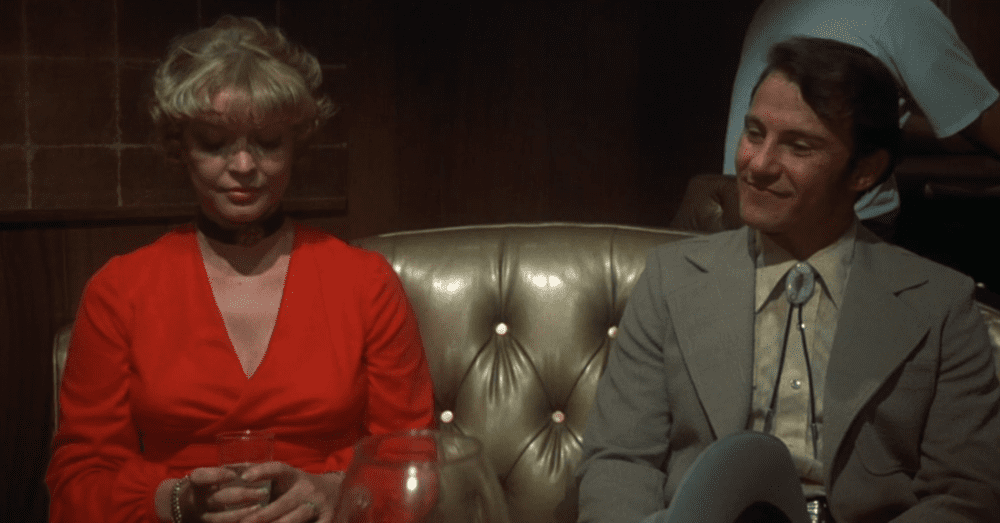
Yeah. I think the moment that she’s, most attractive in the film is actually, when she’s actually looking her most natural, and it’s when she is watching, Chris, like, repairing his fence, and the wind is whipping her hair around, and she’s just looking at him. It’s like that moment where they that they kind of that falling in love moment between the two of them, and I’m sure that has something to do with it. But the way the wind is whipping her hair and everything, I mean, it’s she is just very
Pete Wright:
Very natural.
Andy Nelson:
Yeah. There’s this natural, amazing natural beauty right there.
Pete Wright:
Yeah. No. I absolutely agree. She is very strong in that in that role. Now in this film, she had just done she had just done The Exorcist
Andy Nelson:
Right.
Pete Wright:
But was still fairly early in her cinema career. Yes?
Andy Nelson:
Well She’d done a lot of. Yeah. She had done a lot of TV and she had, she had started doing TV or movies, sorry, in the sixties. Like, she started TV in the in the late fifties and she started jumping into some films as early as ’64 as, what I have found, but nothing very big. Just lots of, bit parts and things.
And then, it wasn’t until the last picture show in 1971, when she played Cybill Shepherd’s mother, Lois Farrow, that really kind of, cracked the, you know, the cinema world open for her and she was able to jump into doing a lot more. She was nominated for, best supporting actress in that film. And from that, she she, went on to do another film with the kind of that, the same producers, the king of Marvin Gardens, which is another really interesting, film that, Bob Rafelson directed, and she’s great in that one as well.
Pete Wright:
With, Jack Nicholson.
Andy Nelson:
Jack Nicholson and, Bruce Dern.
Pete Wright:
And interesting that she turns around and does a couple of years later, comes and does this one with Laura Dern.
Andy Nelson:
With or Diane Laddon.
Pete Wright:
Laura Dern as as an uncredited ice cream eating girl.
Andy Nelson:
Right. Who ate 19 ice cream cones to get that scene.
Pete Wright:
Yes. Exactly. Yes. It’s interesting that she was definitely on the upswing of her career here. I haven’t actually seen the King of Marvin Gardens.
I have seen The Exorcist.
Andy Nelson:
The King of Marvin Gardens is it’s good. It’s it definitely is that the it fits that tone of those seventies films. It’s a very kind of this naturalistic feeling story. It’s a you know, it’s it’s a as I recall, it’s not a an easy film. I think it’s kind of a little bit of a downer, but but I still really
Pete Wright:
like it. Surprised me. The thing I you know, was this he did Five Easy Pieces. Right, Raffleson? Yeah.
That’s one of my that’s one of my favorites.
Andy Nelson:
Yeah. That’s a great
Pete Wright:
Hold it between your knees. Anyhow, so this an it this comes at kind of an interesting place for her. And, I think it really, this this a film that does does well to ground her, in a very sort of human role, Probably the most approachable role of any of those. I mean, she goes to and, yeah, again, speaking I can’t speak of King of Marvin Gardens, but she had done you know? But but this you can sort of see why she ends up ending, you know, with the Oscar here.
Andy Nelson:
Yeah. And it’s interesting because all of these, like Last Picture Show, The Exorcist, Alice doesn’t live here anymore, they’re all, interesting roles for a mother and her child.
Pete Wright:
Mm-hmm. Yeah. That’s a good point. Yeah. The last picture show in particular.
That’s a that’s a
Andy Nelson:
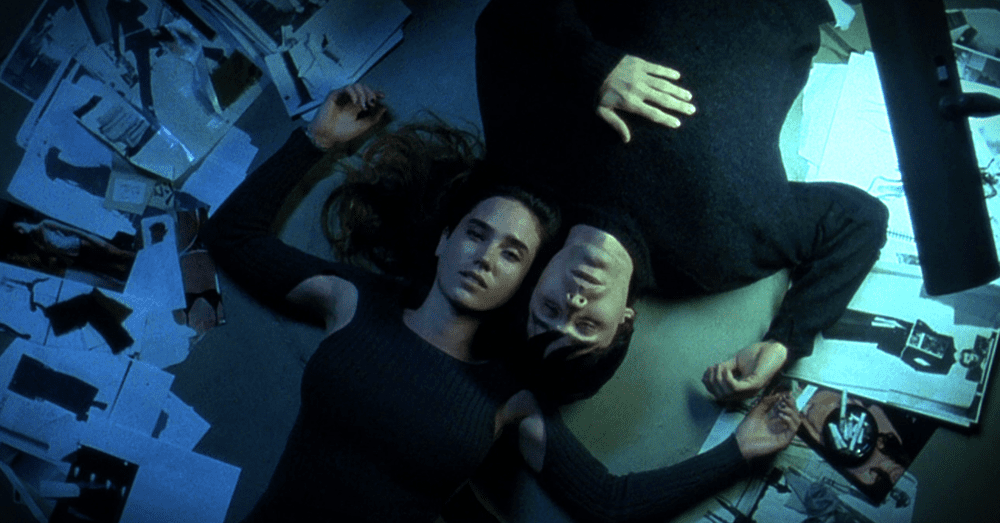
Even even Requiem for a Dream. Mean, you know, the films we’re talking about, it’s interesting that we ended up picking those ones, because it’s always, you know, the way that she’s dealing with this relationship with her kid and how a parent deals with that, how a single parent deals with that. And and they’re very different. I mean, you know, they they all have their protective nature, but they all are are very different parents.
Pete Wright:
Fascinating. I had made that connection. It’ll be interesting to watch Requiem from a Dream coming up Yeah. Again.
Andy Nelson:
Definitely.
Pete Wright:
Alright. How about who would you like to talk to next? How about Alfred Lutter?
Andy Nelson:
Or or okay.
Pete Wright:
Wait. Wait. Wait. You
Andy Nelson:
wanna talk about something else? I was gonna say Kristofferson.
Pete Wright:
Well, I know. Okay. I’m just kinda going down the this her family. Gotta talk about the family unit.
Andy Nelson:
Sure. Absolutely. You know, he’s one of those kids. I think that they, they cast well.
Pete Wright:
He was hard to come by. Yes. Hard to come by looking for, for a kid that, for a kid that can sort of stand up to the dialogue and stand up to the banter, and stand up to being on street on screen with Ellen.
Andy Nelson:
Yeah. It was I mean, he had, I think he was the first kid that actually when when Scorsese asked her when they were doing kind of a casting call, to go off book, he was the first kid who could actually, like, not panic and actually was able to it actually actually helped him perform, as he was able to just kind of be himself and just kind of take this character and do something with it.
Pete Wright:
This comes after a reported 300 boys that Scorsese had had gone through before they found Letter. Crazy.
Andy Nelson:
This seems to be a thing with casting kids. I mean, you really have to look long and hard to find the right kid to, play the role.
Pete Wright:
Yeah. Hard not to think about episode one when you say that.
Andy Nelson:
Yes. Also a lot of kids. But, you know, I what is that movie that he was in? He was in another movie that, you know, I haven’t seen but people say, if you go Jake Lloyd.
Pete Wright:
Oh, Jake Lloyd. Yeah.
Andy Nelson:
If you go watch that movie, you’ll realize that it wasn’t that he was a bad child actor. It’s that George Lucas was not a good director.
Pete Wright:
Yeah. I can see that too.
Andy Nelson:
Yeah.
Pete Wright:
Anyhow, so I think, Alfred Lutter really does live up to, the demands of the role and the film. And as you’re yeah. I think you were so right. He is so annoying in this film, just and and perfectly annoying. Annoying in all the right ways as a 12 year old kid.
I mean, he strikes me, as a very bright, awkward boy who is so bored with this place that he is in with his mother at that, you know, it makes for such an incredibly strong relationship to me. I watch that, and that is that is the strongest relationship on screen in this film.
Andy Nelson:
Oh yeah, it absolutely is.
Pete Wright:
Watching him veg out in front of the TV in the dark on the floor, in one of those early hotel sequences is it’s like I was there because I see it in my house. Right. I don’t see that in my house.
Andy Nelson:
But he went on to be in News Bears, a couple of the Bad News Bears movies.
Pete Wright:
And now he’s a CIO of a computer company. Don’t Don’t know which one. Do you know which one?
Andy Nelson:
I do not. Actually, I see Cumulus Media, but I don’t know if that’s accurate.
Pete Wright:
Alright. Now we can talk about your beau, Kristofferson.
Andy Nelson:
Yes. The beard and all. This was early in his acting career. I mean, he was a guy who had been jumping around quite a bit on a lot of different other sorts of things and he had been doing a lot of, of his singing before he started jumping into a lot of this acting in the early seventies. And his I mean, I think it was, Pat Garrett and Billy the Kid that Scorsese had seen.
He was invited to an early screening of that. It was kind of the director’s cut before the studio went in and had them change it drastically. But he saw Kristofferson in it and was just like, this this would be the guy to get. And ended up talking to him, and Kristofferson was nervous because he hadn’t done I mean, this was very early in his career. He had done a few other little things.
Pat Garrett and Billy the Kid was, I think, probably the biggest at that time. I mean, he’s in Bring Me the Head of Alfredo Garcia, but that’s a pretty small role. And then here he is kind of the romantic lead in, in this film, and it wasn’t quite in his bailiwick. But, know, he was convinced by Scorsese who’s got a a good way with actors and really kind of helps them feel comfortable. And and Christofersen said it really, he worked really well with Scorsese because Scorsese was able to kind of make him feel comfortable and get into the scene and everything and really helped him out.
And I really like him in this. He does have that natural presence always. And it’s there’s just something about him that just he fits in the role of a, kind of this, this rancher. You know? I I don’t know.
You just he seems to be that character.
Pete Wright:
Oh, I could not agree more. He I think he nails that sort of new frontiersman. Right? That seventies frontiersman, the guy who totally lives lives on the land, but is but but, you know, looks fine in a diner.
Andy Nelson:
Right. Absolutely.
Pete Wright:
And I think, you know, this the thing that struck me most is just how well, Kristofferson and, Ellen, make for a couple. Yeah. You know? Like, I found their their on screen pairing really believable and quite charming. And, you know, and I think they they sort of rode that roller coaster really well.
It it’s a little bit frustrating that it happens, you know, kind of so late in the film. I found myself wanting more of it and wanting to see them explore more of that relationship. I think as a result, it moves pretty quickly. Even though, you know, I recognize this very much her story, but but I did find their their partnership great.
Andy Nelson:
Yeah. It it works really nicely, and like I said, that scene when when she’s kind of, falling in love with him while he’s fixing his fence, I mean, it’s equally like that is such a beautiful moment in the film because just the way that they’re interacting and falling for each other, I mean, it works really well on both their parts.
Pete Wright:
I think it does too. The the part that really strikes me though, the sequence that I find more even more charming than that is when he pulls up the truck and he comes in, doesn’t say a word. He leans over to, to, this the boy and whispers something, and they go outside, and she’s watching all the while as they’re doing something. He climbs up on the truck, comes back in and asks to, if he can go. There’s a horse.
He says, he has a horse I can ride. Mom, I gotta go. I’m so bored. Please let me go ride the horse. Let me go ride the horse.
And runs outside as as she looks at him and says, that’s a dirty trick. They have that smile and that little charming exchange that for me is that was the moment where they fell in love right there is right in that five seconds. I love it.
Andy Nelson:
That is another great moment. I do love that moment too.
Pete Wright:
Shall we talk about the who do want talk about next, the waitresses?
Andy Nelson:
Yeah, Diane Ladd. Another of my favorite moments in the film is the moment when Alice and Flo are sitting outside and sunbathing.
Pete Wright:
Yes. Not not only because it’s a great sequence but because it’s really beautiful.
Andy Nelson:
Yeah. I mean, it’s such a beautifully shot scene. I it’s just amazing how, simply Scorsese chose to shoot that. And in a way where it dismisses the environment and it becomes this moment where it’s like we’re in their heads with them, almost where we can pretend we’re on the beach with them.
Pete Wright:
Yes. Yes.
Andy Nelson:
And it’s it’s it’s so beautiful, and it’s just such a great moment between these two who initially started almost, as adversaries because, Alice just couldn’t connect with Flo. I mean, Flo kind of is a little brash and starts off on the wrong foot by, by being a little, overbearing in the way that she is commenting on Alice in the in the, the bar initially, I mean, in the bar in the diner initially. And, but Diane Ladd, I, I really she she always has struck me as a this sort of performer. Like, she does well in these, these sharp tongued sorts of characters.
Pete Wright:
Mm-hmm.
Andy Nelson:
And maybe that’s why I think she works really well as Flo. And as much as I do love Polly Holiday and the TV version of Flo, Diane Ladd is I like the hard edge nature that she brings to flow. It works really well in the film.
Pete Wright:
I couldn’t agree more. I think, you know, they do a great job of, you know, contrast in pretty much all the sequence. I mean, this a a great film of contrast, but all the sequences with the waitresses, I think, are, are are wonderful exercises in contrast where for example, the sequence where they’re, you know, they’re sunbathing. They start with this this close-up and their their faces are in parallel. So, you know, you’re sort of looking at both of their faces in relief.
And, Diane Ladds is slightly ahead, so they’re they’re it looks like they’re on the side of a vase. You know? I mean, it’s it is just really beautiful. And like you said, very simple, and we get to see this whole sequence until they pull out for essentially this great reveal where the two ladies are sitting on, you know, lounge chairs in the middle of a dirt street in an old dark alley. So you’re a bright, I should say, bright sunlit alley, you know, and it’s it’s, it’s just terribly dirty.
It absolutely contrasts with the visual beauty of the rest of the scene, you know, so simple, so straight, you know, really restrained by Scorsese who spends a lot of his time with the camera moving around an awful lot, you know, a lot of handheld and and, you know, almost sort of documentarian. But in this sequence, it’s so simple, and it contrasts so wonderfully with that reveal. I think with the waitresses in particular, they have these wonderful emotional moments, and they have these great moments that are are so sweet and so touching and so loving, and yet they take place in a back alley toilet. You know? And I think that lends to kind of the budding strength of their relationships together, and I that just I think they play it so very well.
Andy Nelson:
Yeah. You bring up the the toilet scene, which is another great moment between the two of them when Yeah. When she’s talking to her. And and that’s another great moment with the Diane Laddin just talking about this cross that she made out of
Pete Wright:
Safety pins.
Andy Nelson:
The safety pins. Yeah. That it’s it’s just this great little, kind of character moment that she adapted into this, into this role that just helps build this character all the more. Mm-hmm. And, yeah.
I just I feel like the writer I mean, I don’t know how much of it came through in the script, but, I mean, obviously, some of it was there. So I think he he tapped into writing these characters well. And then I think you’d put Ellen and Diane into these roles, and they just find ways to inhabit them and build them and create these, just indelible characters that work really well.
Pete Wright:
How about, Valerie Curtin as Vera?
Andy Nelson:
And that’s another one that I think is just I mean, talk about comedy. You know, that’s that’s a role that brings some of the comedy into it because it’s it seems a slightly unrealistic, but in Yeah. Not where it works really well.
Pete Wright:
Of course, Vera plays the worst waitress ever. Right. It’s it’s
Andy Nelson:
a marvel that Mel hasn’t gotten rid of her yet.
Pete Wright:
Oh, boy. It it really is. And she, she just nails it the first time we see or I think the speaking of contrast, again, you know, here we have this wonderful sensitive moment between Diane Ladd and Ellen Burstyn in the toilet. We have, Mel screaming, you know, where are you? Things are going crazy, out there.
We don’t actually see quite how crazy they’re going until late in the sequence. We have it starts off with Vera who’s doing this, like, weird plate shuffle. She’s not able to to really keep up with anything. And eventually, the it leads to a full on revolt, in the diner, that is it it’s so brief and yet and so, you know, like you said, so unbelievable. And yet somehow in the context of these women and this weird this weird diner environment, it fits right in hand to glove.
Andy Nelson:
That is the moment that I bet some TV executive said, look at that. We can make a sitcom out of that.
Pete Wright:
Exactly. I would be surprised if, if if there isn’t a story about how, Vera’s role in this film didn’t somehow directly lead to that sitcom.
Andy Nelson:
Yeah.
Pete Wright:
Right. It was yeah. I mean, she provides so much of that, and it’s almost like silent comedy. Like, she is such a great physical actress in terms of her delivery of really subdued comedy. It’s just really subtle.
Loved it. Loved it. Loved it.
Andy Nelson:
And it’s also just it’s it’s it’s just strange the way that, she’s almost, like, not present sometimes. Like Right. When Tommy, knocks her, bumps into her and she loses her place in her book, And then he goes, sits down, and screams about how bored he is. She goes over and gives him her book, and I can’t remember what the book is. But, I mean, she’s reading a book.
It’s clearly not a picture book, but she’s like, here. You can
Pete Wright:
you can color it in.
Andy Nelson:
So it’s
Pete Wright:
But but I think that the, you know, most interesting part of that sequence is not just that she loses her place in the book, but that she throws a a plateful of food on the ground, and the first thing she comes back to is, here, you can look at my book. There is no acknowledgment by her that she just threw a plate of
Andy Nelson:
food on the ground. Right.
Pete Wright:
It was really, really, really good.
Andy Nelson:
Yes.
Pete Wright:
How about Vic Tayback?
Andy Nelson:
He’s Mel. I mean, I you know, he’s he’s this guy who’s just like, I know he’s had this career, and he’s done all these other appearances and all these things, including Star Trek. Yeah. He will always be Mel, and that’s it in my head.
Pete Wright:
I agree. And that’s you know, it’s sad, but he was he’s just really good.
Andy Nelson:
He is. He’s he is that guy who runs a diner.
Pete Wright:
Bullet and Papillon. And I just the guy was he’s got look at this. IMDb’s got a 146 credits, and yet he’s still Mel.
Trailer:
Yep.
Pete Wright:
TJ Hooker. He is, he, you know, he brought that hat. Did you see the story of the hat?
Andy Nelson:
I did. Cap. Story of the hat.
Pete Wright:
So he’s he is known you know, he’s he wears this iconic white cap in the film, and that’s a that’s a they it is called the in the navy, it’s called the white cap. And he was in the navy, and he he brought that little character bit, to the show. He defiles it on his own head in the show, and and, that is a sign of as the story goes, he had the hat when he, you know, he and his fellow, cooks in the navy had wore that hat. That was his, you know, one of the roles he played in the navy. And so they wore their hats, and after a long hot day in the kitchen, they’d start to roll up the sides of the hat and violate the very strict, dress code of the white cap.
And he brought that to the show and was apparently very proud of being able to, to bring that hat and that, you know, that little bit of his personal history to that character of Mel in the show. And I you know, I you see that hat. You take that hat off his head and he’s back in Hawaii Five-zero.
Andy Nelson:
But
Pete Wright:
as soon as you put that hat on, the white t shirt, he’s Mel through and through. Iconic. It
Andy Nelson:
is totally iconic. So funny.
Pete Wright:
Who else is important to you?
Andy Nelson:
Well, it’s nice to see Jodie Foster in an early appearance. Wow. Although I I’ve gotta say it’s a really weird performance, and I it’s not one that sticks in my head. And, you know, other than she says weird a lot.
Pete Wright:
Weird. Weird. Weird. She you know, this character of Audrey, I you know, I that’s an interesting speaking of awakenings, know, we talked about this whole film being a film of awakenings. The the awakening that happens between, you know, Audrey and Tommy is another really interesting one where Audrey, you know, essentially is, you know, she’s the bad influence, and she takes him and gets him drunk.
This this after he’s actually kicked out of the car by his mother. So there are all sorts of bad decisions along the way.
Andy Nelson:
Yeah. Yeah.
Pete Wright:
But but eventually ends in in nontrivial amounts of regret as Tommy gets drunk in the hands of Aubrey or Audrey and and goes to prison. But he you know, we get to see prison. He goes to prison. This 12 year old goes to prison. He goes to the police station for for a spell and gets very, very sick and throws up on himself.
And and, you know, we get to see I mean, that’s a that’s early for an awakening like that, but it somehow is not out of out of context in this environment, and Audrey clearly is a girl beyond her years.
Andy Nelson:
Right.
Pete Wright:
Right. I think Jodie Foster plays it very well, predictably well. She was a wonderful child actress and played dark exceedingly well, for her age.
Andy Nelson:
Yeah. She she balanced it pretty well between the early Disney films that she did and this and taxi driver.
Pete Wright:
That’s right. Taxi driver. Good grief. Oh, yeah. Yeah.
Which is interesting because she’s in this role. Right? And one of the, you know, one of the stories from, and I guess it’s because this this girl was a little bit, you know, young, but one of the challenges that Scorsese had in, you know, was with young Alice, Mia Bendixsen, because he got in a big fight with a welfare worker, shooting the opening sequence. Do you see this one? Mm-mm.
They had built this set, this, sort of the Wizard of Oz set, for $85,000 and had spent days building the set. And what they needed, was this kid to come in and say, blow it out your ass. But the welfare worker threw a fit and said, can’t have this child save that line. You can’t have you just can’t have this child say that line. You can’t that’s gotta you gotta strike that.
And he says, I’m not gonna strike that. I can’t strike that. That’s, like, why we built this set. It is so important. And, you know, having this young Alice say that line to set up her character for the rest of the film, we have to say that line.
And the welfare worker said, you can’t have her say that line. That’s it. It’s over. Well, the, they went on and shot it a few more times. And as it turns out, the first time they had her say those lines, they were rolling the film, and that ends up being the take that they go with.
So they went with it anyway, but that was a one take kind of a thing. That was the first take on the first, you know, walk on that set, and, you know, just lucky that the welfare worker hadn’t read the script first.
Andy Nelson:
Jeez.
Pete Wright:
But I find it so interesting that they have that trouble with the welfare worker here in this opening sequence, and Jodie Foster is sitting here, you know, kind of doing the giving the performance that she gives. She’s a little bit older than young Alice by a couple of years and so I probably gets away with more, I just find it very interesting, you know, that they get upset about some things with children, but not some others.
Andy Nelson:
Yeah, right. It makes you wonder how often those welfare workers are actually on set. Pay attention to these things. Somebody was distracted at the craft service table I think.
Pete Wright:
I’m not saying welfare service workers are heavy. No. No. Never. Stop.
Okay. Who else do we wanna talk about? Anybody else on the in the cast that’s important to you?
Andy Nelson:
Well, Harvey Keitel is definitely, important to talk about. Boy, I tell you, I mean, you know, early Scorsese, he he fits right in there with, you know, the early Scorsese world. I mean, he really, was kind of a key part of Scorsese’s early work, and it’s nice to see him here. And it’s amazing how he goes from a character who is so nice, and you’re like, okay. This a nice guy.
I could totally see her with this guy, to one of the most frightening characters that he’s played. I mean, I really think that Ben is just a terrifying character.
Pete Wright:
Because of that contrast. Again, because he goes so far, so fast, and he’s not in the film very long. You know? He’s in just in this one little sequence. But but when he comes to the house and I think I may have a sensitivity to this anyway.
Like, I feel like I have a natural sensitivity to somebody, like, you know, violating a home. But because the of the way they place the camera down that long sort of lateral wall toward the front door, which is made of way too much glass, frankly
Andy Nelson:
Yeah.
Pete Wright:
It it makes for a very haunting, terrifying invasion, as he comes to to threaten these women.
Andy Nelson:
It’s it’s horrifying. And his little speech that he gives her, you know, well, it I mean, first of all, Ellen is, I mean, this is, you know, as great as she is through her performance and the relationships, her the way that she plays the terror Mm-hmm. In that scene when he’s confronting her and just the look on her face as she is trying to kind of please him so that, you know, as far as like, yes, I’ll still get together with you tonight, that whole thing. I mean, that’s that’s, you know, true, acting chops right there. I mean, it’s pretty pretty powerful to watch that.
I mean, she’s just, does it so well, and he is so frightening there. And then a little bit with the scorpion about, you know, you know, you don’t mess with it or it’s gonna kill you. Mm-hmm. It’s like, yeah. I believe that.
Pete Wright:
And then, you know, she messed with it. Right? After setting up the equation, if you mess with the scorpion, it will kill you, and you know she just messed with it. Right? That threat, that implied threat is it it’s made so much more terrifying.
And he just shaking and sweating. Scary dude.
Andy Nelson:
Yeah. He was he’s good. He’s good. He hasn’t worked with Scorsese in a long time though, has he?
Pete Wright:
Gosh. No. Because all these other all these early movies were were seventies. What else did he do? Anything in the No, it’s been a long time.
Andy Nelson:
It has been a very long time since they’ve worked together. Yeah, they should work together Interesting.
Pete Wright:
Okay.
Andy Nelson:
Interestingly enough, Ellen Burstyn had a TV show in the mid eighties called the Ellen Burstyn Show. It only lasted one season but Harvey Keitel was in that.
Pete Wright:
He was the guest. You didn’t happen to look it up, did you? No. I didn’t. I didn’t see it.
But I had no memory until I saw that in her credits list that she even had a television show.
Andy Nelson:
Yeah. Yeah. Interesting.
Pete Wright:
There’s nobody else that really strikes me as
Andy Nelson:
The only other person that I think we should talk about is Scorsese.
Pete Wright:
Well, of course. Yeah. Yeah. Yeah. Well, so what do you think of early early Scorsese?
Andy Nelson:
Well, this a really interesting one. I mean, it’s it doesn’t fit his body of work that well. I mean, you know, interesting coming off the Coen Brothers series and talking about their comedy versus their their drama and how you look at something like Raising Arizona and it seems to fit because they keep going back and forth so much. Scorsese never really went back and did other films that really focused on women in his career. I mean, he certainly had, you know, New York New York had kind of that romantic love story going on.
But this one really focused on women, and he never touched on that again. I don’t know. Age of Innocence maybe? I guess you could, I guess you could say in that film it does. But, to me, it still seemed like, Daniel Day Lewis’ story.
I feel like he really has it’s it’s it’s an interesting little footnote in his career that I think is, I think a solid film that he made. I mean, Ellen Burstyn, when she was interviewing him as a director, she said, well, what do you know about women? And he said, nothing, but I want to learn. So she felt that was the right attitude. He this a smart guy who wants to you know, he he’s a storyteller.
He wants to take on new and different things, and he never went back to really focus on the story of female characters. But I think he did really good in this role for this film.
Pete Wright:
I do. I find it so interesting just, you know, not necessarily looking at what, you know, at his choices, you know, to or not to, take on films that are, you know, primarily led by, you know, female characters. But this, but the grit that he brings, the Scorsese ness that he brings to this film. You know, you mentioned early on that that, one of the things that Burstein did not like about the original script was that it was too slick, that it was it was too, you know, I think she she said it was too, Rock Hudson, for for her, and she wanted something with more grit. And I boy, can you feel, what Scorsese brought to this film of his own sort of natural instincts, that grit, that dirt, that heat, that sort of, you know, I mentioned that generally the camera work, you know, is very sort of you see some really interesting, and dynamic movement with the camera in what is otherwise such a human film, but the follow shots, you know, the standing up and following, you know, Ellen through the house, you know, feeling like they have they have really compressed these spaces even further by making the camera movement feel, so constrained and yet always orbiting, you know, the primary character in a sequence, think, is it ends up being really, powerful.
Andy Nelson:
There’s some and some great moments also where she’s, playing on the piano, and it’s moving around her, circling around her and stuff. And so, yeah, I completely agree. It it it’s it still has it may be a toned down level of that alive camera movement, but it’s definitely still there and I it definitely still feels like Scorsese had his hand in it.
Pete Wright:
And you can you can feel like you get a sense with you take Scorsese out of it. You can see what the film would have been. Right? You can sort of feel the you know, I can see what this could have. It’s sort of a cookie cutter, you know, static kind of, you know, kind of visual, but no, this feels as much like a Scorsese film as does Mean Streets or The Color of Money or, you know, etcetera.
Andy Nelson:
Exactly. Yeah. I
Pete Wright:
love the Scorsese.
Andy Nelson:
I do too. Do too. And then he went on to do your favorite
Pete Wright:
after this. Well, I I don’t know. You know, I do. I mean, I do. I like Scorsese, but I don’t like all Scorsese.
Yeah. At least we could see how he put Jodie Foster to work. Know, if you can do Alice Right. I got some ideas. How would you like to play a hooker?
Andy Nelson:
He is the most nominated living director right now. He’s been nominated for best director eight times thus
Pete Wright:
far. Wow.
Andy Nelson:
Yes. He’s
Pete Wright:
And he’s won once?
Andy Nelson:
He’s won once for The Departed. Yeah.
Pete Wright:
The Departed.
Andy Nelson:
Yeah.
Pete Wright:
Crazy. Interesting.
Andy Nelson:
Yeah.
Pete Wright:
Golden Globes have been kinder to him.
Andy Nelson:
Yeah. Yeah. It’s it’s one of those things. Yeah. There there there’s always the argument about 1980 in Raging Bull and why he didn’t win that year, but
Pete Wright:
oh, well. Yeah.
Andy Nelson:
What are you gonna do?
Pete Wright:
What are you gonna do? Alright. Anybody else you wanna talk about specifically? No.
Andy Nelson:
I think that’s it.
Pete Wright:
That’s that’s that’s the hot stuff for this film.
Andy Nelson:
Yes indeed.
Pete Wright:
Good film. Good way to start off. I’m glad we’re starting out of order.
Andy Nelson:
I like to.
Pete Wright:
Easing into the bursting.
Andy Nelson:
Yes. This a this a great one. It well, and I think this just for Ellen Burstyn. I think this really such an iconic film in her career because because of everything it represents for her and for this story about a woman.
Pete Wright:
Mm-hmm. Totally agree. Yeah. I think we should talk about some numbers.
Andy Nelson:
Yeah. Let’s do it.
Pete Wright:
How’d it do?
Andy Nelson:
It it did, you know, it did well for itself. I mean, this film, from what I found, cost about $1,200,000 to make. That’s about $5,600,000 in today’s dollars, and it ended up making, let’s see, about it made about 21,000,000. So, I mean, that’s
Pete Wright:
a that’s
Andy Nelson:
a nice little markup there, and that’s adjusted about almost a $100,000,000 that it made. When it, when you boil down to profit per finished minute adjusted, it’s about $840,000 per finished minute. So, yeah, yeah, it’s it’s number 50 on our list. So it’s yeah. It made money and it kept that Scorsese working.
Pete Wright:
Where is do you know if there’s a similar, like, box office mojo, like, budget site for television series?
Andy Nelson:
Television series is really the budgets for those are really elusive.
Pete Wright:
I just what about like grosses? Like in let’s just say in syndication. I wonder which which is more profitable.
Andy Nelson:
The TV show? I you know, I don’t know. I have such a hard time finding television information.
Pete Wright:
Me too. I know nothing about it. I really know nothing about entertainment television, so I have a hard time figuring that out. But I’d be interested to know over the total run, they did 202 episodes of that show. I have to imagine that it made more money than the than the movie did.
Andy Nelson:
When it ran as long as that one ran, nine years.
Pete Wright:
Nine years.
Andy Nelson:
Say that it’s a that probably ended up banking a little more.
Pete Wright:
I was gonna make some crack about sequels, but then I realized he sorta got a sequel.
Andy Nelson:
Yeah. Right.
Pete Wright:
Very profitable. That was that was the whole story I was gonna tell. I’m gonna give up on that one. Alright. I think we should rank it.
Andy Nelson:
Let’s do it.
Pete Wright:
Let’s do it. Head over to FlickChart, everybody. Flickchart.com slash The Next Reel, and you can see if our favorite movies line up with your favorite movies. And let’s see if Alice Doesn’t Live Here Anymore breaks the top 67.
Andy Nelson:
Alright. Let’s let’s see. Alice Doesn’t Live Here Anymore or O Brother, Where Art Thou?
Pete Wright:
O Brother, Where Art Thou?
Andy Nelson:
Yeah. And it’s not in the top 67. Okay. Alice doesn’t live here anymore or The Adventures of Baron Munchausen.
Pete Wright:
Alice doesn’t live here anymore.
Andy Nelson:
Yeah. Yeah.
Pete Wright:
That’s a hard decision for you?
Andy Nelson:
Well, it’s it’s Baron Munchausen, but, you know, I’ll I’ll still go with Alice. I think yeah. Alice doesn’t live here anymore or Pale Rider?
Pete Wright:
Pale Rider.
Andy Nelson:
Yes. Pale rider. Alice doesn’t live here anymore or the adventures of Buckaroo Banzai cross eighth dimension. I’ll I’ll say Alice.
Pete Wright:
I’ll say buckaroo. Will you? Mm-hmm. Pretty firmly.
Andy Nelson:
Alright. I think
Pete Wright:
we need to I think we need to run off.
Andy Nelson:
Let’s do it.
Pete Wright:
Alright. Ready?
Andy Nelson:
Yep. One. One, two,
Pete Wright:
three, rock.
Andy Nelson:
One, two, three, rock. Scissors.
Pete Wright:
Crush you.
Andy Nelson:
Alright, buckaroo. Alice doesn’t live here anymore or red belt. I’ll do Alice.
Pete Wright:
I’m on the fence so I will give you Alice.
Andy Nelson:
There we go. Alice doesn’t live here anymore or Splash? I will do Splash.
Pete Wright:
I will also give you out of great generosity, Splash.
Andy Nelson:
You’re a giver. I’m a giver. Alright. That puts us at one sixteen out of one sixty one.
Pete Wright:
Alright. It’s a good film. It’s worth seeing.
Andy Nelson:
Definitely is a good film.
Pete Wright:
But that feels, that feels about right, and I think my wife would agree with that placement, probably for different reasons. This a good way to start. And so we’ve already we’ve already teased where we’re going from here. Give us a a little bit of a preview of, The Exorcist. Can you do any of the roles?
Andy Nelson:
Can you help out him poor altar boy father? How’s that?
Pete Wright:
Yes you can. Well done. I didn’t expect that. So we’re doing The Exorcist And I’m pretty I’m pretty excited about that with which was done before this film. But I think it what are you looking forward to?
That’s what I wanna hear. What are you looking forward to about The Exorcist?
Andy Nelson:
We’re just pretty much everything. It’s one of my favorite horror films. It’s I think it’s rock solid, and terrifying and really kind of just unique in the in the storytelling style that they went with for this horror. Friedkin, I think, is speaking of going back to the seventies, really had a good sense of that naturalistic vibe. Look at French Connection.
Look at The Exorcist. Look at Sorcerer or anything he did in the seventies. I think he really, tapped into that very well. And I think, there’s something about this film that, it’s just always just so downright creepy.
Pete Wright:
Truly. Truly, truly. Very much looking forward to it. So that’s next week. Until then, I gotta go to bed.
Andy Nelson:
Alright. I’m gonna head down to Mel’s and grab a burger.
Trailer:
I
Pete Wright:
have reader Carolyn, and, she writes, if you like to hear dysfunctional people screaming and yelling at each other, constantly arguing, and a woman volunteering to be a victim of abuse for herself and her son, you’ll love this movie. The the kid is very irritating, constantly complaining and whining, but we have to remember that he never had proper adult role models in his life. His stepdad verbally abused him while his mom did nothing to stop it, and his mom was a complete airhead who had no idea what it took to be a nurturing parent. The restaurant scenes were just as bad, disgusting. And seen.
As in the restaurant was disgusting? I don’t
Andy Nelson:
It looked pretty clean to me.
Pete Wright:
I don’t I don’t know. I don’t know. I that there was a I don’t know what was disgusting, but there were apparently there were some elements that were arguably disgusting.
Andy Nelson:
That’s funny.
Pete Wright:
But it sounds like a recommendation. If you like dysfunctional people screaming at each other Yeah.
Andy Nelson:
This the movie for you.
Pete Wright:
Volunteering for abuse, you will love this movie. Take it from reader Carolyn.
Andy Nelson:
Well, my Amazon review is by Gloria j Williams, quote, Chris Glow is her nickname Mm-hmm. Who only gave it two stars. She said she was disappointed with this one. I should have known. Filmed in 1974, it has nothing to offer.
That’s that’s pretty harsh. 1974. I just watched it on Turner Classic Movies. Everyone is praising this film. How come?
It is a dreary account of a widow trying to get to Monterey, California to be a singer. Her 12 year old son is a spoiled, obnoxious, foul mouthed brat, and she is so naive. It is ridiculous. She does absolutely nothing to parent her son. The problem being she is trying to be his friend, not his mother, which would not be typical behavior of a woman of her generation.
It was disgusting. I will not be buying this one. I do not recommend it to anyone unless it is to show how not to bring up a child.
Pete Wright:
So apparently, she thought it was disgusting too.
Andy Nelson:
Yeah. Well, she apparently has something against films made in 1974.
Pete Wright:
Yeah. ’74 a phobia? That’s a thing?
Andy Nelson:
It is now.
Pete Wright:
Wow. Amazon.