
Viridiana
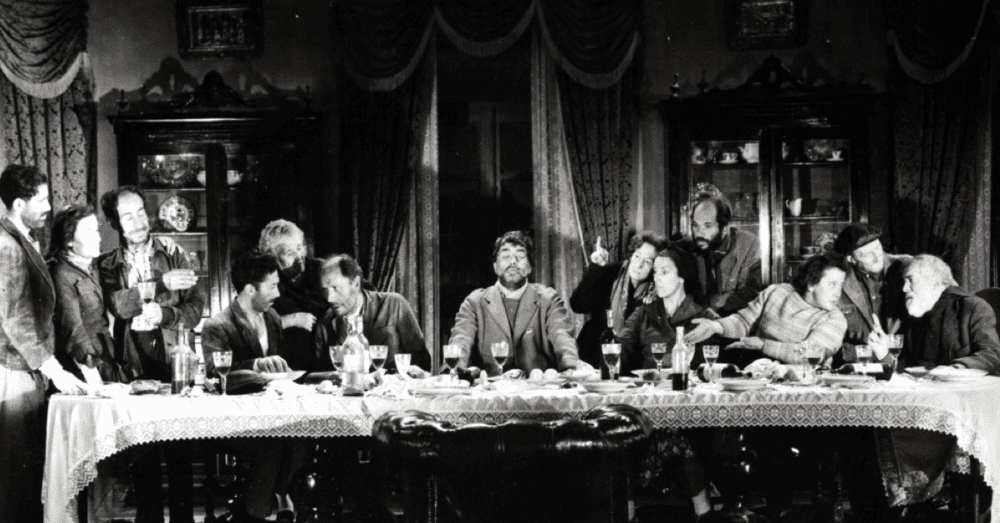
It’s time for another Listener’s Choice episode, and boy, do we have a doozy this week. Listener Diego Luis Contreras López wanted us to talk about a film from Spain and settled on Luis Buñuel’s return to his home country (and immediate departure thereafter) with his 1961 film “Viridiana.”
Join us – Pete Wright and Andy Nelson – as we delve into our sixth listener’s choice with “Viridiana.”
The Wind Rises
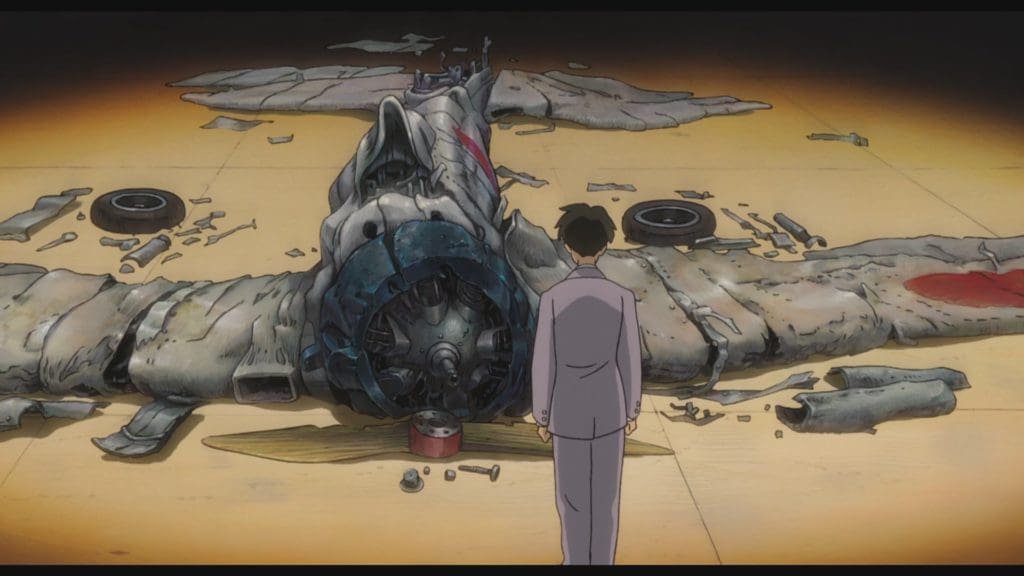
With the 2013 release of “The Wind Rises,” his eleventh feature film, Hayao Miyazaki retired from making his beautiful animated films. Animation fans worldwide were disappointed to hear this, yet thrilled to see him go out on such a high note. Join us – Pete Wright and Andy Nelson – as we close our Miyazaki series with his final film “The Wind Rises.”
My Neighbor Totoro
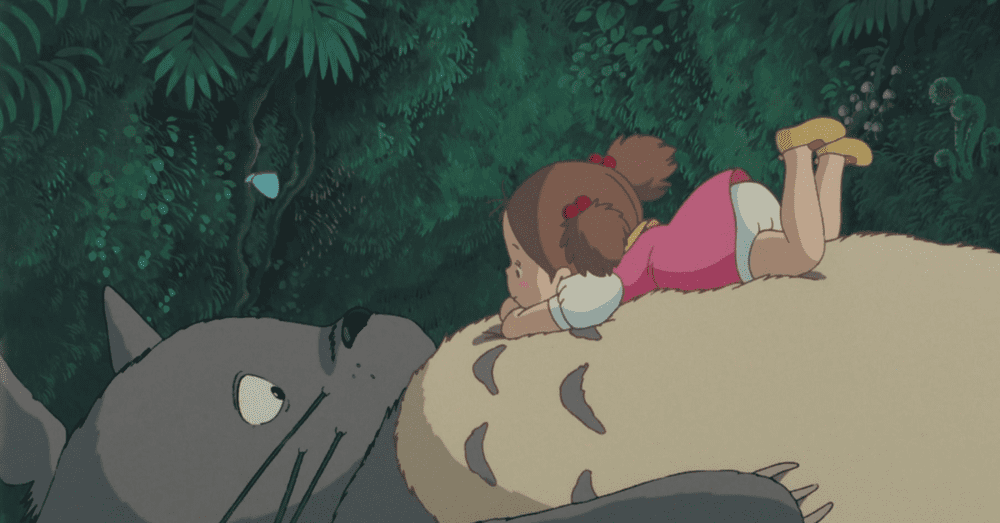
With “My Neighbor Totoro,” Miyazaki’s third feature film and second he directed under the Ghibli banner, it was crystal clear what Miyazaki wanted to bring forth from his films — the relationship between man and nature, the purity and innocence of youth and the imaginative look at characters who didn’t quite fit the world as we know it. Join us — Pete Wright and Andy Nelson — as we continue our brief Miyazaki series with his 1988 film, “My Neighbor Totoro.”
Lupin the 3rd: The Castle of Cagliostro
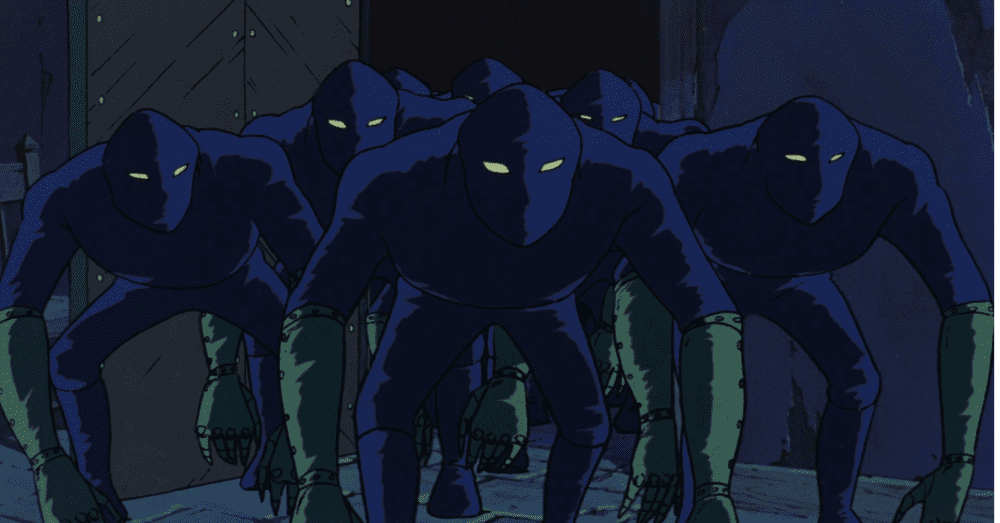
Hayao Miyazaki began his career with television and it was the show “Lupin III” that gave him the chance to direct both for the small screen as well as for the big screen with the second story about Lupin the Third in 1979. Join us — Pete Wright and Andy Nelson — as we begin our short Hayao Miyazaki series with his first theatrical feature film, Lupin the Third: The Castle of Cagliostro.
Children of the Corn
Stephen King may not like the film version of ’Children of the Corn,’ but considering it spawned 7 sequels and a remake, we’d like to think that he’s at least making a decent profit on his short story from 1977. This movie started careers for Linda Hamilton, Courtney Gains, John Franklin and Peter Horton and has created quite the cult following, no matter what King — or we — think of it. Join us — Pete Wright and Andy Nelson — as we wrap up our Naughty Children series with this movie.
The Innocents
Jack Clayton’s 1961 film “The Innocents” really feels like the first in this series that’s got real scares in it, and scares that still hold up today. Martin Scorsese even put it on his list of 11 most scary films. And a lot of that is because of the atmosphere Clayton and his screenwriters (mostly Truman Capote) created with this adaptation of Henry James’ “The Turn of the Screw.” Join us — Pete Wright and Andy Nelson — as we continue our Naughty Children series with “The Innocents.”
Village of the Damned
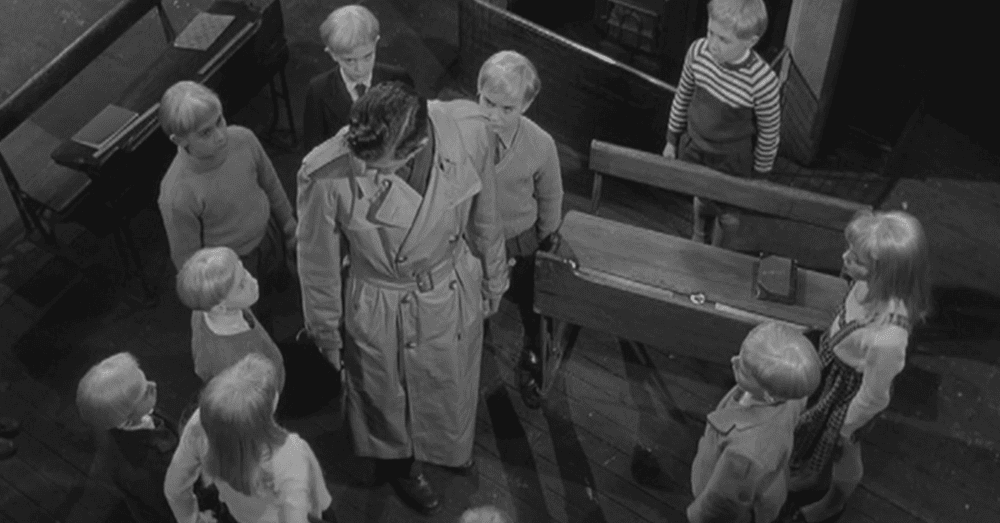
John Wyndham’s 1957 novel “The Midwich Cuckoos” is the foundation for Wolf Rilla’s 1960 film “Village of the Damned.” It’s hard to say which title may actually be worse, but the story in both seems to work for most people. It’s a decent sci-fi story that, while dated, creates an interesting scenario with all the women in a village being impregnated at the same time by some alien force. Even with that interesting scenario, however, for every element that works in favor of the film, there seems to be another working against it. At least with today’s eyes. Join us — Pete Wright and Andy Nelson — as we continue our Naughty Children series with Rilla’s 1960 film “Village of the Damned.”
The Bad Seed
It’s October, which means it’s time for some scares! This year, we’re celebrating with those lovable little children who just are downright bad. Our first film of the series gives us a young girl who turns out to be a malicious killer, but only because it’s her way to get the things that she wants. Join us — Pete Wright and Andy Nelson — as we kick off our Naughty Children series with Mervyn LeRoy’s 1956 classic “The Bad Seed.”
Snowpiercer
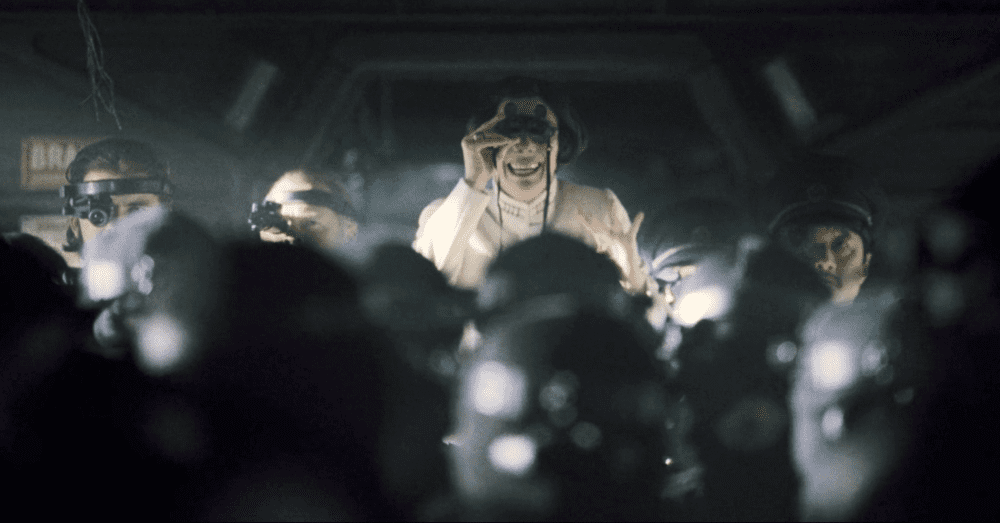
Bong Joon-ho’s “Snowpiercer” made waves upon its US release because its distributor decided to give it a limited theatrical release the same day they released it digitally. It was a risky move. By shutting this window, “Snowpiercer” could have left theatre owners in the cold and been deemed not worth watching because of the “straight to video” tarnish. But it found an audience in both formats and became a surprise hit. Join us — Pete Wright and Andy Nelson — as we finish our Bong Joon-ho series with his 2013 film “Snowpiercer.”
Mother
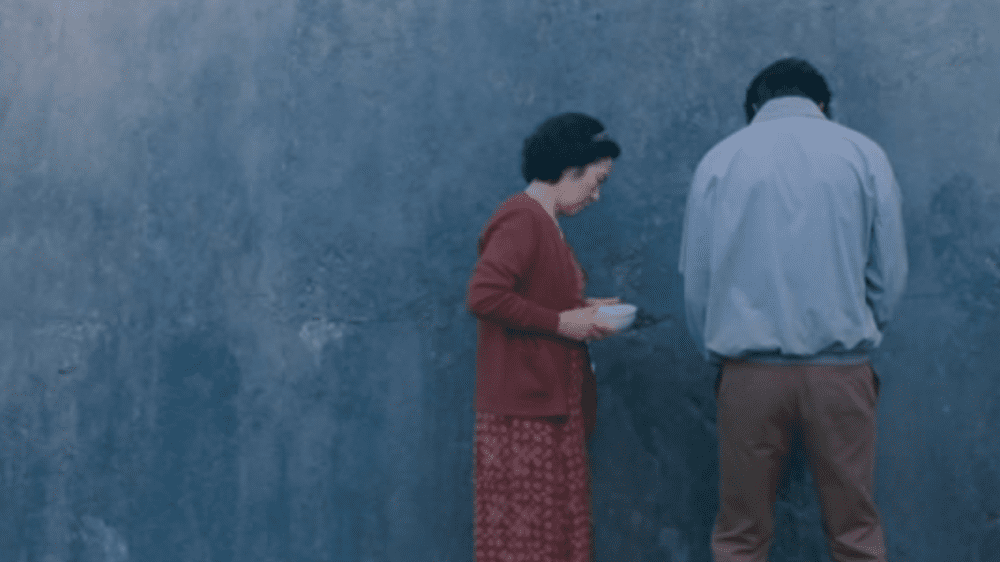
Bong Joon-ho’s follow-up feature to his massive success “The Host” was about a murder and the person trying to figure out what happened. To some people, it sounded awfully like his second film “Memories of Murder” and they were afraid he was returning to the safety of familiar territory. But 2009’s “Mother” ended up being a very different film and one which is hard to forget. Join us — Pete Wright and Andy Nelson — as we continue our Bong Joon-ho series with “Mother.”