
Lupin the 3rd: The Castle of Cagliostro
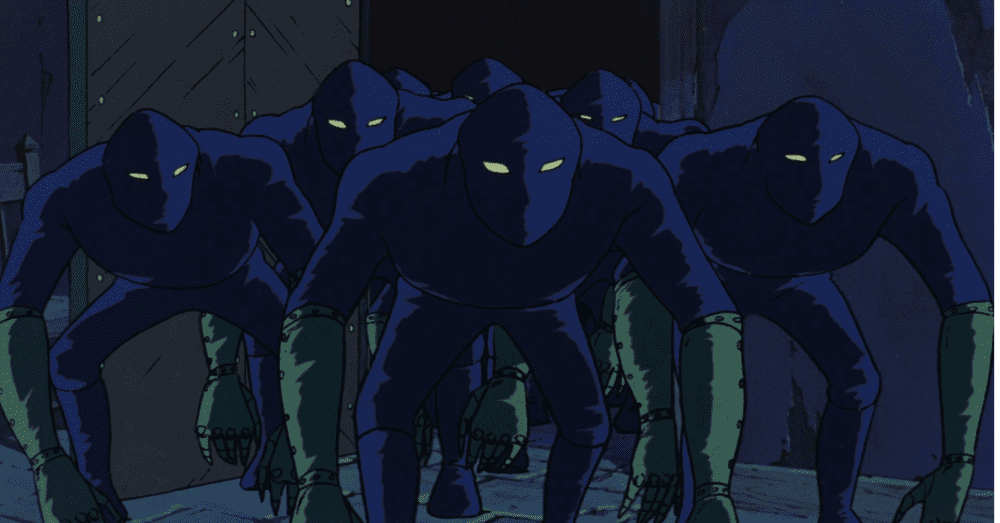
Hayao Miyazaki began his career with television and it was the show “Lupin III” that gave him the chance to direct both for the small screen as well as for the big screen with the second story about Lupin the Third in 1979. Join us — Pete Wright and Andy Nelson — as we begin our short Hayao Miyazaki series with his first theatrical feature film, Lupin the Third: The Castle of Cagliostro.
Children of the Corn
Stephen King may not like the film version of ’Children of the Corn,’ but considering it spawned 7 sequels and a remake, we’d like to think that he’s at least making a decent profit on his short story from 1977. This movie started careers for Linda Hamilton, Courtney Gains, John Franklin and Peter Horton and has created quite the cult following, no matter what King — or we — think of it. Join us — Pete Wright and Andy Nelson — as we wrap up our Naughty Children series with this movie.
The Innocents
Jack Clayton’s 1961 film “The Innocents” really feels like the first in this series that’s got real scares in it, and scares that still hold up today. Martin Scorsese even put it on his list of 11 most scary films. And a lot of that is because of the atmosphere Clayton and his screenwriters (mostly Truman Capote) created with this adaptation of Henry James’ “The Turn of the Screw.” Join us — Pete Wright and Andy Nelson — as we continue our Naughty Children series with “The Innocents.”
Village of the Damned
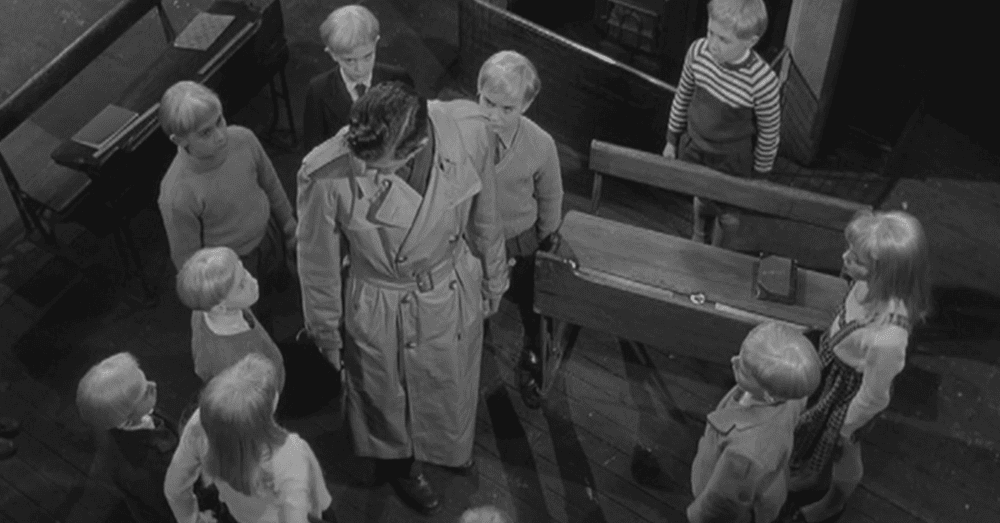
John Wyndham’s 1957 novel “The Midwich Cuckoos” is the foundation for Wolf Rilla’s 1960 film “Village of the Damned.” It’s hard to say which title may actually be worse, but the story in both seems to work for most people. It’s a decent sci-fi story that, while dated, creates an interesting scenario with all the women in a village being impregnated at the same time by some alien force. Even with that interesting scenario, however, for every element that works in favor of the film, there seems to be another working against it. At least with today’s eyes. Join us — Pete Wright and Andy Nelson — as we continue our Naughty Children series with Rilla’s 1960 film “Village of the Damned.”
The Bad Seed
It’s October, which means it’s time for some scares! This year, we’re celebrating with those lovable little children who just are downright bad. Our first film of the series gives us a young girl who turns out to be a malicious killer, but only because it’s her way to get the things that she wants. Join us — Pete Wright and Andy Nelson — as we kick off our Naughty Children series with Mervyn LeRoy’s 1956 classic “The Bad Seed.”
Snowpiercer
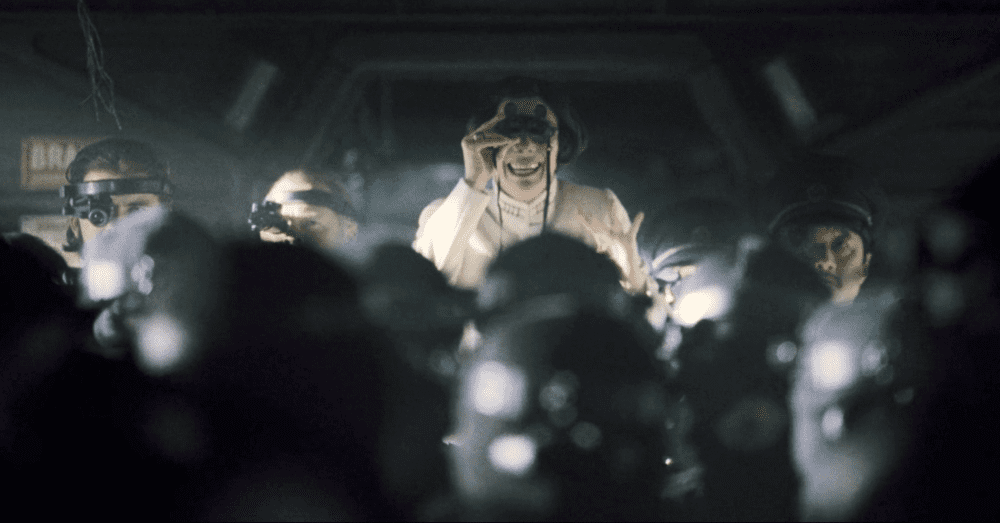
Bong Joon-ho’s “Snowpiercer” made waves upon its US release because its distributor decided to give it a limited theatrical release the same day they released it digitally. It was a risky move. By shutting this window, “Snowpiercer” could have left theatre owners in the cold and been deemed not worth watching because of the “straight to video” tarnish. But it found an audience in both formats and became a surprise hit. Join us — Pete Wright and Andy Nelson — as we finish our Bong Joon-ho series with his 2013 film “Snowpiercer.”
Mother
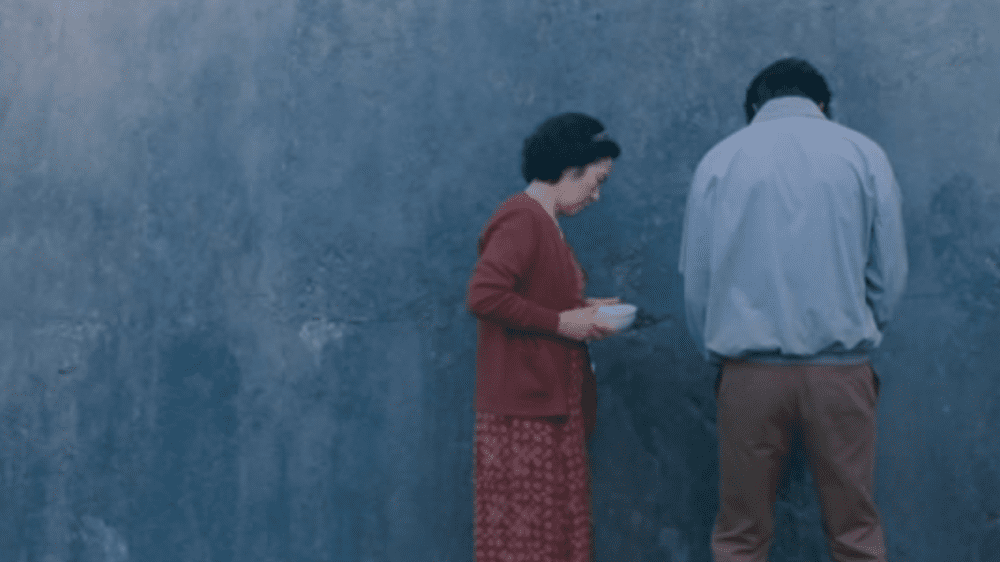
Bong Joon-ho’s follow-up feature to his massive success “The Host” was about a murder and the person trying to figure out what happened. To some people, it sounded awfully like his second film “Memories of Murder” and they were afraid he was returning to the safety of familiar territory. But 2009’s “Mother” ended up being a very different film and one which is hard to forget. Join us — Pete Wright and Andy Nelson — as we continue our Bong Joon-ho series with “Mother.”
The Host
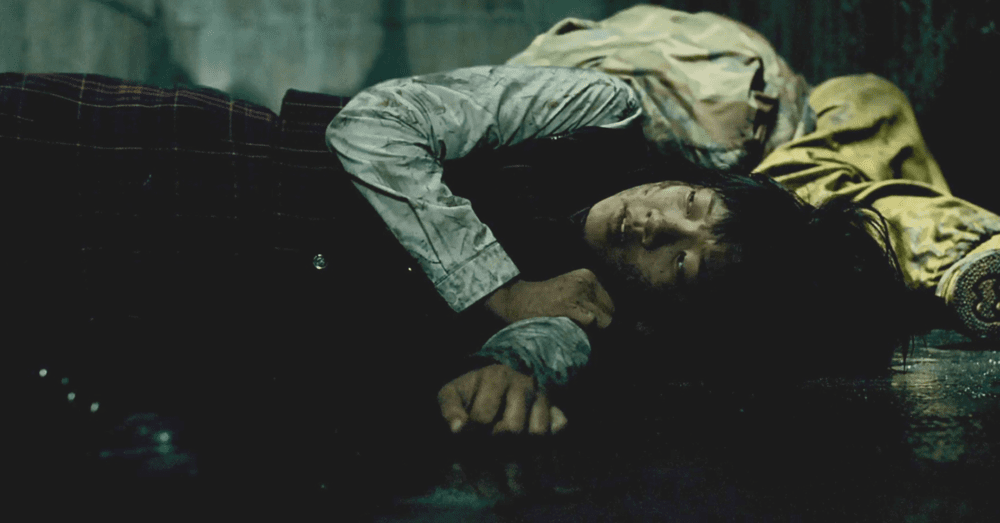
Bong Joon-ho’s third film, “The Host,” ended up becoming the highest grossing South Korean film of all time straight out of the gate with it playing on a record number of screens in its home country — it made the South Korean record books with its box office performance during its opening weekend alone. Quentin Tarantino loves it. Harry Knowles loves it. But how do we feel about it? Join us — Pete Wright and Andy Nelson — as we start our Bong Joon-ho series with 2006’s “The Host.”
Sophie’s Choice
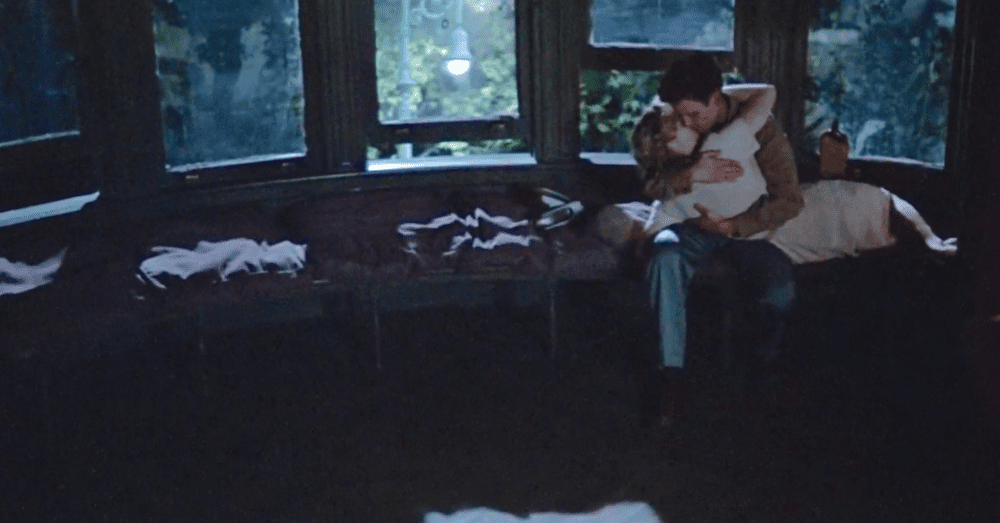
When a choice is referred to as a “Sophie’s Choice” most people understand that the choice must be an impossibly difficult one between two unbearable options. But if it wasn’t for Meryl Streep’s performance in the 1982 film directed by Alan J. Pakula, that phrase wouldn’t resonate the way it does. Join us — Pete Wright and Andy Nelson — as we conclude our Meryl Streep series with the film for which she received her fourth Oscar nomination and first win as Best Actress, “Sophie’s Choice.”
The French Lieutenant’s Woman
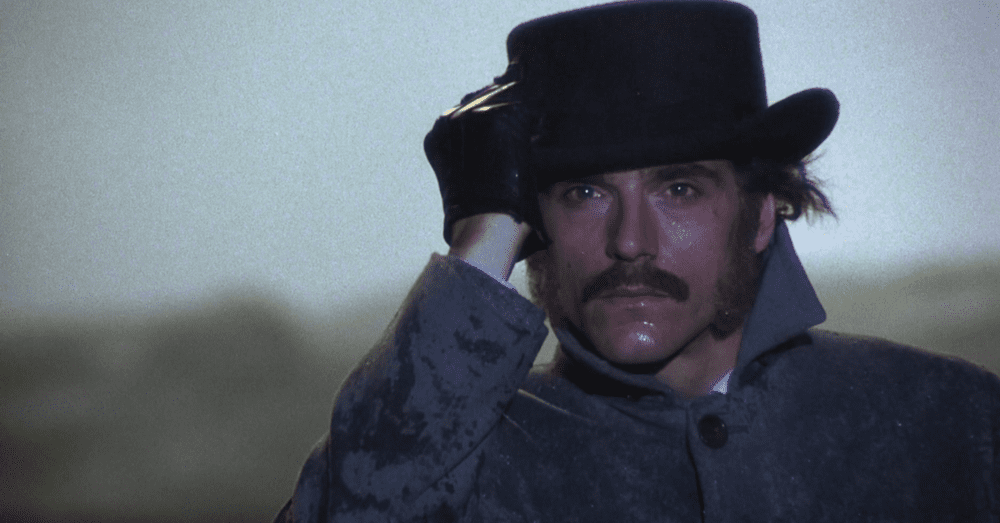
Meryl Streep received her first nomination for Best Actress in a film that one would think had been lost in time if not for the recent Criterion Collection release — Karel Reisz’s 1981 film “The French Lieutenant’s Woman.” She lost to Katherine Hepburn in “On Golden Pond,” which makes sense, but Streep’s performance is still a fascinating one. Join us — Pete Wright and Andy Nelson — as we continue our Meryl Streep series with Reisz’s film.