




Moonlight, Motives, And A Dangerous Piece Of Paper
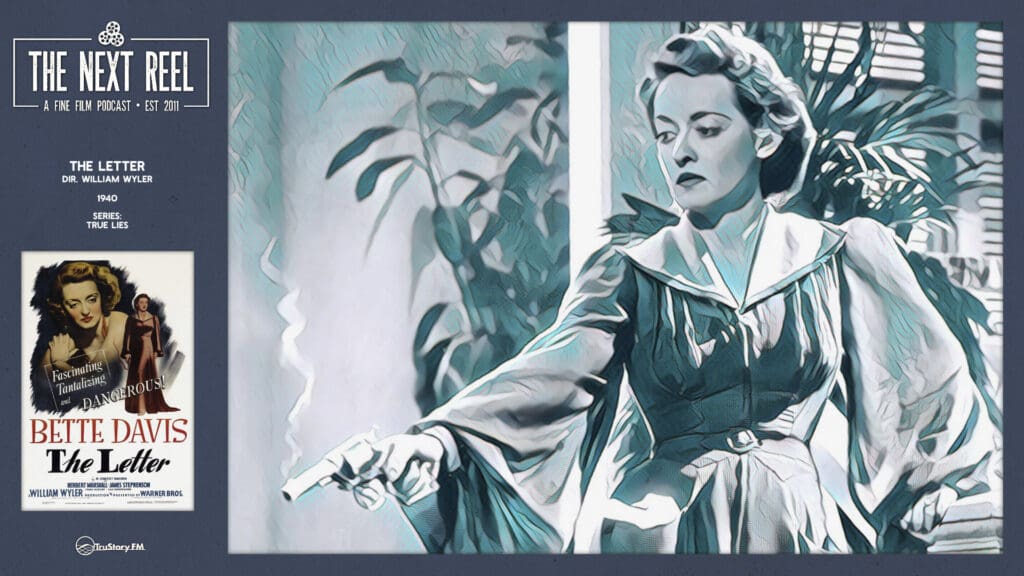
A gunshot in the dark can set a whole world wobbling. The Letter (1940), directed by William Wyler and starring Bette Davis, Herbert Marshall, James Stephenson, and Gale Sondergaard, plays as a crime drama with noir-adjacent shadows and moral pressure. The story’s long trip from W. Somerset Maugham source material to the screen—and the squeeze of the Hays Code—hangs over every choice the film makes. Set inside a colonial social order where privilege decides who gets believed, a contested account of a shooting kicks off a tense chain of legal maneuvering. Then a single letter becomes leverage, and the stakes turn from public story to private damage control. Join us—Pete Wright and Andy Nelson—as we continue our Bette Davis series for a one-off return with a conversation about The Letter.
Why The Letter Still Hooks
This conversation starts with the film’s immediate, high-tension opening and the way it locks in mood before anyone can catch their breath. From there, the focus shifts to how the movie handles information—what it shows, what it tells, and how that shapes suspicion.
Craft That Feels Like Film Noir
Wyler’s staging and the black-and-white photography become a major part of the appeal here: screens, lines, contrast, and moonlit interiors doing emotional work. The episode digs into how the movie’s look can feel timeless even when some choices around storytelling feel very “of its era.”
A Lawyer Under Pressure
The most compelling human engine, for both Pete and Andy, is the attorney’s ethical dilemma once the letter enters the picture. It’s less about courtroom fireworks and more about what it costs to “solve” a problem when the solution itself is morally corrosive.
What The Movie Gets Wrong (And Can’t Escape)
The hosts also confront the film’s racist depictions and the colonial hierarchy baked into the setting. Casting and representation—especially around Mrs. Hammond—are treated as central friction points, not side notes.
Key Discussion Points
- How The Letter fits into their Bette Davis series—and why it had a strong pull as a noir-adjacent pick
- The opening sequence as a tone-setter: tension, restraint, and immediate stakes
- Exposition-heavy early storytelling and why it can feel dated
- The “copy vs. original” letter mechanic as a period-specific suspense tool
- Blackmail pressure and evidence control as the plot device that tightens the screws
- Colonial privilege on display: who gets comfort, access, and belief
- Chinatown setpiece(s) as mood-forward filmmaking and power staging
- Representation problems: racist stereotypes and “yellowface” casting concerns
- Comparing broad structural choices to the 1929 version
Pete and Andy land on a movie with real pull: gorgeous craft, sharp tension devices, and an ethical dilemma that still bites. The listen is especially for anyone curious how a classic can be both gripping and deeply compromised at the same time.
We have a great time talking about it, so check it out then tune in. The Next Reel—when the movie ends, our conversation begins!
🎬 Watch & Discover
- 🎥 See Our Full Conversation on YouTube
- 🍿 Watch the Film: Apple TV | Amazon | Letterboxd
- 📽️ Original Theatrical Trailer
- 📚 Adapted from the play and the short story The Letter by W. Somerset Maugham
📣 If You Liked This, Try…
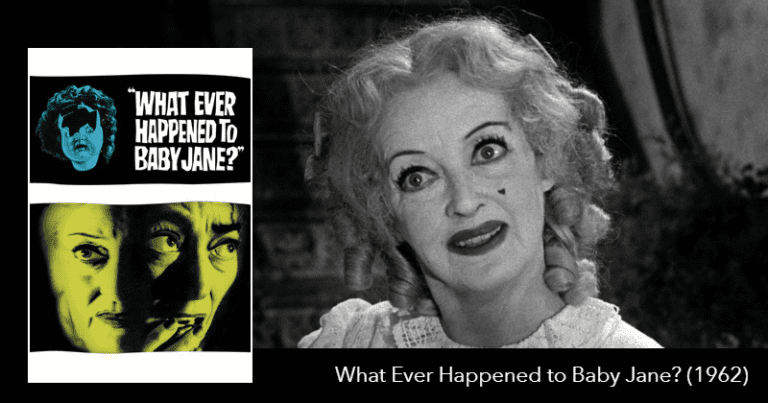
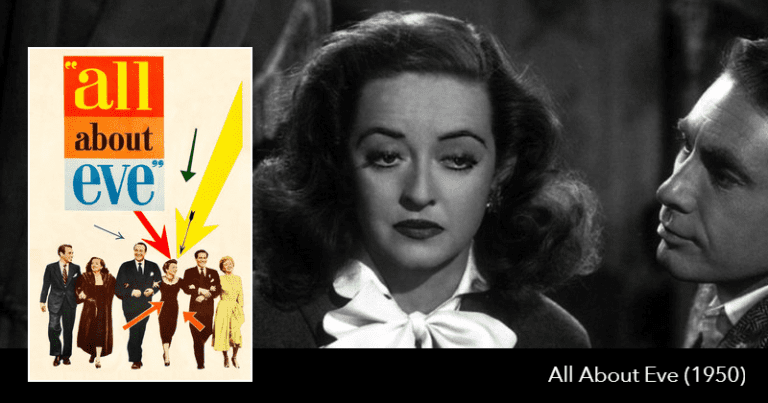
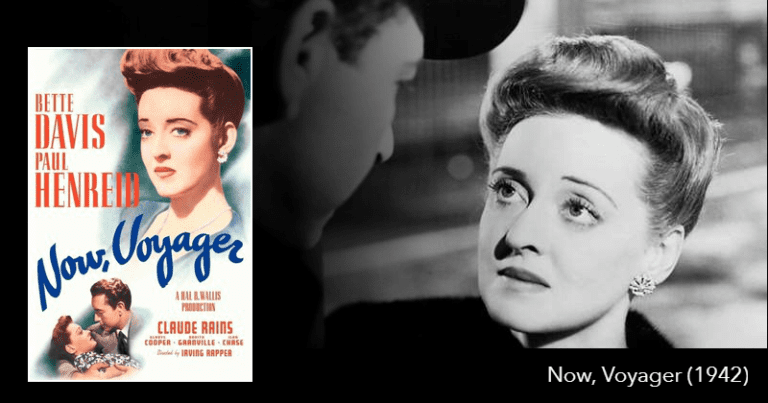
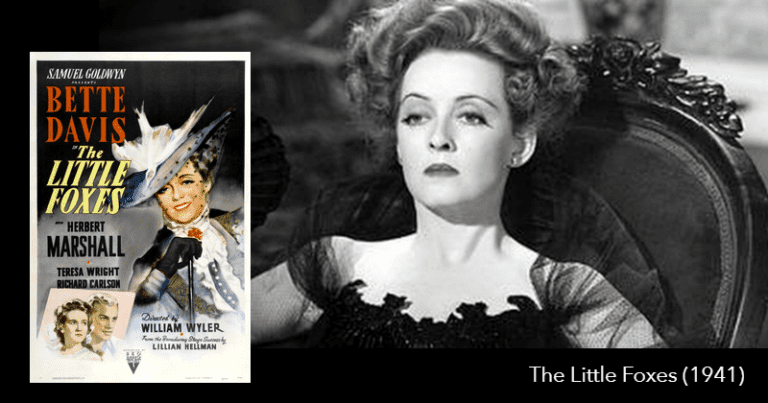
- Our Bette Davis Series (The Little Foxes; Now, Voyager; All About Eve; What Ever Happened to Baby Jane?)
- Dark Victory (1940 Academy Award Best Picture Nominees series)
- Our Platinum Performances: The 1950 Best Actress Oscar Race series (All About Eve, Born Yesterday, Caged, Sunset Blvd.)
- William Wyler (The Little Foxes, Funny Girl, The Best Years of Our Lives, Wuthering Heights)
- Our Film Noir series (Double Indemnity, Detour, Scarlet Street, Out of the Past, Ace in the Hole, Touch of Evil, The Big Heat – member bonus, Night and the City, Repeat Performance – member bonus)